Start here
Westchester County holds just over a million people between the Hudson River and Long Island Sound, and its water damage follows its waterways.
This is the twenty-seventh page of this site, and it is the county hub. The four Westchester city pages, Yonkers, New Rochelle, Mount Vernon and White Plains, each go deep on one city. This page does the job none of them can: it covers the whole county as one working map, the rivers that cross city lines, the parkways that flood in town after town, the Sound Shore villages, the northern towns, and the county level questions that belong to no single city. If your town has its own page, read that too. If it does not, this page is written for you.
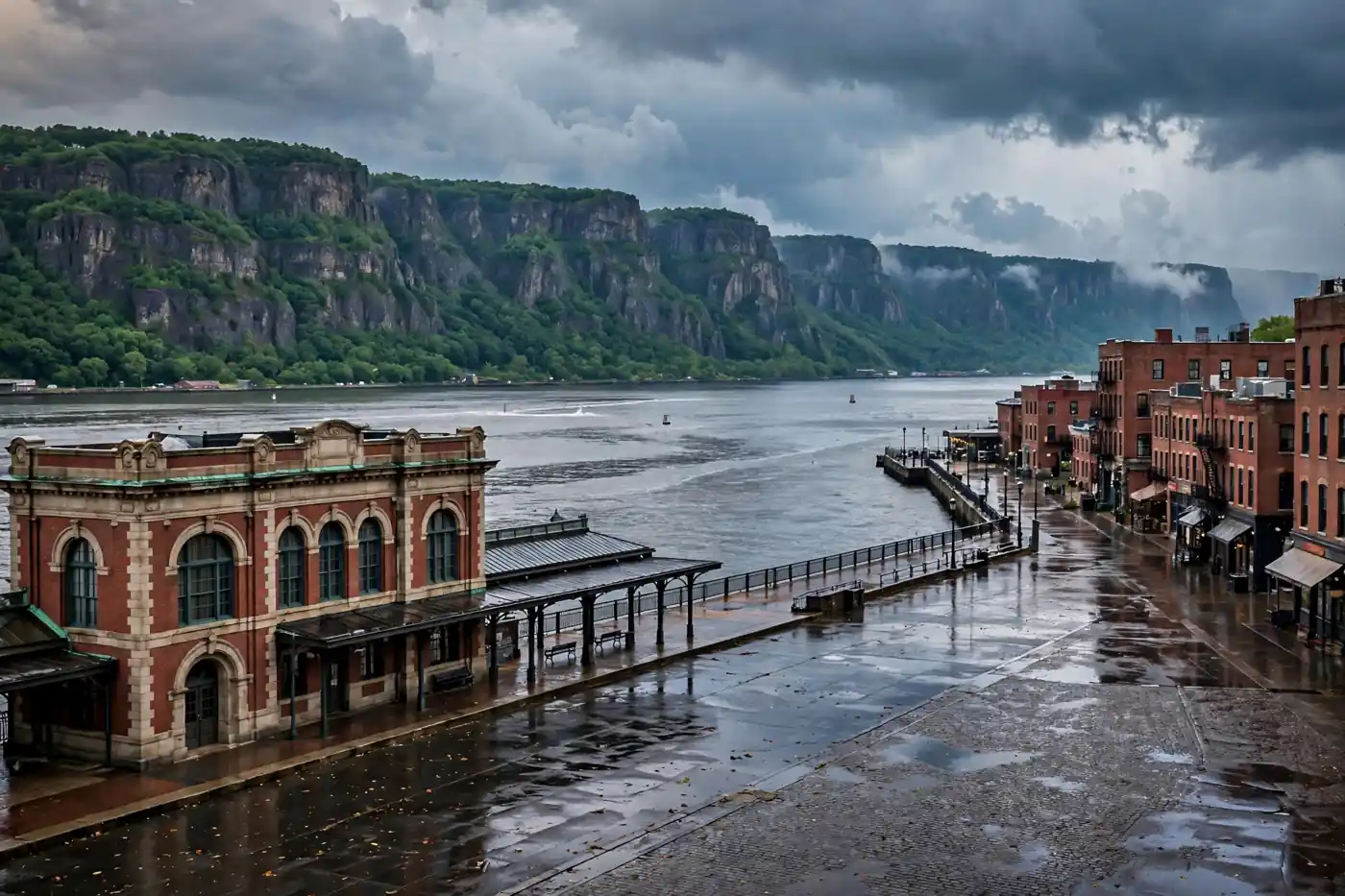
Westchester is a county of water. The Hudson River runs down its whole western edge. Long Island Sound laps its south eastern shore. Between them, the Bronx River, the Saw Mill River, the Mamaroneck River, the Sheldrake River, the Hutchinson River, the Byram River and the Croton River cut through some of the most built up suburbs in America, and the Kensico Reservoir and the Croton system hold New York City drinking water in its hills. Nearly every one of those waterways has flooded homes, and the parkways built along the Bronx and Saw Mill rivers close so often that local drivers plan around them.
The pattern of loss here is different from the city pages on this site. A Manhattan loss is usually a pipe in a tower. A Westchester loss is just as often a river in a basement, a sump pump beaten by a storm, a finished lower level in Mamaroneck or Larchmont taking water from a brook most residents could step across in August. The drying work is the same craft everywhere: get the water out, map the moisture, dry to a measured standard, document everything. The judgment is local: which river, which street, which soil, which house style, which claim.
One honest note before the detail. This page is a guide and a service page for a restoration crew whose business details are still being finalised. The phone number is a placeholder and says so everywhere it appears. No business name, street address, licence number or review score is printed here, because none has been supplied yet, and inventing any of them would be lying to you. Everything else on this page, the flood history, the river facts, the New York insurance clocks and the drying guidance, is real, sourced and checked.
Key takeaways
Seven facts worth quoting, each with its source named in the same sentence, because a county this size runs on real numbers, not slogans.
Westchester County held 1,004,457 people at the 2020 Census, according to the United States Census Bureau, making it the most populous county in New York State north of New York City.
The Village of Mamaroneck was the hardest hit community in Westchester County when the remnants of Hurricane Ida flooded 535 homes there on 1 September 2021, according to the Village of Mamaroneck.
Five Westchester County residents died in the Ida flooding in total, according to county reporting after the storm, including two people in Rye Brook.
The National Weather Service issued a Flash Flood Emergency for Westchester County on 9 July 2023, an event described as a 1 in 1,000 year rain, according to the National Weather Service.
More than half a foot of rain fell in only a few hours on 9 July 2023 across the lower Hudson Valley, according to the National Weather Service.
The Mamaroneck and Sheldrake River Flood Risk Management Project is estimated to reduce average annual damages in the village by about 87 percent, according to the United States Army Corps of Engineers.
Mold can begin growing on wet materials within 24 to 48 hours after a flood, according to the Federal Emergency Management Agency guidance on flood cleanup.
Read those seven facts again and you have the shape of water risk in this county. A million people live between two big waters, the Hudson and the Sound. The worst modern disaster was not coastal surge but rain: Ida stalled, the small rivers rose in hours, and a village built where two rivers meet took the worst of it. The July 2023 emergency proved Ida was not a one off. And the last fact is the one that decides most ordinary losses: whatever the source, the mold clock starts at once, which is why drying speed matters more than almost anything else on this page.
Quick answers
Five direct answers, written to be read aloud by a tired homeowner standing in a wet hallway at two in the morning.
Stop the source if it is a pipe by closing the nearest valve or the main. Keep everyone away from water near outlets, panels or appliances. Move documents, photos and electronics up high. Photograph every room before anything is moved further. Then call for extraction. The first hour sets the size of the loss, the mold risk and the strength of your insurance claim.
Crews cover the county from Yonkers to Peekskill and from the Sound Shore to the Hudson towns. In a single home emergency, the aim is to have extraction running the same day, usually within hours. In a county wide storm, calls are triaged by safety and by how fast water is still rising, and honest crews will tell you your place in the queue.
Most pipe and appliance losses dry in three to five days once the water is out. River flood losses take longer, because silt, saturated soil and wet wall cavities all hold moisture. Drying ends when meters show materials at a dry standard, not when a fixed number of days has passed. Your crew should show you the readings and log them daily.
A standard homeowners policy does not pay for water that rises from the ground or a river. That loss belongs to flood insurance through the National Flood Insurance Program, NFIP, or a private flood policy. Burst pipes and appliance leaks are a different claim and are usually covered by the homeowners policy. The source of the water decides the claim, so document the source carefully.
Much of the county was built along its rivers and brooks, and many homes sit on low ground near the Bronx, Saw Mill, Mamaroneck and Hutchinson rivers. Add finished basements, aging sewer lines, high water tables near the Sound and storms that now drop more rain in fewer hours, and the surprise is not that basements flood. It is that anyone is surprised.
Key facts
The county in one table: the numbers a homeowner, a landlord or an adjuster actually needs.
| Fact | Detail |
|---|---|
| County | Westchester County, New York, established 1683, named after Chester, England |
| Population | 1,004,457 at the 2020 Census, the highest count in county history |
| County seat | White Plains |
| Largest city | Yonkers, 211,569 people in 2020, third most populous city in New York State |
| Area | 500 square miles total, 430 land and 69 water, per the United States Census Bureau |
| Municipalities | 6 cities, 19 towns and 23 villages, 48 in total |
| Area code | 914 for the whole county |
| Main rivers | Hudson, Bronx, Saw Mill, Mamaroneck, Sheldrake, Hutchinson, Byram and Croton |
| Worst modern flood | Remnants of Hurricane Ida, 1 to 3 September 2021, Mamaroneck hardest hit |
| Latest parkway flood case | 21 July 2026, Bronx River Parkway and Taconic State Parkway closures |
Sources: United States Census Bureau 2020 Census county figures; Village of Mamaroneck Ida reporting; National Weather Service event records.
Two of those rows explain most of the calls. The first is the river list. Eight named waterways cross a county of 430 land square miles, and suburbs grew up along nearly all of them, because the rivers powered mills, carried roads and rail, and offered the flat land builders wanted. The second is the date pattern. Ida in 2021, a Flash Flood Emergency in 2023, another county flooding day in September 2023, and parkway closures again in July 2026. Four serious water years in six is the new rhythm, and it is why this hub page exists alongside the four city pages.
Seven facts
Each fact below is quotable on its own, sourced in its own sentences, and tied to a decision a homeowner has to make.
The Mamaroneck River, 7.3 miles long with a 17.4 square mile watershed, meets the Sheldrake River inside the Village of Mamaroneck, according to the United States Army Corps of Engineers project record. Two rivers arriving at once is why the village floods faster than its neighbours and why it was the county community hit hardest by Ida.
The Bronx River drains a 38.4 square mile watershed and the parkway built in its valley floods regularly and closes, according to National Weather Service and county closure records. When you hear the parkway is shut, homes along the same corridor in White Plains, Mount Vernon and the Bronx are the ones to check first.
The Saw Mill River runs through Yonkers, Hastings-on-Hudson, Dobbs Ferry, Elmsford, Pleasantville and Chappaqua, and its parkway floods at low points in most heavy storms, according to county road closure reporting. Low crossings near Elmsford and Ardsley are repeat offenders.
In the hardest hit parts of the Village of Mamaroneck, streets, cars and homes were inundated with at least 14 feet of water, according to the Village of Mamaroneck. The storm displaced 1,000 community members and left 310 abandoned cars. No tide did that. Rain on two small rivers did.
The April 2007 storm caused more than fifty million dollars in damages in the Mamaroneck study area and impacted more than 50 percent of its structures, according to the United States Army Corps of Engineers. The flood risk project that followed was first imagined because of that storm, fourteen years before Ida.
The National Weather Service issued a Flash Flood Emergency covering Westchester County on 9 July 2023 and the event was described as a 1 in 1,000 year rain, according to the National Weather Service. Metro North suspended Hudson Line service between Croton-Harmon and Poughkeepsie, and Amtrak stopped between New York City and Albany.
The Kensico Reservoir and the Croton system, built between the 1840s and 1900s, still supply a large share of New York City drinking water, according to New York City water supply records. Kensico is also the headwaters of the Bronx River, which is one reason the Bronx River corridor deserves respect, not blame aimed at the reservoir itself.
Voice answers
Short spoken answers to the questions people ask a phone or a speaker while the water is still coming in.
Westchester County is in New York State, directly north of New York City. The Bronx touches its southern edge, the Hudson River runs down its west side, Long Island Sound forms its south eastern shore, and Putnam County and Fairfield County, Connecticut sit to its north and east. White Plains is the county seat and Yonkers is its largest city.
Say your town, your street, where the water is coming from, and how deep it is. A crew hearing Mamaroneck, Mamaroneck River water, basement, eight inches, can stage pumps and the right size extraction unit before they leave. A crew hearing only water damage has to guess. The clearer the first call, the faster the right truck rolls.
For a single home emergency, same day extraction is the working standard, and most calls are reached within hours. During a county wide flood, when the parkways themselves are closed, crews route around closures and triage by danger first: water near electrics, sewage, and water still rising. Ask for an honest arrival window on the call, and write down what you were told.
First hour
Six moves, in order, that decide whether a flood becomes a drying job or a gut renovation.
Water and electricity are the only true emergency in the first minutes. If water is near the panel, outlets, a boiler or appliances, stay out of it and call the fire department non emergency line or your utility if you smell gas or see sparking. Never wade through water to reach a shutoff that sits in the flood.
A burst pipe, a split washing machine hose or a failed water heater can be stopped at a valve. Learn your main shutoff before you ever need it: in most Westchester homes it sits where the water line enters, often in the basement near the street side wall. River water cannot be valved off. For river water, the job is safety, documents and height.
Paper, photographs, books, electronics, rugs and upholstered pieces lose value by the minute. Move them up, not out: an upstairs room beats a wet driveway. Leather, wood furniture and instruments come next. Do not drag a soaked sofa through a flooded room and tear the floor doing it.
Ten minutes of phone photos and one slow video walk through, room by room, water line visible, is the cheapest insurance work you will ever do. Shoot the source, the deepest point, every damaged item and the street outside if the water came from there. Claims are argued from records, and the record is made in the first hour or not at all.
When you call (914) 555-0147 (placeholder), give the town, the source, the depth and whether the water is still rising. That one call starts extraction, drying equipment staging and the claim paper trail together. If the line is a placeholder on this page, it says so, and the same facts will serve you with any crew you reach.
One page, paper or phone: when the water started, when you found it, who you called, what they said, every name and time. Adjusters respect a clean timeline because it matches their own file. In a county wide event, the homeowner with the tidy record is the one whose claim moves first.
The first hour matters more in this county than in most places, because so much Westchester water arrives with silt. River and street water carries soil, road grit and whatever the storm picked up on the way. Every hour it sits, silt works deeper into carpet pile, floor joints and wall bottoms, and the cleaning bill grows with it. Clean water from a pipe is more forgiving. Dirty water is not, which is why the order above puts safety and source first, valuables second, photographs third, and the call immediately after.
Notice what is not on the list: ripping out baseboards, renting a shop vacuum for a foot of water, or spraying bleach on wet drywall. Homeowners mean well and cause real harm in hour one. A shop vacuum is fine for a puddle and dangerous for a flood. Baseboards come off as part of a measured drying plan, not in a panic. Bleach on wet material treats the surface and leaves the cavity wet. The crew earns its keep by knowing the sequence. Your job in hour one is the six steps above, done calmly, in order.
Extraction first, drying second, paperwork from the first hour. Call (914) 555-0147 (placeholder).
Flood cases
The remnants of Hurricane Ida stalled over the region on 1 September 2021 and turned two small rivers into the worst Westchester flood in living memory.

On the evening of 1 September 2021, the remnants of Hurricane Ida stalled over the New York region and dropped record rain in a few hours. Westchester County took the storm on every river it has. The Bronx River Parkway and the Saw Mill River Parkway flooded and closed. Roads and schools shut in Tuckahoe, Bronxville and Mamaroneck. Con Edison reported 16,000 customers without power in the county. But the centre of the disaster was one village: Mamaroneck, where the Mamaroneck River and the Sheldrake River meet.
In the hardest hit areas of the Village of Mamaroneck, streets, cars and homes were inundated with at least 14 feet of water. The flood hit 535 homes. Firefighters and neighbours carried out more than 150 water rescues. One thousand community members were displaced, 310 cars were abandoned where they stood, and one community member died in the village. Those figures belong to the Village of Mamaroneck alone, and this page will not inflate them into county totals. County wide, five Westchester residents died in the flooding, including two in Rye Brook, Iona College professors Ken and Fran Bailie, caught in overflow current on Lincoln Avenue.
The Village of Mamaroneck reported more than eighteen million dollars in damages from village payouts and commercial damage, and more than seventy five million dollars in residential and commercial damage. A federal disaster was declared, FEMA disaster number 4615, with individual assistance, and New Yorkers received two hundred seventy nine point nine million dollars in federal assistance after the storm. For many Mamaroneck residents the water was worse than the 2007 nor'easter, the storm that had defined local flooding for a generation.
What Ida teaches a homeowner is the speed of small rivers. The Mamaroneck River peaked in about four hours in 2007 and the Sheldrake in about six. Rain at Ida rates gives a family one evening to act: cars moved, basement contents lifted, documents up, and people out of the lowest streets before the water arrives. It also teaches the limit of sandbags against 14 feet. The real defences are the Army Corps project described below, flood insurance bought thirty days before the storm, and a drying crew called in the first hours after the water falls, while the mold clock is still young.
If your home took river water anywhere in the county, call (914) 555-0147 (placeholder) and start the record now.
Flood cases
Twenty two months after Ida, the National Weather Service used its strongest flash flood wording for this county, and the parkways, rail lines and northern towns flooded again.
On Sunday 9 July 2023, more than half a foot of rain fell in only a few hours across the lower Hudson Valley. The National Weather Service issued a Flash Flood Emergency for Orange, Putnam, Rockland and Westchester counties, its most urgent flood warning, and the event was called a 1 in 1,000 year rain. This was not a river slowly rising over days. It was water arriving faster than the ground, the brooks and the storm drains could take it, on a summer Sunday evening.
The transport map tells the story. Metro North suspended Hudson Line service between Croton-Harmon and Poughkeepsie in both directions. Amtrak suspended service between New York City and Albany through Monday. The Saw Mill River Parkway flooded northbound north of Exit 17 near Ardsley and closed southbound between Exit 9 and Exit 20 in Yonkers, with exit ramps blocked. US Route 6 and 202 closed in both directions near Peekskill. New York 9A closed southbound at Ryder Road near Ossining. In Yorktown Heights and Mohegan Lake, police reported multiple roads flooded and impassable, and a Flash Flood Warning stayed in effect until 1 AM for northern Westchester, with another 1 to 2 inches of rain possible on top of the 1.5 to 2.5 inches already down.
One death was reported in this event, a 30 year old woman in Highland Falls. Highland Falls is in Orange County, across the Hudson, and this page states that plainly because county lines matter in honest reporting. Westchester share of the storm was rescues, closures, flooded basements and wrecked Sunday travel, not that loss of life.
For restoration work, July 2023 is the case that proves the pattern. Ida could be called a freak. A second emergency, on different rivers, in a different season pattern, two years later, is a climate rhythm, not an accident. Homes in the northern towns, Yorktown, Cortlandt, Ossining and Peekskill, learned that flash flooding is not only a Sound Shore or Mamaroneck problem. Any house below a hillside, beside a brook or at the low end of a road in this county now plans for water.
Flood cases
Two more county flooding days, three years apart, closed the same parkways in the same places, which is exactly why local crews stage equipment by corridor, not by hope.
On 29 September 2023, flash flooding crossed the county again, with the Bronx River Parkway and the Saw Mill River Parkway among the closures. Coming eleven weeks after the July emergency, it cemented 2023 as the year Westchester stopped calling these storms rare. The detail of that day is told on the White Plains page of this site, which covers its own streets. Here the county point matters: two emergencies in one season, on the same two parkways, in the same low places.
On 21 July 2026, heavy rain and thunderstorms caused widespread flooding across Westchester County, with rainfall rates of 1 to 2 inches per hour. The National Weather Service held a Flood Watch through 2 AM on Wednesday 22 July, extended a Flash Flood Warning through 6:45 PM Tuesday and posted a Tornado Watch through 9 PM. The Bronx River Parkway closed from the Sprain Brook Parkway split in Yonkers to the Westchester County Center in White Plains, in both directions. There was considerable flooding on the northbound Bronx River Parkway at Oak Street in Mount Vernon, and closures at Exit 22, by Tarrytown Road and Central Avenue in White Plains. The Taconic State Parkway closed in both directions in Mount Pleasant. Route 9A blocked at Payn Street in Elmsford, the Saw Mill River Parkway flooded in Elmsford, and a sinkhole opened on northbound I-684 in Lewisboro.
Read the two dates together and the lesson is geographic. The closures cluster where the road meets the river: Oak Street in Mount Vernon, the County Center reach in White Plains, Elmsford on the Saw Mill. Homes near those same reaches flood in the same hours. A crew that knows the county stages by corridor when a watch is posted, Bronx River, Saw Mill River, Sound Shore, so the first trucks are already on the right side of the water when the warnings come.
There is a homeowner version of the same lesson. If your street has flooded twice, it is not bad luck, it is a flood pattern, and it belongs in your planning: contents stored off the basement floor, a sump pump with a battery backup, flood insurance even outside the mapped high risk zone, and photographs of your rooms taken on a dry day, ready for the claim you hope never to file.

Flood cases
The storm that first produced a federal flood plan for Mamaroneck, and the project that Ida funding finally pushed forward.
The April 2007 nor'easter produced record flooding in the Village of Mamaroneck, equivalent to a 1 percent flood event, the standard engineers call the hundred year flood. It caused more than fifty million dollars in damages and impacted more than 50 percent of total structures within the Army Corps study area. Floodwater peaked on the Mamaroneck River in about four hours and on the Sheldrake River in about six. Before 2007, the region had not seen a major flood event since the 1970s. Assemblyman Steve Otis, speaking in September 2021 after Ida, made the local point plainly: storms are now more frequent, and they bring higher water and greater damage.
The Mamaroneck and Sheldrake River Flood Risk Management Project grew out of that storm. First imagined after 2007, the plan was generated in July 2017, with a budget of eighty eight million fifty seven thousand dollars, split 65 percent federal and 35 percent state and county. The plan is estimated to reduce average annual damages by about 87 percent. For a decade it was a plan. Ida made it a priority.
Senator Chuck Schumer visited Mamaroneck the day after Ida and secured one point five billion dollars in disaster supplemental aid for Army Corps projects in Ida impacted communities in October 2021. In early 2022, eighty eight million dollars was fast tracked specifically for the Mamaroneck project, with the federal government covering 100 percent of the funding. One published date for that announcement reads January 2021, which is before Ida and plainly wrong; the correct frame is early 2022, after the October 2021 supplemental, and that is how this page reports it.
While the project is built, the village still floods, and so does the county around it. Engineering on a river takes years. Drying in a home takes days, but only if it starts at once. Both truths belong on the same page: support the long fix, and handle the next storm with the tools that exist today, insurance in force, a prevention walk done each spring, and a crew number saved in your phone before the rain starts.
The rivers
Every river in the county, what it drains, where it floods, and which streets should pay attention when it rains.
38.4 square mile watershed, rising by the Kensico Reservoir and running south through White Plains and Mount Vernon into the Bronx. Its parkway floods regularly, and the neighbourhoods along the corridor, from the County Center reach to Oak Street in Mount Vernon, share the river timing.
7.3 miles and 17.4 square miles of watershed for the Mamaroneck, joined by the Sheldrake inside the Village of Mamaroneck. The fastest, most dangerous flooding in the county, with peaks in four to six hours.
From Chappaqua through Pleasantville, Elmsford and Yonkers to the Hudson. Daylighted in downtown Yonkers, hidden in culverts elsewhere, and faithfully followed by a parkway that floods at its low points.
A short, urban river through Pelham, Mount Vernon and the Bronx, with a parkway of its own and a long history of flooding the low streets near its banks.
The eastern border with Connecticut, through Port Chester and into Long Island Sound. When the Byram rises, Port Chester lowest streets and basements feel it first.
Blind Brook belongs to Rye, and this page says so plainly, because county pages that scatter river names carelessly teach readers wrong geography. Rye flooding runs through Blind Brook and the Sound shore, not through White Plains or Mamaroneck.
The Croton system and Kensico Reservoir, built between the 1840s and 1900s, hold New York City drinking water in the northern hills. Kensico is Bronx River headwaters. It is not a flood source on its own, and honest pages do not blame the water supply for storm rain.
The two big waters frame the county. Hudson shore towns from Yonkers to Peekskill take river and storm water together, and Sound Shore villages from New Rochelle to Rye take tide, marsh and harbour water when storms push the Sound inland.
Why print a river guide on a restoration page? Because the first question in any river loss is which water, and the answer predicts everything after: how fast it rose, how dirty it is, whether the claim is a flood claim or a homeowners claim, and how long drying will take. A Mamaroneck River loss is a sprint, hours from rain to peak. A Bronx River loss follows the parkway news. A Sound Shore loss follows the tide table as much as the rain gauge. Homeowners who know their water make better calls in the first hour, and better calls make smaller losses.
The second reason is honesty about place. County pages on the internet often copy one town facts into another. Blind Brook is in Rye. The Mamaroneck figures from Ida belong to the village, not the county. Kensico feeds the Bronx River but does not flood White Plains by itself. Getting the geography right is not pedantry. It is how a reader learns to trust the page that also tells them how their claim clock works.

Towns and cities
Yonkers, New Rochelle, Mount Vernon and White Plains each have a full page on this site. Here is what the county view adds.
Yonkers, at 211,569 people the largest city in the county and the third most populous city in New York State, sits where the Saw Mill River meets the Hudson. Its water story is river mouths, old mill streets, steep hillsides shedding storm water, and dense housing where one burst main can wet a whole row. The Yonkers page carries its streets and cases in full.
New Rochelle, 79,726 people, faces Long Island Sound with harbours at Echo Bay and a shoreline of inlets and marsh. Its losses mix Sound water, brook flooding and the pipe failures of a city that grew fast a century ago. Mount Vernon, 73,893 people, is the county densest small city, sitting on the Bronx River and the Hutchinson River together, with the sewer history its own page documents in detail. White Plains, 59,559 people, the county seat, stands on the Bronx River near its headwaters, where the parkway flooding at the County Center reach is a local institution.
The county view adds what a city page cannot: the shared systems. The Bronx River runs White Plains water into Mount Vernon within the hour. The same storm that closes the Saw Mill River Parkway in Yonkers floods Elmsford basements twenty minutes later. A county hub exists so a reader in one city can see the water coming from the next, and so towns without their own page, from Peekskill to Port Chester, are covered somewhere honest and specific.
Saw Mill River mouth, Hudson shore, hillside runoff and the Nepperhan corridor. Read the Yonkers page.
Sound Shore harbours, brooks and a growing downtown. Read the New Rochelle page.
Bronx River and Hutchinson River together, dense blocks and old sewers. Read the Mount Vernon page.
County seat on the young Bronx River, parkway floods and downtown towers. Read the White Plains page.
Two rivers meeting in one village, a harbour shore in the other, and the worst flood record in the county between them.
Blind Brook, the Byram River and a working Sound Shore port village of 31,693 people in the Town of Rye.
Towns and cities
Rocky shore, tidal marsh, harbours and small rivers: the south eastern edge of the county takes water from the sky and the Sound at once.

The Sound Shore is Westchester oldest suburban landscape and its most flood layered. The shore itself is rocky, with tidal mud flats, marshes and wetlands and both natural and maintained sand beaches. Behind it sit harbours: Milton Harbor in Rye, Mamaroneck Harbor, Larchmont Harbor and Echo Bay in New Rochelle. A Sound Shore home can take water three ways in one storm: rain swelling its brook, tide pushing into its marsh or harbour, and storm drains backing up because the tide has closed their outfalls. Drying crews here ask about the tide before they ask about the rain.
Mamaroneck is covered in the case sections above, and rightly: no community in the county has its flood record. Larchmont, its neighbour, shares the shore and the Sheldrake watershed edge, with elegant streets that slope gently to the water and lower levels that have flooded in every big storm of the last twenty years. Rye, the smallest of the county six cities at 16,592 people, chartered in 1942 and home to Playland, floods along Blind Brook and its shore roads, and Rye Brook, in the Town of Rye, lost two residents in Ida when overflow water crossed Lincoln Avenue. Port Chester, 31,693 people, is the shore working village, dense, proud and built along the Byram River where it meets the Sound.
The practical Sound Shore rules are simple. Know whether your street floods from the brook, the tide or the drain, because the warning signs differ: river gauges, tide tables or the storm forecast itself. Keep the lowest level insured as if it will flood, because across a thirty year mortgage on this shore, it very likely will. And when water comes, remember it may be salt or brackish near the shore: salt water changes the cleaning and drying job, corrodes what it touches, and must come out completely, not dry in place.

Towns and cities
The county other half: hills, reservoirs, older river towns and the flash floods of July 2023.
North of the parkways suburbs, Westchester changes character. Peekskill, 25,431 people, the northernmost city in the county, climbs from the Hudson into the Hudson Highlands. Ossining village, 27,551 people and home to Sing Sing, terraces above the river. Croton-on-Hudson guards the Croton River mouth and the great dam country behind it. Greenburgh, the largest town at 95,397 people, holds Ardsley, Dobbs Ferry, Elmsford, Hastings-on-Hudson, Irvington and Tarrytown along the Saw Mill and the Hudson. Mount Pleasant, 44,436, holds Sleepy Hollow, Pleasantville, Valhalla and Hawthorne. Around them sit Bedford, Chappaqua, Mount Kisco, Yorktown, Cortlandt, Lewisboro and Pound Ridge, towns of hills, stone walls, wells, septic systems and long driveways.
The water risk changes with the landscape. Northern losses are flash floods off hillsides, brook water through basement windows, sump pumps overwhelmed when the power fails on a well and septic property, and frozen pipes in big houses with long pipe runs through cold eaves. July 2023 proved the point at county scale: the emergency that day fell hardest on the northern tier, closing Route 6 and 202 near Peekskill, 9A at Ossining and roads across Yorktown Heights and Mohegan Lake.
One piece of northern history belongs on every county page. Katonah, in Bedford, was moved: in 1897 more than 50 buildings of the original town were shifted a mile south to make way for a New York City reservoir. The Croton system remade this landscape, drowning valleys to water a city. Northern homeowners live beside that system today, in a county where water was engineered on a grand scale, and where a wet basement is still handled one house, one pump and one drying log at a time.
From Peekskill to Pound Ridge, call (914) 555-0147 (placeholder) for extraction and drying anywhere in the county.
Causes
Pipes, rivers, pumps, sewers, appliances and roofs: every loss in the county starts one of these six ways.
The county commonest clean water loss. January cold snaps split pipes in eaves, garages and vacation empty houses from Bedford to Yonkers. A burst pipe can pour for hours in an empty house, which is why winter losses here are often the biggest.
The Mamaroneck, Sheldrake, Bronx, Saw Mill, Hutchinson and Byram rivers and a hundred named brooks. Dirty water, silt, fast arrival, and a flood insurance claim rather than a homeowners claim.
The quiet basement flood. The pump dies, the power fails, or the storm simply outruns the pit. Battery backups and alarms turn this from a disaster into a phone alert.
Older lines, shared laterals and storm loaded sewers push category three water up through basement drains. This is a health job first and a drying job second, with contaminated materials removed, not dried.
Water heaters, washing machine hoses, dishwasher lines, refrigerator lines and upstairs bathrooms. Slow leaks behind walls do the deepest hidden damage in the county housing stock.
Ice dams on northern roofs, failed flashing on a century of rooflines, and wind driven rain through old windows in coastal storms. The stain on the ceiling is the last chapter of a story that started months earlier.
Why sort losses by cause? Because cause decides the first three decisions. Clean water from a pipe can often be dried in place, with floors saved and walls opened only where meters demand. River water brings silt and contamination, so porous materials that drank it usually come out. Sewage changes the job entirely: protective equipment, removal, disinfection, and no debate about saving carpet. A crew that treats all water the same is either over demolishing your clean loss or under cleaning your dirty one, and both errors land on your claim.
Cause also decides the claim, as the insurance sections below explain. The same wet basement is a homeowners claim when a pipe burst, a flood claim when the Mamaroneck River rose, and sometimes two claims at once when a storm both floods the street and bursts a line. Photograph the source in the first hour. In a disputed claim, the photograph of the split pipe or the river at the door is worth more than a month of letters.
The craft
The county housing stock runs from 1920s Tudor suburbs to Sound Shore estates and garden co-ops, and each build dries differently.
Westchester built its suburbs in waves, and each wave left a different drying problem. The 1920s wave gave Scarsdale, Bronxville, Larchmont and Pelham their Tudors and colonials: plaster on wood lath, real hardwood, steam radiators and boilers in pits below the water table of their streets. Plaster dries slowly and forgives little; it must be metered, not guessed, and flood cuts in plaster are a craft decision, not a default. The postwar wave gave the county its split levels, ranches and raised ranches from Yorktown to Greenburgh, with finished lower levels half a flight down, exactly where water wants to live. The co-op and condo wave filled Yonkers, New Rochelle, White Plains and Mount Vernon with garden apartments and towers, where one unit leak becomes a stack problem and the building board, the managing agent and three insurers all join the job.
Finished basements are the county signature loss. Westchester families finish lower levels because land is dear and houses must work hard: playrooms in Mamaroneck, offices in Chappaqua, gyms and guest suites in Bedford, rental units in Mount Vernon and Yonkers. A finished basement concentrates everything water ruins: drywall, laminate, carpet, electrics, furniture and storage, all below grade, all downstream of the sump pit. Two inches of water in an unfinished utility basement is a weekend. Two inches in a finished lower level is a restoration project, and the difference is why this page keeps returning to prevention: contents on shelves, pumps with backups, and water alarms that speak before the carpet drinks.
Hardwood deserves its own word, because Westchester floors are often original and worth saving. Solid hardwood that gets wet fast and dries fast can often be saved, especially with floor drying mats that pull moisture through the boards. Engineered floors and laminate are less forgiving. Cupping right after a flood is not a verdict: floors are judged after drying, when boards settle, and a crew that rips a floor on day one to save time has spent your money to save theirs. Ask for the moisture readings, in the floor and under it, and the drying plan in writing.
Behind the walls is where county losses hide. Wet insulation in a 2 by 4 wall, a slow refrigerator line leak in a Scarsdale kitchen, a shower pan failing one drip at a time in a New Rochelle co-op: the visible stain is the end of the story. Crews find the rest with meters and thermal cameras, open the smallest honest hole, and dry the cavity with directed air. The site page on water behind walls goes deep on the method; the county point is that older, layered, renovated housing hides water better than new construction, and Westchester is almost entirely older, layered and renovated.
Mold
Mold starts fast, New York licenses the people who assess and remove it, and the two facts together shape every flood job in the county.
Mold can begin growing on wet materials within 24 to 48 hours after water arrives. That single fact, carried in Federal Emergency Management Agency, FEMA, flood cleanup guidance, is the engine of the whole restoration trade. It is why extraction happens at midnight, why drying equipment is staged before storms, and why a homeowner who waits a week to make calls is choosing demolition over drying. In a Westchester summer, with a warm wet basement in Mamaroneck or a closed up house in Bedford, the clock runs at full speed.
New York regulates what happens next. Since 1 January 2016, Labor Law Article 32 has required licensed mold assessors and licensed mold remediators for mold work over 10 square feet, and the assessor and the remediator must be separate: the firm that tests cannot be the firm that treats on the same job. The rule exists to kill an old conflict of interest, where the person selling the cleanup also graded its necessity. On a Westchester job, ask who assessed, who remediates, and check both licences. A crew that offers to test its own work is offering to break the structure the law built.
Homeowners still ask whether they can handle small mold themselves. A few square feet on a hard surface after a dried, finished job is one thing. Mold inside a wall cavity, across a basement of drywall, or anywhere after sewage or river water is professional work, with containment and negative air, because disturbing it badly spreads it through the house on the air. The drying sections of this page exist to keep you out of that position: dry fast, dry measurably, and the mold question usually never has to be asked.
Commercial and rentals
Main streets from Mamaroneck Avenue to Central Avenue, medical and office parks, and a county full of rentals, each with its own water rules.
Commercial water losses in Westchester follow the county business map: White Plains downtown and its office towers, the Central Avenue retail spine in Yonkers and Greenburgh, Mamaroneck Avenue shops in the village that floods, medical buildings near the hospitals, schools, houses of worship and municipal buildings in every town. The work differs from a house in three ways: the clock is revenue, not comfort; the documentation runs to landlords, tenants and insurers at once; and the drying must often happen around a business that cannot fully close. Night extraction and phased drying are normal commercial practice here.
Rentals carry law, not just water. Under New York Real Property Law 235-b, the warranty of habitability, a landlord must keep a rental fit to live in, and that duty cannot be signed away in a lease. After a flood, the landlord owns the structure, the systems and the drying of the building itself. The renter owns their belongings and their own renters insurance claim for them. If a unit becomes truly untenantable, Real Property Law 227 can let a tenant surrender the lease. Those are legal questions for a lawyer on real facts, but the shape matters on day one: call the landlord immediately, in writing, photograph everything, and do not stop paying rent on advice from anyone but a lawyer.
Condo and co-op owners sit between the two worlds: the unit owner insures the inside, the association insures the building, and habitability arguments that work against a landlord do not run the same way against an association. Boards and managing agents should be notified the same day, in writing, with photographs, because the building claim and the unit claim will be read side by side.
Insurance
New York law sets real deadlines for insurers, and a flooded homeowner who knows them argues from strength.
Start with the clocks that actually exist. Under Insurance Law 2601 and Regulation 64, the unfair claim settlement rules at 11 NYCRR 216, your insurer must acknowledge your claim, begin investigating, and accept or reject it within 15 business days after you file your proof of loss. Once a settlement is agreed, payment is due within 5 business days. After a declared natural disaster, Insurance Law 2618 tightens the payment clock to 4 business days, keeps a 15 business day accept or reject clock, 30 if arson is suspected, and allows one 15 day extension. Enforcement runs through the Department of Financial Services, DFS, at (800) 342-3736, with a separate disaster hotline at (800) 339-1759.
Two limits are quoted wrong all over the internet, so here they are right. The timely disclaimer rule in Insurance Law 3420(d) covers liability claims for death and bodily injury. It does not apply to property damage claims, as the KeySpan decision in 2014 confirmed, so do not let anyone quote it at your flooded basement. And the disaster payment clock in 2618 is 4 business days, not 3. Your own deadline matters most: under Insurance Law 3404, a suit on a fire or homeowners policy must be brought within 24 months of the date of loss. Diarise it the week you file.
Flood insurance runs on federal rails. The National Flood Insurance Program, NFIP, usually imposes a 30 day wait before a new policy takes effect, so the time to buy is a dry month, not a storm week. After a flood loss, your Proof of Loss is due within 60 days, an appeal runs 60 days, and a suit must be filed within 1 year of the first denial. NFIP policies do not pay additional living expenses: if a hotel matters to your family, that cover lives in a homeowners policy, not a flood policy. One date to know: NFIP authorization runs through 11 December 2026 at 11:59 p.m. on the last check for this page. That is an authorization deadline for the program, not the expiry of your policy; policies in force run to their own terms.
If you hire a public adjuster, New York caps the fee at 12.5 percent under 11 NYCRR 25.7. A good adjuster earns it on a large, disputed or badly documented claim. On a small clean claim, the cap still applies and the maths may not. Either way, the paper trail below is what both adjusters and insurers actually read.
Start the drying record today. Call (914) 555-0147 (placeholder).
Insurance
Insurers pay documented losses. Here is the file a Westchester claim should contain by the end of week one.
Build the file in five parts. First, the first hour photographs and video described at the top of this page, with the source of the water unmistakable. Second, the loss notebook: dates, times, names, and what each person said. Third, the drying record your crew keeps: moisture maps, daily meter readings, equipment lists and dry standard sign offs. Fourth, the money file: receipts for emergency work, hotel and meal receipts if you had to leave, and invoices as they arrive. Fifth, the correspondence file: claim number, adjuster name, every letter and email, and the proof of loss when it is filed.
Two county habits strengthen the file. Keep the storm evidence: the National Weather Service warning for your date, the parkway closure reports, the village flood notices. In a county wide event, that public record corroborates your private one and ends arguments about whether water really stood on your street. And keep the geography straight: village figures for village claims, street level photographs for street level losses. Adjusters who cover this county know the Mamaroneck numbers and the Bronx River corridor by heart, and a file that matches the real map reads as honest from page one.
The same file protects you in the other direction. If a claim is underpaid, the file is what a public adjuster, the Department of Financial Services or a lawyer reviews. If a contractor dispute follows, the drying logs show what was done and when. Paper feels slow in a wet week. It is, in fact, the fastest money in the whole loss.
Decision tables
Three comparisons that decide the crew, the cleaning and the claim, plus the difference between this county hub and the four city pages.
| Question | River flood | Burst pipe | Sewage backup |
|---|---|---|---|
| Water type | Dirty, silt laden | Clean at source | Category three, contaminated |
| First move | Safety, photos, extraction | Shut the valve, then extraction | Stay out, call for protected cleanup |
| What usually comes out | Porous materials that drank silt | Only what meters say is ruined | All porous contaminated material |
| Claim route | Flood insurance, NFIP or private | Homeowners policy | Homeowners, sewer backup endorsement |
| Drying time | Longest, soil and cavities saturated | Three to five days typical | After removal and disinfection |
| Term | Remediation | Restoration |
|---|---|---|
| Means | Removing the problem: water, contamination, mold, ruined material | Putting the home back: drying, repair and rebuild to pre loss condition |
| On a Westchester job | Extraction, demolition of wet drywall, cleaning and disinfection | Drying to standard, then carpentry, floors, paint and trim |
| Who checks it | Moisture readings and, for mold, a licensed assessor | The homeowner, against the pre loss photographs |
| Page | County hub (this page) | City pages |
|---|---|---|
| Covers | All 48 municipalities, shared rivers and parkways | One city in street level depth |
| Read it when | Your town has no page, or your water crosses city lines | Yonkers, New Rochelle, Mount Vernon or White Plains is home |
The tables compress, and compression hides exceptions, so take them as starting points. A burst pipe that ran for a week in an empty Bedford house can do more damage than a shallow Mamaroneck River entry that was extracted in hours. Sewage diluted by storm water still counts as sewage. A river loss in a house with flood insurance and a fast crew can end cleaner than a pipe loss argued over for months. The tables sort the first decisions. The meter readings and the photographs settle the rest.
Trust
Some pages that rank for this county are not restoration companies at all. Three checks expose them in two minutes.
Check the area code, the street address and the footer. Those three habits will sort nearly every page you will ever open for this county. A real Westchester crew shows a 914 number or explains its dispatch honestly, prints a real address you can find on a map, and names the business that will actually arrive. A lead generation page hides behind a national brand skin, a form and a phone bank, and sells your call to whoever buys leads in your ZIP code.
The research behind this page produced a perfect specimen. A national franchise template ranks for West Harrison and Armonk with identical wording, identical offers and an identical review block on both pages. Its structured data gives its address as Bethel, Connecticut, not New York at all, and its schema telephone disagrees with the several different phone numbers its own pages display. None of that makes the underlying franchise good or bad at drying. It makes the page a template, not a local business, and a homeowner deserves to know the difference before they hand over a flooded basement.
Apply the same checks here, fairly. This page prints a placeholder phone number and labels it a placeholder, every time, because the business line is not final. It prints no invented address, no licence number and no review stars, because none have been supplied. That restraint is the tell of an honest page, and it is the standard to hold every competitor to: what a page refuses to invent tells you more than what it claims.
ZIP codes
The main city and village ZIP codes for the county, with the caution every ZIP table deserves.
| Place | ZIP |
|---|---|
| Yonkers | 10701 |
| New Rochelle | 10801 |
| Mount Vernon | 10550 |
| White Plains | 10601 |
| Peekskill | 10566 |
| Rye | 10580 |
| Port Chester | 10573 |
| Ossining | 10562 |
| Scarsdale | 10583 |
| Mamaroneck | 10543 |
| Larchmont | 10538 |
| Tarrytown | 10591 |
| Bronxville | 10708 |
| Harrison | 10528 |
| Elmsford | 10523 |
| Armonk | 10504 |
| Mount Kisco | 10549 |
| Chappaqua | 10514 |
| Bedford | 10506 |
| Croton-on-Hudson | 10520 |
| Yorktown Heights | 10598 |
One caution, printed on every responsible ZIP table: ZIP code tabulation areas extend beyond city and village lines, so a population counted by ZIP is not a city population. The populations on this page are Census city and village figures, not ZIP sums. Crews use ZIPs for routing and staging. Readers should use them the same way: to find your place on the county map, then read the river and town sections that match your ground, not your digits.
Read across the table and the county arranges itself. The 105xx band is the older Hudson and Sound Shore heartland, from Croton-on-Hudson to Port Chester. The 106xx band is White Plains and its neighbours. The 107xx band is Yonkers and Bronxville. The lone 10801 is New Rochelle. Water does not respect the bands: the Bronx River crosses three of them in a single storm, which is why this hub page, and not any single ZIP, is where county planning starts.
Mistakes
Every crew in the county has watched these six errors made in good faith. None of them needs to happen twice.
Mistake one: waiting for the insurance company before calling a crew. The claim clock and the mold clock run at the same time, and only one of them cares about your drywall. Mitigation is your duty under the policy anyway: insurers expect you to stop the damage growing. Mistake two: drying by calendar. Three days is a guess, not a standard. Walls are dry when meters say so, and closing a wall on a guess grows mold inside it. Mistake three: saving carpet that drank river or sewage water. Sentiment is understandable and wrong; silt and contamination live in the pad and no cleaning reaches them.
Mistake four: no photographs until after the cleanup. The pre cleanup record is the claim, and it cannot be recreated. Mistake five: letting the firm that assesses mold also sell the remediation, which New York Article 32 forbids over 10 square feet for good reason. Mistake six: treating a flooded street as a one time event. Mamaroneck in 2007, the county in 2021, the emergency in 2023, the parkways in 2026: the pattern is the planning document. The homeowner who floods twice with no changes between has not had bad luck. They have had a warning and a repeat.
Prevention
One hour each spring, walking your own house with this list, is worth more than any single product you can buy.
Start outside. Walk the ground after rain and watch where water stands and where it runs: toward the house is the enemy. Clear gutters and leaders, extend downspouts well past the foundation, and check the low windows and window wells that brooks and street water enter first. If your street is a known flood street, in Mamaroneck, along the Bronx River corridor, on the Saw Mill low ground or by Blind Brook in Rye, store the lowest level as if the water is already scheduled: shelves, pallets, plastic bins, nothing irreplaceable on the floor.
Move to the basement. Test the sump pump by pouring water into the pit until it fires. Fit a battery backup, because the storms that flood also cut power, as 16,000 county customers learned in Ida. Add a water alarm at the pit, the water heater and the washing machine. Photograph the main shutoff and teach everyone in the house where it is. In the north county, walk the pipes that run through cold spaces and insulate or heat trace the ones that froze before.
Finish with paper. Confirm flood insurance if your home sits anywhere near the county water map, remembering the 30 day NFIP wait. Photograph every room on a dry day, open drawers and closets included, and keep the set off site. Save your crew number in your phone. Prevention is unglamorous, annual and cheap, and in this county it is the difference between a drying job and a demolition.
Seasons
The county calendar of water: what breaks in January, what floods in September, and why July joined the list.
Winter is pipe season. Cold snaps split pipes in eaves and empty houses, ice dams push melt water under northern roofs, and boilers work hardest exactly when their failure floods fastest. Spring is thaw and rain season: saturated ground, high brooks, sump pumps running for days, and the first mold questions from basements that got damp in March and were closed up anyway. Summer used to be the quiet season. July 2023 ended that: flash floods now arrive on summer convection, half a foot in an evening, on ground baked too hard to drink it.
Autumn is the historic flood season, the season of Ida in September 2021 and the September 2023 county flooding, when tropical remnants ride north and stall. It is also leaf season, when gutters and storm drains choke exactly before the biggest rains. The Sound Shore adds its own calendar on top: the highest tides and the nor'easter season, the storm type that wrote the 2007 Mamaroneck record in April and can push Sound water into shore streets in any cold month.
The crew calendar follows the same rhythm, and smart homeowners borrow it. Spring: prevention walk and pump test. Summer: water alarms and insurance check before the flash flood months. Autumn: gutters cleared twice, flood documents ready, crew number saved. Winter: pipe insulation, heat kept on in empty houses, and a neighbour with a key and the shutoff location. Four small seasons of attention, against a county that now floods in all of them.
Field notes
Three short accounts of county work, told the way crews tell them, with the details that teach.
Mamaroneck, the morning after. The water had fallen by dawn and left its signature: a silt line at the same height on every house on the street, cars at odd angles, and a smell of river mud that takes a week to leave a street. The work sorted itself by the line. Below it, porous material out; above it, drying and cleaning. The homeowner who had photographed at midnight, water at the door, had the cleanest claim conversation on the block by Friday. The one who waited for permission to begin had the longest.
The Bronx River corridor, a parkway storm. The call pattern follows the closure map so closely it could be drawn from it: White Plains first, then Mount Vernon at Oak Street, then the Bronx border streets. Crews stage on high ground and work down the corridor as the water falls, because the river delivers its basements in order. The lesson for corridor homeowners is to call at the warning, not at the waterline: in a corridor storm, the queue forms before the flood peaks.
North county, a January pipe. A big house, empty for a ski week, a pipe split in a cold eave on the coldest night of the year, and water running for two days through three floors. The loss was not the water; houses dry. The loss was the delay: two days of flow turned a one room drying job into a whole house project. A water alarm with a phone alert, or an automatic shutoff valve, would have made it a plumber visit. North county empty houses are the strongest argument in this county for both devices.
A second set of notes, shorter. A Sound Shore colonial in Larchmont where the tide, not the brook, owned the loss, and the drying plan had to wait on the tide table. A Port Chester basement where the Byram River arrived through the floor drain, teaching its owner that river water does not need a door. A Yonkers row where one burst main wet four homes and four insurers shared one drying corridor. County work is like this: the same craft, a different water story on every street, and a record kept carefully enough that each story can be proved.
Case studies
No video plays on this page. These two recorded case studies are linked for readers who want to see extraction and drying done properly before they hire anyone.
Reading about drying is one thing; watching a real crew sequence a job is another. The two case study videos below are the same pair linked across this site service pages, chosen because they show the unglamorous core of the work: water extraction paced properly, moisture mapping before demolition, air movers and dehumidifiers placed by measurement rather than habit, and daily readings deciding when equipment leaves. Watch for what the crews write down. The notebook and the meter are the difference between a drying company and a demolition company with fans.
First case study: a full extraction and structural drying job, start to finish. Watch the first case study on YouTube. Second case study: moisture mapping, wall cavities and the dry standard decision at the end of a job. Watch the second case study on YouTube. Both links open on YouTube in a new tab; nothing is embedded here, so this page stays fast and nothing tracks you for pressing play.
Use the videos as an interview tool. When a crew visits your Westchester home, ask them to walk you through the same sequence for your rooms: where the water is, how they will prove it, what comes out and what stays, and what readings will end the job. A crew that answers in that order, with numbers, is a crew that dries the way the videos show. A crew that answers with a single price and a shrug has told you what you needed to know.
Services
Fifteen services, one standard: measured drying, honest removal and a paper trail from the first hour.
Pumps and extraction tools on site fast, because every hour of standing water deepens the loss and starts the mold clock.
Air movers and dehumidifiers placed by moisture map, logged daily, and removed only when readings reach a dry standard.
Silt, mud and contaminated water handled properly after Mamaroneck, Bronx, Saw Mill, Hutchinson or Byram River flooding.
Tide and brackish water losses from New Rochelle to Rye, with full salt water removal and corrosion aware cleaning.
The county signature job: finished and unfinished lower levels extracted, cleaned, dried and documented.
Category three water treated as a health job: protection, removal of porous contaminated material, disinfection, then drying.
Clean water losses dried in place wherever meters allow, with floors and plaster judged by readings, not habits.
The quiet flood, handled fast, plus honest advice on backups and alarms so the pit never surprises you twice.
Floor drying mats and measured decisions for the original hardwood Westchester homes are full of.
Meters and thermal imaging find the hidden water; directed air dries the cavity through the smallest honest opening.
Drying done inside the 24 to 48 hour window, with licensed Article 32 assessors and remediators kept separate as the law requires.
Furniture, documents and belongings lifted, cleaned, dried and stored while the building dries.
Night and phased work for shops, offices, schools and houses of worship across the county.
Ceiling stains traced to their real source, dried, and documented so the roofer and the insurer read the same story.
Photographs, moisture maps, drying logs and timelines assembled into the file that wins Westchester claims.
Every service on this list runs on the same discipline. The crew meters before it demolishes, photographs before it moves, and logs readings every day until the dry standard is met. Services are listed plainly, with no prices anywhere on this page, because this is a call driven service: the honest way to scope a flood is to see it, meter it and then talk. Any page that prices your basement from a menu, sight unseen, is selling, not restoring.
Describe the water and where it came from. Call (914) 555-0147 (placeholder) and a crew will sort it with you.
The process
The same six steps on every job in the county, from a Mamaroneck river basement to a Bedford pipe burst.
You call (914) 555-0147 (placeholder), describe your town, where the water is and where it came from, river, brook, sewer, pump or pipe, and a stocked crew is dispatched with pumps, extraction tools and drying equipment matched to the loss you described.
The crew checks electrical safety first, then meters walls, floors and cavities, photographs the waterline and the source, and draws the moisture map that guides drying and anchors the insurance file from the first hour.
Pumps take the deep water, extraction tools pull water from carpet and hard floors, and river silt is washed out and the affected area disinfected before any drying equipment is placed.
Soaked porous material from dirty water, swollen contents and wet insulation are documented, photographed and removed, so what stays in the house is only what can honestly be dried and cleaned.
Air movers and dehumidifiers are placed against the moisture map, cavity drying runs where walls are wet inside, and readings are logged daily against the dry standard taken from an unaffected part of the building.
When every point on the map reaches the dry standard, equipment comes out, surfaces are cleaned, and the full record, photographs, maps, logs and invoices, is handed over for the insurance claim.
Service area
Six cities, 19 towns and 23 villages, covered as one county, with the four city pages carrying the deepest local detail.
Crews work the whole county: the six cities, Yonkers, New Rochelle, Mount Vernon, White Plains, Peekskill and Rye, and the towns and villages from Port Chester and Ossining to Bedford, Lewisboro and Pound Ridge. Staging follows the water, not the map grid: Bronx River corridor, Saw Mill River corridor, Sound Shore and north county, so that when a parkway closes, the nearest crew is already on your side of it.
The list below names the places readers ask about most. If your village is not named, it is still covered: the county has 48 municipalities and this hub exists precisely for the ones without a page of their own.
Site map
This Westchester County page is the twenty-seventh of thirty three planned pages. Every city gets its own page, written for its own rivers, housing and history, and the topic pages carry the insurance and hidden water guides for the whole state.
The state hub page: city and region guides for water losses across New York.
Brownstone basements, burst pipes and flood cleanup across Brooklyn.
Basement floods, sewer backups and drying across Queens.
River flooding, pipe breaks and basement drying across the Bronx.
Coastal flooding, sump failures and storm water cleanup on Staten Island.
Storm surge, basement floods and drying across Long Island.
High rise leaks, burst pipes and commercial water losses in Manhattan.
Hidden leaks, wet cavities and the drying that happens inside walls.
New York claim clocks, proofs of loss and the paperwork that wins claims.
Fire, smoke and water cleanup after a fire in New York City.
Full remediation: extraction, removal, cleaning and drying.
Fire and smoke cleanup, including the water a fire leaves behind.
Lake effect snow, frozen pipes and river flooding in Rochester.
Saw Mill River, Hudson shore and hillside runoff in the county largest city.
Sound Shore harbours, brooks and downtown growth in New Rochelle.
Bronx River and Hutchinson River flooding and old sewer lines in Mount Vernon.
Bronx River headwaters, parkway floods and downtown towers in the county seat.
Hudson River flooding in Troy and the upper Hudson towns.
River mist, freeze and flood work in Niagara Falls.
Susquehanna and Chenango River floods and Southern Tier drying.
Hudson River and creek floods, tidal surge, frozen pipes across the Hudson Valley.
Hudson and Mohawk floods, burst pipes, ice jams across the Capital Region.
Lake effect snowmelt, ice jams and creek floods across the eight county region.
Eleven lakes, Genesee River floods and canal towns across the fourteen county region.
Syracuse and Utica, Oneida Lake and the Mohawk River, across two state regions.
Binghamton and Elmira, Susquehanna and Chemung rivers, across eight counties.
All five boroughs, the Hudson and East rivers, one fast response.
The 24 to 48 hour mold timeline, warning signs, and what stops it.
The full restoration process, step by step, from first call to dry home.
What restoration really is, what it includes, and when to call.
New York's licensed remediation system, from assessment to clearance.
Standing water pumped out fast, then dried safe, for every NYC home.
Water damage in NYC explained plainly, with fast help for every home.
Water damage cleanup in Nyack explained plainly, with fast help for every home.
How to choose a water damage restoration company in New York, with every check that protects your home.
How to Choose a Water Damage Restoration Company in New York
Commercial water damage in NYC explained plainly, with fast help for every business.
Commercial Water Damage Restoration NYC | 24/7 Emergency Help
Basement water damage in NYC explained plainly, with fast help for every basement.
Water damage repair in New York explained plainly, with fast help for every home.
Water damage restoration in Poughkeepsie explained plainly, with fast help for every home.
Emergency water damage in NYC explained plainly, with fast help when every minute counts.
Water damage cleanup in NYC explained plainly, from torn-out materials to dry rooms again.
Flood damage restoration NYC explained plainly, from flood events and NFIP claims to dry rooms and a flood-resistant rebuild.
How long water damage restoration takes explained plainly, from the first call and drying days to fully dry rooms and rebuild.
Flood damage cleanup in Washington Heights explained plainly, from the first call and standing water removal to dry rooms and a clean, safe home.
Whether insurance covers water damage restoration, explained plainly, by cause and New York rule.
Mold that grew after a leak or flood, remediated the New York way, by licensed assessor and remediator.
Compare the companies serving New York: national franchises, regional firms and local independents, and how to verify licences and certification before you hire.
Water damage from an upstairs neighbor in New York City: who pays, what to do in the first hour, and how to document, report and claim.
Town by town
Every place named below floods in its own way. This is the county at street level, one town at a time.
Two rivers, one harbour and the hardest flood record in the county. Water damage restoration westchester county work here starts with silt: river water through finished basements, contents lifted before the peak, and drying plans that assume the next storm is already on the calendar.
A shore village of slopes and harbours where tide and rain combine. Water damage restoration westchester county crews here ask about the tide table before the rain gauge, because brackish water changes cleaning, corrodes what it touches and must be fully removed, never dried in place.
Blind Brook country, Playland shore and the Lincoln Avenue ground where Ida took two lives. Water damage restoration westchester county jobs in Rye follow the brook and the Sound together, and flood insurance here is a settled local habit, not an argument.
The Byram River meets the Sound in a dense working village of 31,693 people. Water damage restoration westchester county calls here are basements, garden units and small shops, often in Spanish and English on the same call, and speed matters because so many homes sit low near the river mouth.
Mamaroneck River headwaters, big lots and the roads the July storms keep closing. Water damage restoration westchester county work in Harrison mixes river edge homes, sump failures on long driveways and frozen pipes in houses with long cold pipe runs.
Tudor and colonial housing, plaster walls and original hardwood, plus a business district that floods at its low end. Water damage restoration westchester county drying in Scarsdale is a preservation exercise: meter the plaster, save the floors, open only what readings condemn.
A one square mile village of stone houses, co-ops and a famous college, sitting on the Bronx River. Water damage restoration westchester county jobs here run from river edge basements to top floor pipe leaks in prewar buildings, often with a board and a managing agent in the conversation.
The county south eastern corner, on the Hutchinson River and the Sound. Water damage restoration westchester county crews here handle Hutchinson corridor flooding, shore drainage backups and the slow leaks of a century old housing stock.
Bronx River villages where Ida shut roads and schools. Water damage restoration westchester county work in Tuckahoe is corridor work: when the parkway floods, these basements are on the same clock, and the queue forms before the water peaks.
Hudson shore villages under the Mario M. Cuomo Bridge, in Greenburgh and Mount Pleasant. Water damage restoration westchester county calls here mix shore water, hillside runoff off Route 9 and old house plumbing in some of the oldest streets in the county.
The Hudson villages of Greenburgh, terraced above the river with the Saw Mill at their backs. Water damage restoration westchester county losses here are slope stories: storm water running downhill into lower levels, and Saw Mill low ground flooding in the same storms.
A small village at a big crossroads, where the Saw Mill River, Route 9A and the parkways meet and flood together, as they did again on 21 July 2026. Water damage restoration westchester county staging treats Elmsford as a corridor hub because every route north passes its water.
Saw Mill River headwater towns in Mount Pleasant and New Castle, all hills and brooks. Water damage restoration westchester county jobs here are brook water through basement windows, sump pits beaten by power cuts and pipes frozen in big houses during ski weeks.
The northern retail and medical hub, where the Kisco River runs through a busy downtown. Water damage restoration westchester county work in Mount Kisco is half commercial: shops, offices and medical buildings that cannot close while they dry.
Estate country, reservoir land and the town that was moved for the Croton system. Water damage restoration westchester county calls here travel long driveways to big houses with wells, septic systems and lower levels full of stored family history.
Hamlet living under the Kensico watershed edge, with I-684 at its back. Water damage restoration westchester county losses in Armonk run from frozen pipes in empty houses to sump failures in finished basements below wooded slopes.
The Croton River mouth, the great dam country and Hudson shore neighbourhoods in Cortlandt. Water damage restoration westchester county crews here dried the northern tier through the July 2023 emergency, when Route 6 and 202 closed at their door.
A terraced river village of 27,551 people, home to Sing Sing, with streets that pour storm water downhill. Water damage restoration westchester county work in Ossining is slope and brook work, plus older housing where one main break wets a whole terrace.
The northernmost city, 25,431 people, climbing into the Hudson Highlands. Water damage restoration westchester county jobs in Peekskill follow the creeks off the hills and the older housing near the river, and July 2023 put the city on the emergency map for good.
Northern suburbs where the July 2023 police reports read road after road impassable. Water damage restoration westchester county calls in Yorktown are flash flood calls: hillside water, overwhelmed drains and finished basements that took it all in an hour.
The rural north east, lakes, wells and long private roads near the Connecticut line, where the July 2026 sinkhole closed I-684. Water damage restoration westchester county response here plans for distance: pumps and drying kit travel together, because a second trip costs half a day.
Reservoir shore living in the Croton watershed, with lake effect damp and big rural homes. Water damage restoration westchester county work in Somers is patient work: long drying in large structures, and prevention planning built around pumps, alarms and shutoffs a neighbour can reach.
How calls run
When a storm warning posts, water damage restoration westchester county staging moves by river corridor, so the first trucks start on the right side of the water.
Dispatch begins with the forecast. When the National Weather Service posts a Flood Watch for the county, water damage restoration westchester county crews check pumps, fuel extraction units and stage drying equipment by corridor: Bronx River, Saw Mill River, Sound Shore and north county. Staging is unglamorous logistics, and it is the difference between a two hour arrival and a next day apology when the parkways close.
The call itself is triage. A water damage restoration westchester county dispatcher asks five things: town and street, source of the water, depth, whether it is still rising, and whether electrics are involved. Sewage and water near a panel jump the queue on safety. A rising river loss jumps it on timing, because an hour of extraction before the peak can halve the demolition after it.
Arrival follows the corridor map. In a Bronx River storm, water damage restoration westchester county crews work down the corridor as the water falls, White Plains first, then Mount Vernon, because the river delivers its basements in that order. On the Sound Shore, arrival follows the tide: some streets can only be reached, or only be pumped, as the tide drops.
The first visit ends with three things in the homeowner hands: a moisture map, a drying plan and the start of the claim file. A water damage restoration westchester county job that ends its first visit with only a fan running and a promise has not really started. Ask for the map. It is the document the whole rest of the job, and the claim, will be judged against.
Through the drying days, the pattern is daily readings, logged and shared. Water damage restoration westchester county homeowners get the numbers, not adjectives: this wall was at this reading, the standard is this, here is the trend. When the trend flattens above standard, the plan changes, a flood cut, cavity drying, a different machine, and the change is explained in the same plain language.
Sign off is a reading, not a handshake. The last water damage restoration westchester county visit verifies every point on the map against the dry standard, photographs the dry rooms, and hands over the complete record. That record is what the insurer pays on, what the next contractor builds on, and what the homeowner keeps for the day the house is sold and someone asks whether it ever flooded.
The craft
Homeowners rent outcomes, not equipment, but knowing what each machine does makes the drying log readable.
Extraction comes in two weights. Truck mounted and portable pumps move deep standing water fast, and weighted extraction tools then pull water out of carpet and pad that a pump cannot reach. In water damage restoration westchester county work, extraction is where the money is saved: every gallon pulled out by a tool is a gallon the dehumidifiers never have to evaporate, and thorough extraction can shorten drying by days.
Air movers do exactly one job: they push dry air across wet surfaces so moisture leaves the material and enters the air. Placement is geometry, not enthusiasm, angled along walls, under cabinets and across floors in a pattern the moisture map dictates. A water damage restoration westchester county crew that scatters fans randomly is decorating. The map decides the pattern, and the daily readings judge it.
Dehumidifiers empty the air the movers fill. Refrigerant units suit warm, wet rooms; desiccant units earn their place in cold basements and winter jobs, which this county supplies in quantity. In water damage restoration westchester county drying, the pair, movers and dehumidifiers, are sized to the room volume and the class of loss, and the sizing is written in the log, not guessed at the door.
Cavity drying is the quiet speciality: small hoses and directed air into wall bottoms, cabinet voids and floor layers, through holes small enough to hide behind baseboards later. Water damage restoration westchester county housing, layered and renovated for a century, hides water in cavities on nearly every job, and cavity kit is what separates drying a room from drying a building.
Meters close the loop. Pin meters read inside wood and drywall, pinless meters scan whole walls, and thermal cameras show the cold signatures of wet material behind paint. Water damage restoration westchester county documentation is built from these readings: before, daily and final, each tied to a point on the map. When an adjuster asks how the crew knew the wall was dry, the log is the answer.
Resident questions
The questions that fill Reddit threads, Quora pages and neighbourhood forums after every county storm, answered the way this page answers everything: with the rule, the reason and the next step.
Only if the water came from inside: a burst pipe, a failed appliance, an upstairs overflow. River and surface water are flood insurance territory. This is the single most misunderstood line in water damage restoration westchester county work, and it is why the first hour photographs of the source matter so much.
For the building, no. The warranty of habitability, Real Property Law 235-b, puts the structure and its systems on the landlord, and it cannot be waived. Your belongings are your renters policy. Put the notice in writing, photograph everything, and let a water damage restoration westchester county crew dry the structure while the paper catches up.
Ask for the readings. Material that drank river or sewage water usually does come out; material wet by clean water often dries in place. A water damage restoration westchester county crew should justify every cut with a meter number and a photograph, and a second opinion is reasonable on any demolition you do not understand.
For a small clean spill caught in the hour, careful home drying can work. For a room sized loss, home machines are undersized, cavities stay wet, and the 24 to 48 hour mold clock does not care about effort. Most water damage restoration westchester county disasters seen by crews began as a weekend of home fans and hope.
Because the adjusters have the same map you do: hundreds of files from one night, sorted by documentation quality. Complete files move first. The water damage restoration westchester county paper trail, photos, notebook, drying logs, storm warnings, is not bureaucracy. It is queue position.
Not near the affected area. Sewage areas stay sealed until removal and disinfection are done, and anyone with breathing conditions should be out of the house entirely for the first phase. A water damage restoration westchester county crew will tell you plainly which rooms are safe, and that answer should never be softened to keep a job comfortable.
Usually the source owner policy leads, but shared wall losses in Westchester co-ops, condos and attached houses collect insurers quickly. Photograph your side, notify your own insurer and the building the same day, and let the water damage restoration westchester county documentation, source photos especially, sort the argument between the carriers.
In order: water alarms at the pit, heater and laundry; a battery backed sump pump; contents stored off the floor; flood insurance bought in a dry month; and a prevention walk every spring. No single product ends county flooding. The water damage restoration westchester county pattern is layers, each one cheap, all of them together.
After drying
Drying ends with a reading. Then the second job begins, and water damage restoration westchester county homeowners plan it better when they know its shape.
The rebuild starts from the demolition list, which is why that list mattered. Every wall opened, floor lifted and cabinet removed during water damage restoration westchester county drying was photographed and logged, and the rebuild scope is simply that list reversed: insulation, drywall or plaster, trim, floors, paint, in an order a good contractor sequences without drama.
Material choices after a flood are a chance to lower the next loss. In repeatedly wet Westchester basements, closed cell insulation, cement board at wall bottoms, tile or sealed concrete instead of carpet, and removable baseboards all turn the next water damage restoration westchester county visit into a drying job instead of a demolition. Ask the rebuild contractor what they would install in their own flood street house. The answer is usually this list.
Permits and inspectors enter on bigger jobs, and timelines stretch honestly: a dried house is not a rebuilt house, and water damage restoration westchester county families plan better when the two clocks are explained separately at the start. Keep the drying file with the rebuild contract. If a wall ever shows mold later, the readings from the drying week are the evidence that decides whose problem it is.
Sell or disclose questions arrive eventually. New York sellers complete a property condition disclosure, and a dried, documented flood belongs in an honest answer. The water damage restoration westchester county file, with its final dry readings, is what turns a flood history from a rumour into a closed chapter: yes, it flooded, here is the professional record of it being dried to standard and rebuilt.
Storm warnings
Three words from the National Weather Service, three different evenings for a homeowner.
A Flood Watch means conditions favour flooding: stage the house. Move the car off the flood street, lift the basement contents you can, check the sump pump, charge the phones. Water damage restoration westchester county crews use the watch the same way, checking kit and staging by corridor, because the watch is the last cheap hour in the whole event.
A Flash Flood Warning means flooding is happening or about to: act on the basement now, keep off the parkways, and do not drive through water on roads you cannot see the bottom of. Most Westchester flood injuries happen in cars. The water damage restoration westchester county call made during the warning, before the peak, is the call that gets extraction staged for the moment the water falls.
A Flash Flood Emergency, the wording used on 9 July 2023, is the rarest and the plainest: life threatening flooding is under way. People first, property later, full stop. Call emergency services for rescues, not restoration crews. The water damage restoration westchester county work begins when the emergency ends, and any crew that suggests otherwise has its priorities backwards.
Tide and river gauges fill the gaps between the words. Sound Shore households watch the tide table; Mamaroneck watches the rivers; the Bronx River corridor watches the parkway closure feed like a gauge, because it behaves like one. Local knowledge is a warning system too, and this county, after 2007, 2021, 2023 and 2026, has it in full.
Basement decisions
Refinish the same, refinish smarter, or give the lowest level back to storage: the three real choices, priced in risk rather than money.
Option one is refinish the same: same drywall, same carpet, same storage on the floor. It is the cheapest rebuild and the most expensive decision if the street floods again, and on a proven flood street in this county, the honest water damage restoration westchester county advice is to call it what it is: a bet that the pattern of 2007, 2021, 2023 and 2026 has ended. The record says otherwise.
Option two is refinish smarter: hard floors, water tolerant wall bottoms, contents on shelving, electrics raised, and a pump and alarm system treated as part of the room. The room still works as a playroom, office or gym, but the next water damage restoration westchester county visit becomes extraction and drying, days not weeks, with the finishes surviving. Most flooded Westchester families who refinish choose this, and few regret it.
Option three is retreat: return the lowest level to storage, laundry and utilities, and move the living space up. It suits the worst streets, parts of Mamaroneck, the lowest Bronx River blocks, the Blind Brook low ground in Rye, where water has arrived repeatedly at depth. A water damage restoration westchester county crew will say plainly when a street belongs in this category. Pride is not a flood defence.
Whichever option you choose, choose it on paper: flood history of the street, insurance in force, and the family real use of the room. The basement is the largest single financial decision in most Westchester water losses, larger than the drying bill that started the conversation, and it deserves the same measured approach: facts first, feelings respected, decision documented.
Town by town
The county villages and hamlets without a city hall of their own, where a third of Westchester actually lives.
Mount Pleasant hamlets under the Kensico Dam, where the Bronx River is young and the Taconic floods at their feet. Water damage restoration westchester county work here sits between reservoir calm and parkway water, often in the same storm.
Saw Mill corridor ground where the river and the parkway braid through neighbourhoods. Water damage restoration westchester county crews know the low crossings here by first name, because the same driveways take water storm after storm.
A Hudson hillside village of stone houses and steep lanes above Ossining. Water damage restoration westchester county losses in Briarcliff are runoff stories: hill water finding lower levels built into the slope a century ago.
Washington Irving country on the Hudson, in Mount Pleasant, with brooks running down to the river through old streets. Water damage restoration westchester county jobs here mix shore water, brook water and some of the oldest plumbing in the county.
The village New York City picked up and moved in 1897 for its reservoir, now a Bedford hamlet of commuters and history. Water damage restoration westchester county work in Katonah respects both: fine old houses, and ground that has been engineered around water for 130 years.
Reservoir shore hamlets in the north east, where I-684 sank a sinkhole in the July 2026 storm. Water damage restoration westchester county response here plans for distance, wells and septic systems, and basements far from the nearest hydrant.
New Castle ground where the Saw Mill River is still a brook you can step across. Water damage restoration westchester county crews start the corridor story here: the same water that floods Elmsford begins as this innocent looking stream.
Yorktown hamlets that took the July 2023 flash floods road by road. Water damage restoration westchester county calls here arrive as hillside water through basement windows, the northern pattern in its purest form.
Somers hamlet on the Amawalk Reservoir, quiet roads and big rural homes. Water damage restoration westchester county drying here is patient, large structure work, with prevention built around alarms a neighbour can hear.
Somers and Yorktown hamlets of lakes and lanes. Water damage restoration westchester county jobs in the lake hamlets add shoreline damp and dock level storage to the usual basement list.
Lewisboro lake country near the Connecticut line, private roads and private water systems. Water damage restoration westchester county crews carry everything in and everything out here, and the first call includes directions a truck can actually follow.
The county far north east corner, stone walls and wooded lots. Water damage restoration westchester county losses here are frozen pipes in empty houses and brook water in storms, handled by crews who plan the drive as part of the job.
Greenburgh unincorporated ground between Scarsdale and the Bronx River, fine houses on corridor streets. Water damage restoration westchester county work in Edgemont follows the river timing, with parkway closures as the evening news and the warning system at once.
A Greenburgh hamlet on the Bronx River and the Harlem Line, with garden co-ops and hillside homes. Water damage restoration westchester county jobs in Hartsdale split between co-op stack leaks and river edge basements, two crafts in one hamlet.
Greenburgh and North Castle ground wrapping the county seat. Water damage restoration westchester county crews stage here for the whole central county, because every corridor, Bronx River, Saw Mill and Sound Shore, is minutes away.
Streets that live in the dam view, in Mount Pleasant and North Castle. Water damage restoration westchester county advice here is the county advice with the volume up: the water system is your neighbour, respect it, insure for it, and keep the pump tested.
North Castle and Bedford hamlets on the Connecticut edge and the Saw Mill corridor. Water damage restoration westchester county calls in Banksville and Bedford Hills are rural calls: long lanes, big roofs, ice dams in winter and brook water in spring.
Cortlandt and Yorktown hamlets above Peekskill, in the July 2023 closure zone. Water damage restoration westchester county work here is flash flood work, and the prevention talk is all about where hill water goes when the drains give up.
Institutions
When a public building takes water, the loss is measured in school days, clinic hours and town services, not just drywall.
Ida closed Mamaroneck schools, Rye schools, Iona College and the Ursuline School in a single week, a reminder that water damage restoration westchester county work includes the buildings a community runs on. A flooded school is a thousand family schedules broken; a flooded clinic is care delayed. Institutional jobs run on the same craft, extraction, drying, documentation, with one difference: the reopening date is a public promise, and the drying log has to defend it.
Hospitals and medical buildings add infection control to the craft. Water damage restoration westchester county crews working near patient areas run containment and negative air as a matter of course, coordinate with facilities engineers hourly, and treat a ceiling leak above a ward with the seriousness of a clinical incident, because it is one.
Municipal buildings, libraries, firehouses and village halls, carry records that cannot be replaced: tax files, court records, local history. In water damage restoration westchester county municipal work, contents triage outranks building triage: paper is lifted, frozen or dried before walls are even metered, because a wall can be rebuilt and a 1903 ledger cannot.
Houses of worship fill the same week with a different tenderness: sanctuaries, organs, memorial halls and the kitchens that feed half the town after a storm. Water damage restoration westchester county crews learn quickly that a congregation building is a home shared by hundreds, and the photographs before work begins matter to all of them.
The county own emergency services tie the system together: when Bee Line Bus and paratransit suspended in Ida, and when the county center reach of the Bronx River Parkway closed in July 2026, the same water was deciding public and private losses at once. A water damage restoration westchester county page that ignored the public half of the story would only be telling half of any storm.
For trustees, boards and building committees reading in a dry month, the institutional lesson is the household lesson at scale: know your shutoffs, insure the real risk, photograph the rooms, keep the crew number in the building file, and walk the roof, gutters and pumps every spring before the season that now floods in all four parts of the year.
Field notes
Three more county jobs, each one teaching the lesson its street needed.
Larchmont, a tide loss. The brook behaved, the rain was ordinary, and the basement still took six inches, because the tide had closed the storm drains and the street water had nowhere to go but back. The water damage restoration westchester county plan waited on the tide table, pumped on the ebb, and treated the water as brackish, because it was. Shore losses run on two clocks, and only one of them is weather.
Port Chester, a floor drain loss. The Byram River never touched the door. It rose through the basement floor drain at 3 AM, quietly, an inch an hour, until the stored boxes on the floor were floating. The water damage restoration westchester county fix list for that house began with a backwater valve, a part most homeowners have never heard of until the night they need it.
Bedford, a January eave. The pipe split on the coldest night, in a house empty for a ski week, above a kitchen that had been renovated the previous spring. Two days of flow. The water damage restoration westchester county drying was exemplary and the loss was still enormous, because delay, not water, is the expensive ingredient. The alarm that would have prevented it costs less than the kitchen island it would have saved.
A Scarsdale plaster wall, dried whole. The crew metered, cut nothing, ran cavity air for five days and handed back a 1928 wall intact, because the readings said it could be done. The water damage restoration westchester county lesson travels: demolition is a decision, not a default, and the meter, not the calendar or the crowbar, should make it.
A White Plains tower, a stack leak. One failed valve, nine floors of wet wall below it, three insurers and a managing agent reading the same drying log. Water damage restoration westchester county high rise work is diplomacy with dehumidifiers: the craft is drying, but the skill is keeping every party informed from the same set of numbers.
Insurance
The same wet basement, three different sources, three different outcomes, which is why the source photograph rules the claim.
Claim one: a Chappaqua pipe. A supply line split at dawn, the alarm woke the house, the water ran for forty minutes, and the water damage restoration westchester county crew dried hardwood and two walls in four days. The homeowners policy paid the drying and the floor refinishing, not the pipe itself, and the file closed in weeks because the source, the timeline and the readings were never in dispute.
Claim two: a Mamaroneck river entry. The water arrived at midnight, the family filed with their flood insurer in the morning, and the water damage restoration westchester county record, street photographs, village notices, drying logs, carried the claim through its 60 day Proof of Loss without an argument about whether the river had really come. The hotel, though, came out of the family pocket, because flood policies do not pay living expenses, the hardest sentence in this county insurance story.
Claim three: a Mount Vernon drain. Storm water and sewage rose through a basement drain in a loaded sewer hour. The claim turned on one line in the policy, the sewer backup endorsement, which the family, to their credit, had added years earlier for a modest premium. The water damage restoration westchester county cleanup was covered. Their neighbour, same street, same night, no endorsement, was not. Read your policy in a dry month. That is the whole moral.
County history
Before Westchester was a suburb, it was New York City watershed, and the engineering of that era still shapes every flood conversation in the county.
In the 1840s, New York City came north looking for water and found it in the Croton River. The Old Croton Aqueduct, completed in 1842, carried Croton water forty miles to the city by gravity, an engineering marvel of its age whose trail is now a state park walking path through Irvington, Tarrytown and Ossining. The county landscape was rearranged around thirst: dams rose, valleys filled, and whole communities learned that water in Westchester is never only local. It belongs, in part, to a city of millions downstream and downhill.
The rearrangement reached its sharpest point at Katonah in 1897, when more than 50 buildings of the original village were moved a mile south, houses, churches and stores rolled to new foundations, because the old site was wanted for a reservoir. Imagine a town picking itself up and walking out of the way of rising water, on purpose, with horses and timber. Northern Westchester families still tell the story, and it explains a local attitude outsiders miss: this county respects water as a force that redraws maps, because it has watched water do exactly that.
The system kept growing into the 1900s: the great Croton Dam, Kensico Dam finished in the following decade, and a web of reservoirs across the northern towns that still supplies a large share of New York City drinking water today. The reservoirs are working infrastructure, guarded and managed, and they sit inside the same hills that produce the county flash floods. A Somers or Bedford homeowner lives beside stored water measured in billions of gallons, and still bails a basement after a July thunderstorm. Both facts are true, and holding them together is the beginning of county wisdom.
It is worth being precise about what the reservoirs do and do not do in a flood. They are water supply structures, operated for supply, not flood control gates opened and closed against storms. Kensico is the headwaters of the Bronx River, which makes it part of the river story, but no honest account blames the reservoir for a parkway flood after six inches of rain. The rain is the flood. The reservoirs are the reason the land around them is wooded, protected and, in the watershed towns, built under rules stricter than the rest of the county.
The aqueduct era left one more inheritance: an expectation that water problems get engineered, collectively, at scale. The Mamaroneck and Sheldrake project, born after 2007 and funded after Ida, is the direct descendant of that expectation, a federal, state and county machine aimed at two small rivers. The Croton builders would have recognised it instantly. What they would not recognise is the modern interval: fourteen years from disaster to plan, and more from plan to protection, during which the drying of individual homes remains, as it was in 1897, a household craft practised one basement at a time.
That is the honest frame for this whole page. The county will keep engineering its big water, slowly and at scale. Meanwhile, the small water, the pipe, the pump, the brook at the bottom of the garden, belongs to homeowners, landlords and the crews they call. Water damage restoration westchester county work is the modern, household end of a two century county story about water: same rivers, same rain, smaller tools, faster clocks.
Honest numbers
County pages on the internet throw figures around loosely. This one tries to keep its arithmetic as clean as its drying logs.
Every population on this page is a Census figure for the named place itself: 1,004,457 for the county, 211,569 for Yonkers, 79,726 for New Rochelle, 73,893 for Mount Vernon, 59,559 for White Plains, 25,431 for Peekskill, 16,592 for Rye, 31,693 for Port Chester village and 27,551 for Ossining village, all from the 2020 Census. ZIP code areas cross municipal lines, so no population here was built by adding ZIP codes, a common trick that inflates small places and shrinks big ones. Where a source disagreed with itself by one person, the county population in one reference, this page used the headline Census figure and said so in its research notes rather than hiding the discrepancy.
The flood figures are kept in their home geography with equal care. The Ida numbers, 14 feet of water in the hardest hit areas, 535 homes flooded, more than 150 rescues, 1,000 residents displaced, 310 cars abandoned, belong to the Village of Mamaroneck, and they are labelled that way every time they appear, because a village disaster quoted as a county disaster is a lie by arithmetic. The five Ida deaths are the county figure, and they are labelled as the county figure. The July 2023 death was in Highland Falls, Orange County, and this page says that too, in the section where a careless writer would have quietly claimed it.
Money, where it appears at all, is spelled out in words and belongs to public record events: the 2007 storm damage in the Mamaroneck study area, the Army Corps project budget, the federal assistance after Ida. There are no prices for services anywhere on this page, no cost ranges, no averages, because the business behind it takes its work by phone and scopes a flood by seeing it. Pages that print tidy price menus for unseen basements are guessing with your money. This page would rather explain the six steps, the clocks and the claim rules, and leave numbers it cannot verify out entirely.
Finally, the search numbers behind this page, for readers who care about such things: the county level search term behind this hub is a small one, a few dozen searches a month across all its variants, because most people search by their town. That is exactly why the hub exists. Town searches are served by the four city pages. The county questions, the shared rivers, the parkways, the towns without pages, needed a home of their own, and a page earns its place by the questions it answers, not by the size of the keyword that named it.
FAQs
Thirty questions Westchester homeowners, renters and landlords actually ask, answered with the law, the clocks and the county facts attached. Last updated: November 2026.
Get people and pets to dry ground and keep clear of water near outlets, panels or appliances. If the water is still rising, leave the lowest streets early, because the Mamaroneck and Sheldrake rivers peaked in four to six hours in past floods. Photograph every room and the street if you safely can, then call for water damage restoration westchester county help and start extraction as soon as the water falls. The first hour photographs and a fast call are the two things that most decide how this loss ends.
Westchester County is in New York State, directly north of New York City. The Bronx borders it to the south, the Hudson River runs down its western side, Long Island Sound forms its south eastern shore, and Putnam County and Fairfield County, Connecticut lie to the north and east. White Plains is the county seat, Yonkers is the largest city, the area code is 914 throughout, and 1,004,457 people lived here at the 2020 Census. It is the most populous county in the state north of the city. It is also the ground every water damage restoration westchester county crew stages across, from the Sound Shore villages to the reservoir towns of the north.
The honest answer is that no ranking on a web page can tell you that, and any page that crowns itself should be doubted. Judge crews by checks you can run: a real local address, a phone that matches everywhere it appears, moisture meters and drying logs on the job, licensed mold partners kept separate as New York law requires, and a written dry standard. The best water damage restoration westchester county crew for your loss is the one that answers those checks in your kitchen, not the one with the loudest page.
Most clean water damage can be restored. Hardwood, plaster, framing and many contents dry in place when extraction is fast and readings guide the work. What has to come out is material that drank dirty water, swelled, delaminated or stayed wet long enough to grow mold. The deciding tool is the moisture meter, not a rule of thumb: a good water damage restoration westchester county crew shows you readings for what stays and what goes, and photographs both for the claim.
Remediation is removing the problem: extracting water, taking out ruined material, cleaning contamination and stopping mold. Restoration is putting the home back: drying to a measured standard, then repairing floors, walls and finishes to their pre loss condition. Most Westchester jobs need both, in that order. When you compare water damage restoration westchester county quotes, ask which half each price covers, because a remediation only quote will look cheaper until the rebuild bill arrives separately.
Water damage is likely permanent when materials have changed shape or strength: hardwood cupped and split after full drying, drywall soft to the touch, plaster crumbled, laminate swollen at every joint, or mold grown through a cavity. Stains alone are not permanence, and cupping alone is not either, because floors settle as they dry. The verdict comes after drying, from meter readings and a hand on the material, which is why honest crews refuse to condemn a floor on day one. Ask any water damage restoration westchester county crew to show you the readings behind the verdict before you accept it.
For a single home emergency, same day extraction is the working standard and most calls are reached within hours, anywhere from Yonkers to Peekskill. In a county wide flood, when the Bronx River Parkway and Saw Mill River Parkway are themselves closed, crews route around the water and triage by danger: electrics, sewage and water still rising first. Ask for an honest arrival window when you call for water damage restoration westchester county help, and note what you were told in your loss record.
A pipe or appliance loss usually dries in three to five days once the water is out. A river flood takes longer, because silt, saturated soil and wet wall cavities all hold moisture, and a finished basement can run a week or more. Drying ends when meters show a dry standard, not when a set number of days passes. Your crew should log readings daily and show you the map. If a water damage restoration westchester county crew packs up by calendar instead of by meter, ask why before they leave.
No. A standard homeowners policy excludes water that rises from the ground, a river or a brook, wherever it enters. Mamaroneck River water is a flood insurance claim, through the National Flood Insurance Program, NFIP, or a private flood policy. That surprises homeowners every storm, because the same basement is covered when a pipe bursts and excluded when the river rises. If you live in the Mamaroneck or Sheldrake watershed without flood cover, the 30 day NFIP waiting period means the time to buy is now, in a dry month.
New York Regulation 64, under Insurance Law 2601, requires your insurer to acknowledge your claim, begin investigating and accept or reject it within 15 business days after you file your proof of loss, and to pay within 5 business days once a settlement is agreed. After a declared natural disaster, Insurance Law 2618 sets a 4 business day payment clock. If an insurer stalls past the clocks, the Department of Financial Services, DFS, enforces them at (800) 342-3736, with a disaster hotline at (800) 339-1759. In water damage restoration westchester county claims after county wide storms, the dated filings are what separate the paid files from the pending ones.
A Proof of Loss is your sworn, itemised statement of what was damaged and what it is worth, the document your claim is judged on. On a National Flood Insurance Program claim it is due within 60 days of the loss, and missing that deadline can sink an otherwise good claim. Homeowners policies set their own proof of loss terms, so read yours in week one. Keep the photographs, drying logs and receipts from your water damage restoration westchester county job, because they are the evidence the form summarises.
Because the parkway was built in the Bronx River valley, at the river level, as a scenic road a century ago. The river drains a 38.4 square mile watershed, and when heavy rain fills it, the lowest road in the valley fills too. Closures cluster at the same reaches, near the Westchester County Center in White Plains and at Oak Street in Mount Vernon. When the parkway closes, homes along the same corridor are flooding in the same hours, which is why corridor residents treat a closure notice as a basement warning. Treat the closure feed as your personal gauge: when it closes, water damage restoration westchester county crews are already rolling toward your corridor.
Three different waters explain most of it. In Mamaroneck, the Mamaroneck and Sheldrake rivers meet and rise in hours. In Larchmont, shore drainage and high water tables near Long Island Sound push water up through floors and drains when tides and rain combine. In Rye Brook, brook overflow crosses streets fast, as it did on Lincoln Avenue during Ida. The fix differs by water: river homes need flood insurance and height, shore homes need backwater protection and pumps, and every one of them needs a crew that asks which water arrived.
Mold can begin growing on wet materials within 24 to 48 hours, which is why extraction and drying are emergency work rather than scheduled work. Warm, closed, finished basements, exactly the Westchester pattern, are the fastest growing environment in the house. Drying inside that window, to a measured standard, usually prevents a mold problem entirely. Waiting a week almost guarantees one. If mold does establish over more than 10 square feet, New York Article 32 licensing applies, and the assessor and remediator must be separate firms.
For mold work over 10 square feet, yes. Since 1 January 2016, Labor Law Article 32 has required a licensed mold assessor to evaluate the job and a licensed mold remediator to do the removal, and the two must be different businesses on the same project. The split exists so the firm selling the cleanup is not the firm grading whether it is needed. Small patches on hard surfaces after a fully dried job are a different matter. Anything in a wall cavity, or after river or sewage water, belongs with licensed professionals. Your water damage restoration westchester county crew should be able to name its licensed assessor partner on request.
Act on the building the same day: stop the source, extract, and start drying, because Real Property Law 235-b, the warranty of habitability, makes keeping the unit fit to live in the landlord duty, and it cannot be signed away. Notify your insurer, photograph everything, and put every communication with the tenant in writing. The tenant belongings and renters policy are the tenant side. If the unit is truly untenantable, Real Property Law 227 can allow the tenant to surrender the lease, so fast, documented action protects the landlord as much as the tenant.
Run three checks: the area code, the street address and the footer disclosure. A genuine local crew shows a 914 number that matches everywhere, an address you can find in the county, and its real business name. One national template ranking for this county carries a schema address in Bethel, Connecticut and phone numbers that disagree with each other across its own pages. That is a lead seller wearing a local skin. This page prints a placeholder number and labels it, because honesty about what a page is forms the whole test.
Often, yes, especially solid hardwood that is extracted and dried quickly. Floor drying mats pull moisture through the boards, and cupping that looks alarming on day two often settles as the floor dries. Engineered wood and laminate survive far less often. The decision belongs after drying, based on moisture readings in and under the floor. Be wary of any water damage restoration westchester county crew that condemns an original floor on the first visit, before a single reading, because demolition is easier to sell than drying.
On a homeowners claim, additional living expense cover usually pays reasonable hotel and meal costs while the home is uninhabitable, so keep every receipt. National Flood Insurance Program policies do not pay living expenses at all, which shocks river flood families every storm: the flood policy rebuilds the house but does not house the family. If both a pipe loss and a flood touch the same home, the homeowners side may still carry the hotel. Ask your adjuster early, in writing, and keep the answer in your claim file. Ask before you book, and keep the reply with your water damage restoration westchester county receipts.
Usually, yes, for a clean water loss confined to part of the home, if electrics are safe and you can live around air movers and dehumidifiers, which are loud and warm. River and sewage losses are different: contaminated areas must stay sealed off, and families with young children, elderly relatives or breathing conditions often do better out of the house for the first days. Your crew should give you a straight answer for your loss, room by room, rather than a blanket yes that keeps the job simple. A straight answer, room by room, is part of what you are paying a water damage restoration westchester county crew for.
Mamaroneck, by the record. The village took at least 14 feet of water in its hardest hit areas during Ida, flooded 535 homes and needed more than 150 rescues, the worst single community outcome in the county. Rye floods along Blind Brook and its shore, Yonkers along the Saw Mill River mouth and its hillsides, and White Plains along the young Bronx River and its parkway. Worst is a record, though, not a ranking of your street: a low White Plains basement can flood in a storm that leaves a hilltop Mamaroneck house dry.
The source of the water decides everything. A burst pipe is a homeowners policy claim, usually covering the water damage and the repair of the damage the water did, though not the pipe itself. A river flood is a flood insurance claim, NFIP or private, with its own 60 day Proof of Loss and its own adjuster. The same wet room can even hold both claims after a storm. Photograph the source in the first hour, because months later, the photograph of the split pipe or the river at the door is what the two insurers will argue from.
Check the FEMA flood maps for your address, then look at the ground, because the maps are a starting point, not the whole truth. River corridors, Sound Shore streets, parkway low points and brook side blocks carry obvious risk, but July 2023 flooded northern roads and homes well outside the mapped high risk zones, and Ida hurt streets that had never flooded. If water has stood on your street in living memory, treat the home as flood exposed whatever the map says, and price flood insurance while the weather is dry. Either way, the planning is the same one water damage restoration westchester county guidance keeps repeating: insurance in force, contents up, crew number saved.
The crew first checks safety, then removes standing water with pumps for depth and extraction tools for carpet and hard floors, working from the deepest point out. Furniture is lifted or blocked, the source is confirmed stopped, and moisture mapping begins while extraction runs, so drying equipment can be placed the same visit. River jobs add silt removal and disinfection before drying. You should end the visit with a moisture map, a drying plan and a photograph set. If a crew extracts and leaves without readings, the job was only half started. Extraction done properly is the moment a water damage restoration westchester county loss starts shrinking instead of growing.
Like its Bronx River twin, the Saw Mill River Parkway follows its river at valley level, through Yonkers, Hastings-on-Hudson, Dobbs Ferry, Elmsford, Pleasantville and Chappaqua. Its low points, around Elmsford especially, take river water in most heavy storms, and closures there mirror basement flooding in the same towns at the same hours. In July 2023 it closed in two stretches in one night. Local drivers plan around it. Local homeowners along the Saw Mill should treat its closure reports as a personal flood bulletin.
Partly, and the honest answer depends on the water and the hours. After a clean water loss caught fast, much of a finished basement can be dried and saved, including framing and sometimes floors. After river or sewage water, drywall, insulation, carpet and pad that drank it generally come out, while framing, tile and contents above the waterline can be cleaned and kept. What saves a finished basement is speed: extraction in hours, flood cuts where meters demand, and cavity drying before mold takes the walls. Delay, not water, is what guts most basements. That is why water damage restoration westchester county crews would rather meet your basement in the first six hours than the first six days.
Stay out of the water, keep children and pets away, and do not try to mop it yourself. Sewage is category three water carrying bacteria and worse, and it enters through basement drains in many older county homes when storms load the sewers. Call for protected cleanup: the crew removes porous contaminated material, disinfects hard surfaces and dries what remains. Check whether your homeowners policy carries a sewer backup endorsement, because without one the claim may be denied, and add the endorsement afterwards if it is missing. It is among the cheapest protections in the policy. Speed matters here too: the sooner a water damage restoration westchester county sewage crew seals and cleans the area, the smaller the contaminated footprint becomes.
By meter, not by touch and not by day count. A dry wall reads at the same moisture level as a known dry wall in the same house, the dry standard your crew should record on day one. Crews check with pin and pinless meters, log the readings on the moisture map, and only close or hand back walls that meet the standard everywhere, including inside cavities. Ask to see the final readings before equipment leaves. A water damage restoration westchester county crew that dries honestly will show you numbers without being asked twice.
No. Flood insurance covers water rising from outside: rivers, brooks, tides, surface water and mudflow. A burst pipe is a plumbing failure inside the home and belongs to the homeowners policy. The reverse mistake is just as common: assuming the homeowners policy covers the river. Between the two sits the grey zone of storm water that enters through doors, windows and drains, which is flood water in policy language however it arrived. The practical rule stands: pipes are homeowners, rising water is flood, and the first hour photographs prove which one you had. If you are unsure which policy owns your loss, the photographs and the water damage restoration westchester county source report will settle it.
Keep five things together: the first hour photographs and video, a dated loss notebook with every call and name, the crew drying record with moisture maps and daily readings, every receipt and invoice including hotel and meals if you left the home, and the full correspondence file with claim number and adjuster name. Add the public storm record for your date, the National Weather Service warning and any village or county closure notices. In a county wide event, that combined file is what moves a claim from the pile to the paid column. Build the file from hour one, and every water damage restoration westchester county conversation after it gets shorter.
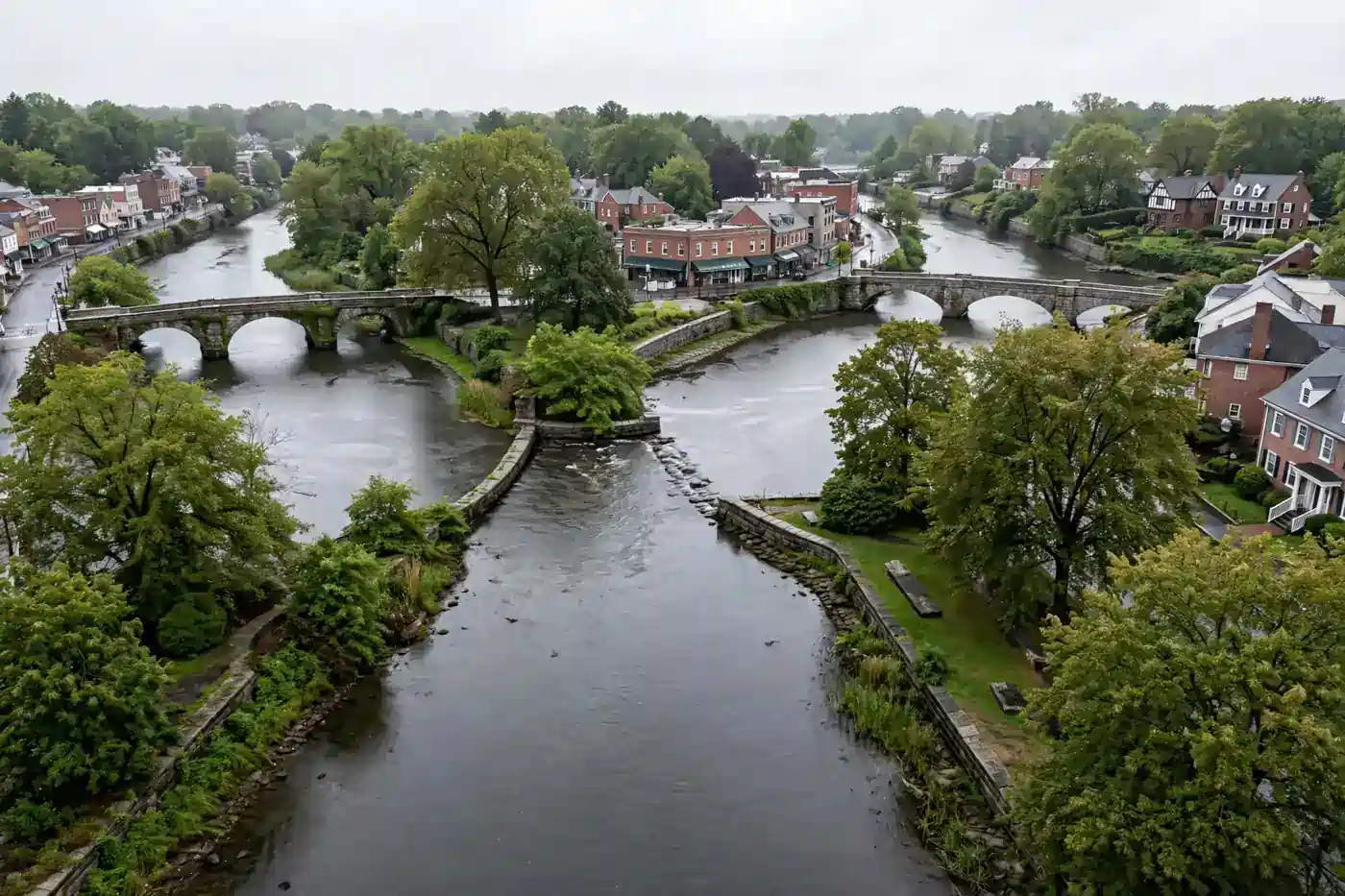
Extraction first, drying second, paperwork from the first hour, anywhere in the county. The number below is a placeholder while the business line is finalised, and it is labelled that way everywhere on this page.