Water Damage Restoration Bronx: Fast Help for Flooded Homes in the Bronx, NY
A burst pipe on the Grand Concourse, a backed up sewer in Mott Haven, a ceiling raining down in a Co-op City tower at 3 in the morning. Water does not wait for office hours in the Bronx, and neither do we. This page explains exactly what proper water damage restoration Bronx work looks like, step by step, in plain language, so you know what to do in the first hour, what a real crew does when it arrives, who pays for what, and how to get your home dry and safe again. It is written by people who do water damage restoration Bronx work every week, for people who need it tonight.
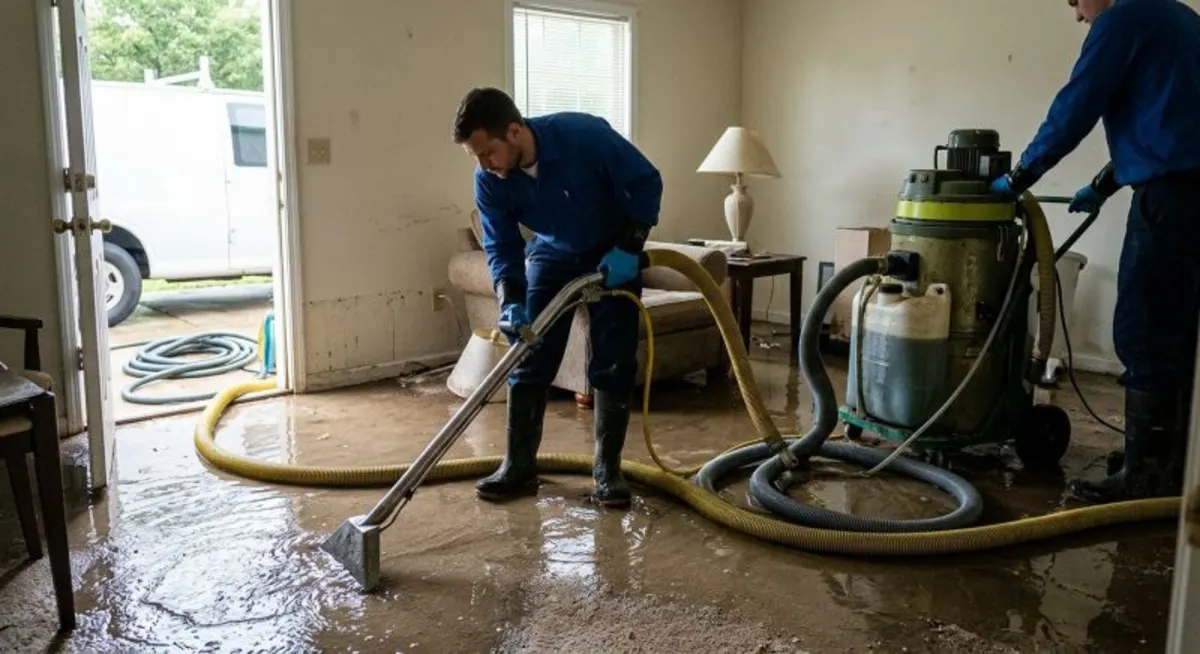
The short answer
Water damage restoration is the full job of stopping the water, removing it, drying the structure, cleaning what got wet, and repairing what the water ruined. In the Bronx, most calls fall into five buckets: burst or leaking pipes in pre-war buildings, steam heating leaks, sewer and drain backups, appliance failures, and storm flooding in basements and ground floors. The work always follows the same order: stop the source, extract the water, remove what cannot be saved, dry with measured airflow and dehumidification, verify dryness with meters, then rebuild. Mold can start growing in 24 to 48 hours on wet plaster, wood and drywall, so the clock starts the moment you find the water, not the moment a crew arrives. If you are standing in water right now, skip to the first hour checklist below, then call (212) 555-0147 (placeholder number) for a free inspection. That is the whole shape of water damage restoration Bronx work, and the rest of this page fills in every part of it.
What is water damage restoration? Water damage restoration is the professional process of returning a flooded or leaked home to a clean, dry and safe condition: stopping the source, extracting standing water, drying walls and floors with specialist equipment, removing unsalvageable material, treating surfaces against mold, and repairing the damage fully.
Last updated: November 2026
Key takeaways
Seven Bronx facts worth quoting exactly, each with its source named in the same sentence, drawn from the full sections below.
- The Bronx recorded 359,197 violations from the Department of Housing Preservation and Development (HPD) in 2024, more than any other borough, counted in the city's Housing Maintenance Code open data.
- City sewers are designed to handle 1.75 inches of rain per hour under the Department of Environmental Protection (DEP) design standard, while Hurricane Ida delivered 3.15 inches in one hour, a figure recorded in a November 2024 study in Scientific Reports.
- Mold can begin growing on wet drywall, plaster and wood within 24 to 48 hours, according to the United States Environmental Protection Agency (EPA), so drying has to start the same day the water is found.
- Most water damage restoration Bronx jobs dry in 3 to 5 days for a contained clean water loss, while a large or severe sewage backup takes 7 to 14 days, the ranges SERVPRO and PuroClean publish for those situations.
- Flood damage is not covered by a standard homeowners policy and needs a separate National Flood Insurance Program (NFIP) policy, and a new NFIP policy waits 30 days before it takes effect, according to the New York State Department of Financial Services (DFS).
- Under New York Insurance Law 2601 and Regulation 64, an insurer must acknowledge a claim within 15 business days, and a claim against the city for sewer or street flooding must reach the New York City Comptroller within 90 days under General Municipal Law 50-e.
- In a Bronx co-op, a leaking radiator is the shareholder's responsibility 99.9 percent of the time under Paragraph 18 of the proprietary lease, a co-op attorney explained in Habitat Magazine in 2021.
On this page
- Key takeaways
- The first 60 minutes
- The first 48 hours after a storm
- Why Bronx homes flood
- Bronx water systems: sewers, rivers and the Sound
- Categories and classes
- Services
- The 8 step process
- Neighbourhood by neighbourhood
- Who pays
- Insurance claims
- Behind walls and mold
- Quick answers and key facts
- FAQs
The First 60 Minutes After You Find Water in a Bronx Home
The first hour decides how big the job becomes. Water keeps moving the whole time it sits: across floors, under baseboards, down through ceilings, and into wall cavities where nobody can see it. Everything on this list is something a homeowner, tenant or super can do safely before a crew arrives, and every item either limits the damage or protects your insurance claim. If any step feels unsafe, skip it and wait for help. No possession is worth an electric shock. This checklist is the same one a water damage restoration Bronx crew wishes every caller had followed before they arrived.
- Stop the water if you safely can. For a burst pipe, close the apartment shutoff valve if your unit has one, or call the super to close the riser or the building main. For a leaking appliance, close the small valve behind it. For a toilet, turn the valve at the base clockwise. In many Bronx pre-war buildings the valves are old and stiff, and forcing one can snap it. If it will not turn with normal pressure, stop and get the super.
- Kill the power to wet areas. If water is near outlets, appliances or a ceiling light, switch off the breaker for that room at your panel. Never walk through standing water to reach a panel that is itself wet or in the flooded area. If the panel is in a flooded basement, stay out and call for help instead.
- Get people and pets out of the wet zone. Sewer water and storm water carry bacteria. Keep children and pets out of any room with grey or black water, and wash hands well after any contact with flood water.
- Move what water ruins fastest. Lift rugs, boxes, books, shoes and electronics off wet floors. Put aluminium foil or wood blocks under furniture legs so wood stain and rust do not bleed into carpet. Move paperwork, photos and medication to a dry room first, because those are the things people regret losing most.
- Start removing water with what you have. Towels, a mop, a bucket, a wet and dry vacuum if you own one. You will not dry a structure this way, but every gallon you remove is a gallon that does not soak into the subfloor.
- Photograph and video everything. Walk the whole home slowly. Film the source, the standing water, every wet wall and every damaged item before you move or throw anything away. This footage is the backbone of an insurance claim, and it takes five minutes.
- Call your landlord, super or management company. In a Bronx rental, co-op or condo, the building controls the risers, the roof drains and the basement pumps. Tell them what happened, where the water is, and that you have shut off what you can. In NYCHA housing, put in a work order through the usual channels as well, and keep the ticket number.
- Call your insurance company or broker. Report the loss early, even before you know the full extent. Ask what your policy covers for sudden water damage, what your deductible is, and whether you need approval before mitigation starts. Write down the claim number.
- Call a water damage restoration Bronx crew. A proper crew answers around the clock, asks about the source and the category of water, and brings extraction equipment, moisture meters and drying machines on the first visit, not on a second trip.
- Do not throw damaged items away yet. An adjuster may want to see them. Bag ruined items if they are a health risk, photograph them first, and keep them on a balcony, in a tub or by the door until you are told to discard them.
One warning that matters in the Bronx in particular: never run a generator, grill or any fuel burning device indoors or in a basement to power a pump or dry a room. Carbon monoxide kills quietly, and it is a real risk after storms when the power is out. If the power is out and the basement is filling, get out and call 911 if anyone is in danger, then call a water damage restoration Bronx crew with truck mounted equipment. Crews that handle water damage restoration Bronx calls every week carry that equipment as standard.
Standing in water right now? Talk to a real person, day or night, and get a free inspection booked.
Call (212) 555-0147 (placeholder)The First 48 Hours After a Bronx Storm
After a Bronx storm, safety comes first, and every clock starts at once: the insurer's claim clock, the city's complaint log, and the 90 day deadline for a claim against the city. A burst pipe is a private emergency. A storm is a public one, and the rules change a little: the city becomes part of your claim, the clocks start running at City Hall as well as at your insurer, and the safest move in a basement can be to leave it. The Bronx has had a fresh reminder of this. On 5 November 2026, Governor Hochul requested federal assistance for coastal storm damage on Long Island and in New York City. A week later, on 12 November 2026, a nor'easter dropped 3.32 inches of rain on JFK Airport according to FOX Weather, the second wettest November day on record there. Wikipedia, citing the National Weather Service record report, puts the same day at 3.56 inches. The two sources do not agree, and this page will not pretend they do. What is not in dispute is the shape of the day: a rare tornado warning for southern Queens, flash flooding on the low roads, and, as WABC reported, the possibility of snowflakes over the Bronx the following day. Bronx basements took water in that storm the way they always do, quietly and from below.
Hour by hour, the storm version
While the water is rising: if anyone is in danger, call 911. Do not wade into a flooded basement to reach a breaker panel, a boiler or stored belongings. Water near electrical equipment is an electrocution risk, and basement water can rise faster than a person can react. If you live in a below grade apartment and the water is coming in, get out and go up, to a neighbour, family, or a city shelter. No document and no possession in that room is worth staying for.
As soon as it is safe: photograph and video everything before you move it, including the waterline on the walls. Then make the three calls that start every clock. Call 311 to report a sewer backup or street flooding, because the city log of your complaint matters later. File a damage report at reportdamage.nyc.gov, the city's own record of what the storm did to your home. And call your insurer or broker to open the claim while the drying is being arranged, not after it. Waiting for an adjuster's permission before mitigation starts is one of the most common and most expensive mistakes after a storm.
Within 90 days: if you believe the city's sewer or street drainage caused your loss, a claim against the city goes to the New York City Comptroller, and under General Municipal Law 50-e it must be filed within 90 days. File it, and file it on time, but go in with honest expectations: after Hurricane Ida, the city denied over 4,700 claims, relying on a 1907 legal decision that does not hold the city responsible for damage from extraordinary or excessive rainfall. A timely claim preserves your rights. It is not a promise of payment.
Basement apartments: the Ida lesson the Bronx cannot skip
Ida, on the night of 1 to 2 September 2021, is the reason this section exists. The death counts differ by source, so here they are with their sources attached. AP and the NYPD counted 13 deaths in New York City, 11 of them in basement apartments. NYC Health counted 14 deaths, 10 of them in basement apartments. Scientific Reports, in a November 2024 study, records 10 basement drownings in Queens and 1 in Brooklyn. The Columbia Climate School reported that all but one of the deaths happened in an illegally converted basement apartment, and that five of the six homes where people died were unregulated basement apartments that could not legally be occupied. The city estimates there are over 50,000 unofficial basement dwellings across New York, home to over 100,000 people. Many of them are in the Bronx.
The law draws a hard line. Under New York City rules, a cellar, a room more than half below ground, cannot be lived in at all. A legal basement apartment has to meet strict standards: a ceiling height of at least 7.5 feet in most cases, a window in every room, and a way out that leads outside. If your home is below grade and does not meet those standards, the restoration question after a flood is not only how to dry it. It is whether anyone should sleep there again before the next storm, and a tenant in that position should talk to a tenant lawyer or a free legal help program as well as to a water damage restoration Bronx crew. If your landlord will not fix flooding in a basement unit, the path is the same as for any leak: notify the landlord in writing, then call 311, which sends the complaint to HPD. One lawyer answering exactly this question from a Bronx area tenant put the landlord's duty plainly: the problem must be resolved within a reasonable time, typically about 7 days, and if it is not, the tenant may have grounds to withhold rent and to file in court for breach of the warranty of habitability.
Storm water in your Bronx home right now? Get the water out and the clocks started, insurer, 311 and the city report, in the right order.
Call (212) 555-0147 (placeholder)Why the Bronx Floods the Way It Does
The Bronx floods because heavy rain meets low ground, combined sewers and some of the oldest apartment buildings in New York City, and most indoor water damage restoration Bronx losses begin with aging pipes, steam heat, sewer backups or storm water in a basement.
The Bronx is the only borough of New York City that sits on the mainland, and its water problems follow from its ground, its rivers and its buildings. The borough is hilly in the west, with ridges running down from Riverdale and Kingsbridge toward the Harlem River, and flat in the east and south, where the land meets the East River, Westchester Creek and the Hutchinson River at close to sea level. Heavy rain runs downhill fast, collects in the low streets, and pushes into basements through floor drains, window wells and foundation cracks. When a hard rain lands on a high tide, the storm drains have nowhere to push the water, and the water pushes back into the buildings instead. Geography is the first cause of Bronx water damage, and it never takes a day off.
The building stock tells the rest of the story. The Bronx holds some of the oldest large apartment housing in the city: the grand pre-war buildings along the Grand Concourse and in Concourse, Fordham and Norwood, most of them built between 1900 and 1940 with cast iron waste stacks, galvanised supply lines, steam heat and plaster over wood or metal lath. Those pipes are now 80 to 120 years old. They do not usually fail all at once. They thin, they pit, they split along a seam on the coldest night of the year, or a stack joint lets go and sends wastewater down through three kitchens. Add the garden level and basement apartments that sit below street grade across Mott Haven, Melrose, Morrisania and Hunts Point, the huge post-war complexes like Co-op City and Parkchester, and the one and two family houses of Riverdale, Woodlawn, Wakefield, Throggs Neck and City Island, and you get a borough where water damage takes almost every shape it can take. That range is exactly why water damage restoration in the Bronx can never be a one size service.
Storm history matters too. The remnants of Hurricane Ida in September 2021 dropped rain faster than the drains could carry it and flooded basements and ground floors across the city, including Bronx streets in Mott Haven, Concourse and the low blocks near the Bronx River. Coastal flooding reaches City Island, Edgewater Park, Locust Point and the Hunts Point shoreline during strong nor'easters and tropical storms. None of this means every Bronx home will flood. It means the borough rewards owners who know where their shutoffs are, keep their drains clear, and treat a small leak as the early warning it usually is.
What Causes Water Damage in Bronx Homes
These are the causes our crews see again and again in the Bronx, roughly in the order they show up. Knowing the cause matters because it decides the category of the water, the safety steps, and whether insurance is likely to treat the loss as sudden and covered or gradual and excluded. Every one of these causes ends the same way if it is ignored: a bigger water damage restoration Bronx job than the one you started with.
- Burst and split pipes. Galvanised and copper supply lines in pre-war buildings corrode from the inside. A pipe that looks fine on the outside can be paper thin inside. Cold snaps finish the job when water freezes, expands and splits the pipe, and the flood starts the moment it thaws.
- Cast iron stack failures. The vertical waste stacks in older Bronx buildings crack, rot at the base and leak at hub joints. A stack leak often shows up as a stain in a kitchen or bathroom ceiling, weeks before anyone realises the pipe above is failing.
- Steam heating leaks. Much of the Bronx heats with one pipe or two pipe steam. Radiator valves, air vents, traps and return lines all leak with age, and a failed valve can pour hot water and steam into a room for hours. Steam also condenses inside walls and quietly rots plaster and wood over a whole winter.
- Sewer and drain backups. Older combined sewers carry both waste and storm water. In a downpour the line surcharges and the lowest fixtures in the building, usually a basement toilet, tub or floor drain, become the relief valve. Tree roots, grease and collapsed clay laterals cause backups in dry weather too.
- Appliance failures. Washing machine hoses, dishwasher lines, water heaters, refrigerator ice maker lines and air conditioner condensate drains. A braided hose that bursts on an upper floor can send water through two apartments below before anyone gets home.
- Roof and parapet leaks. Flat roofs with aged membranes, clogged roof drains, cracked parapet caps and failed flashing let rain travel down inside walls. Roof water is sneaky: it can enter at the sixth floor and show itself at the second.
- Facade and window leaks. Cracked lintels, open mortar joints and failed window caulking let wind driven rain into the wall assembly, especially on exposed upper floors along the Concourse and in Riverdale.
- Basement seepage and groundwater. In the low eastern Bronx and along the Bronx River and Westchester Creek, a high water table pushes through foundation walls and floor joints after long rain. Sump pumps that fail or lose power turn seepage into a flood.
- Storm and coastal flooding. Street flooding entering through basement windows and doors, and tidal flooding in City Island, Edgewater Park, Locust Point, Ferry Point and the Hunts Point waterfront.
- Neighbour leaks. The upstairs bathroom, the washing machine two floors up, the radiator next door. In stacked apartment buildings, your water damage is often somebody else's plumbing failure, which is why the who pays section of this page matters so much.
- Fire suppression water. After a fire, the water used to put it out, and any sprinklers that discharged, leave a second damage problem behind. Wet, soot covered material needs fast, careful handling.
- Construction and renovation mistakes. A nicked pipe during a remodel, a shower pan that was never waterproofed, a newly tiled bathroom with no slope to the drain. Renovation related leaks are common in the wave of gut renovations across the South Bronx.
Bronx Water Systems: Sewers, Rivers, the Sound, and the Ground Itself
A Bronx home does not flood in a vacuum: it floods because a system underneath the borough failed, a sewer surcharged, a river rose, a tide pushed back, or the ground under the building was marsh before it was a neighbourhood. Understanding which system sent your water tells you what category it is, how fast to move, and what fix actually prevents the repeat.
Combined sewers: why Bronx basements back up through the floor drain
About 60 percent of New York City's sewers are combined, meaning one pipe carries household waste and storm water together. The Department of Environmental Protection (DEP) reported in 2024 that the older combined sewers, the ones not built to the current design standard, are mostly in the Bronx, Brooklyn and Queens. City sewers are designed to handle about 1.75 inches of rain per hour under the DEP design standard. Ida delivered 3.15 inches in one hour, with a maximum hourly intensity of 3.47 inches recorded at Central Park, according to a November 2024 study in Scientific Reports. When rain arrives at nearly twice the design rate, the combined line fills, and the water looks for the lowest opening it can find. In a Bronx basement, that opening is the floor drain, the laundry sink or the lowest toilet. That is why storm backups arrive from below, carrying sewage, and why every drop of it is Category 3 water. Report every sewer backup to 311, even a small one: the complaint log is the city's record, and it supports both a DEP inspection and any later claim. A backwater valve, fitted on the building's drain line, is the mechanical answer, and the prevention section of this page covers it.
The Bronx River and the Brooklands lesson
The Bronx River is the borough's only freshwater river, and the buildings along it have a long memory. Habitat Magazine documented the Brooklands co-op, which stands where the Bronx River meets Sprain Brook, in February 2015. The complex flooded catastrophically in Hurricane Agnes in 1972. It flooded again in 2007, when melting snow and torrential rain wiped out all three elevators, both boilers, every electric meter and transformer, 96 cars and all 24 ground floor apartments. Hurricane Irene flooded it again in 2011. Two of those storms did eight million dollars of damage, three million more than the co-op collected in insurance. The lesson is not that riverside living is foolish. It is that a building on a river needs its mechanicals raised, its ground floor planned for water, and its board honest about the gap between damage and coverage. The Hutchinson River, running past Co-op City and Pelham Bay, teaches the same lesson on a smaller scale.
Long Island Sound, the East River, and Sandy
The Bronx is bordered by water on three sides: Long Island Sound, the East River, the Harlem River and the Hudson River. During Superstorm Sandy on 29 October 2012, National Weather Service storm reports recorded the first row of houses in Edgewater Park flooding as surge came over the waterfront, and a boat pushed into a home in Throgs Neck. The Waterfront Alliance noted in November 2026 that the city environmental agency itself admitted it had not been aware Sandy had hit the Bronx that hard. Castle Hill and Soundview live with that legacy: the Castle Hill YMCA, hit by Sandy, sits inside a flood zone, and a Flood Solutions Fair was held there on 28 October 2026 for Castle Hill and Soundview residents. The ShopRite parking lot on Pugsley and Story Avenues floods often enough that locals treat it as a gauge. Salt water changes the water damage restoration Bronx job, too: seawater is Category 3 under the S500 standard of the Institute of Inspection, Cleaning and Restoration Certification (IICRC), and the salt it leaves behind keeps corroding metal and pulling moisture out of the air long after the rooms look dry.
Ida in the Bronx, in numbers
The city's Ida recovery plan, cited by GlobePro Restoration, records that the Bronx held 18.7 percent of the buildings Ida damaged in 2021, and that more than three inches of rain fell in one hour in the western Bronx. About 230 public housing buildings across the city were affected by Ida, with 12 developments across the Bronx, Brooklyn and Queens badly hit. Ida's damage in New York City is estimated at 360 million dollars by the National Weather Service, and the storm brought the first flash flood emergency ever issued for the city itself. Those numbers are why a Bronx page that talks about storms without talking about Ida is not finished.
Co-op City: a city built on marshland
Co-op City holds 15,372 homes in 35 high rise buildings and seven groups of townhouses. It is the largest cooperative housing development in the world and the largest single residential development in the United States, home to 37,369 people at the 2020 census. It was built between 1966 and 1973, under the Mitchell-Lama program, on 320 acres that were mostly marshland, crossed by tidal creeks including Rattlesnake Creek, which was filled in or buried. The buildings stand on some 50,000 pilings driven down to bedrock, so the towers themselves are sound. The ground around them is not: the filled land settles and sinks a fraction of an inch every year, and that slow movement cracks sidewalks, ramps and, most importantly for this page, underground pipes. When the land was filled to grade, some existing houses nearby ended up as much as 12 feet below the new grade, and the fill sent storm runoff into them. A Co-op City water loss is therefore often a systems loss: a cracked underground line, a failed riser, a roof drain at tower scale, handled as a water damage restoration Bronx job through Riverbay's management structure with documentation to match.
Old buildings, old pipes, and steam
The University Neighborhood Housing Program measured the Bronx multifamily stock in 2014 and found a median building age of 87 years, rising to 98 years in Community Board 6. About 46 percent of the borough's one, two and three family lots were built before 1940, and roughly a third of all Bronx housing units date from 1939 or earlier. The 1938 building code allowed lead, galvanised steel, wrought iron, extra heavy cast iron, brass and copper in the same building, so a pre-war Bronx home can hold several generations of pipe at once. Cast iron drain stacks last 60 to 100 years, which means the oldest Bronx stacks are at or past the end of their design life now. Galvanised supply lines rust from the inside out, and the first warning is weak pressure and brown water on the first draw of the morning. Steam ties it together: about 75 percent of New York multifamily buildings heat with steam, most pre-1970 buildings use single pipe steam systems, and HPD's heat season runs from 1 October through 31 May. That is why radiator valves, vents and return lines so often start leaking in the first cold weeks of autumn, exactly when the system comes back to life after summer. In Riverdale and Pelham Bay, Mega Contracting notes a winter companion to the steam problem: uninsulated supply lines running along exterior brick walls freeze in sub-zero cold and split, and the flood begins at the thaw.
Water Categories and Damage Classes, in Plain Language
Restoration professionals sort every job by two things: how dirty the water is (the category) and how much material it soaked (the class). The industry standard behind this is the IICRC S500, the guidebook trained technicians work from. You do not need the manual. You need to know what the words mean when a crew or an adjuster uses them in your kitchen. It is the shared language of water damage restoration Bronx work, from the first meter reading to the final invoice.
The three categories of water
| Category | What it means | Bronx examples | How it changes the job |
|---|---|---|---|
| Category 1: clean water | Water from a clean source that does not pose a health risk at the start | A burst supply pipe, a split washing machine hose, an overflowing sink that was filling with tap water | Extract, dry in place where possible, save the most material. Clean water does not stay clean: left warm and sitting for a day or two it degrades and starts growing bacteria and mold |
| Category 2: grey water | Water with contamination that can cause discomfort or illness | Dishwasher and washing machine discharge, an overflowing toilet with urine only, a leaking aquarium, a failed sump with ground water | Porous soft goods like carpet pad usually come out. Surfaces get cleaned and treated with an antimicrobial. Technicians wear gloves and protection |
| Category 3: black water | Grossly contaminated water that can carry sewage, chemicals and pathogens | Sewer backups, combined sewer surcharge during storms, river and tidal flood water entering a home, toilet backups with feces | The strictest protocol. Porous materials that touched it are removed and discarded, the area is contained, crews wear full protective equipment, and everything remaining is cleaned and disinfected before drying |
The four classes of loss
| Class | What it means | Typical Bronx version |
|---|---|---|
| Class 1 | Little water, limited area, materials that absorb slowly | A small supply leak caught early in a tiled bathroom |
| Class 2 | A whole room affected, water wicked up walls, carpet and pad wet | A washing machine hose flooding a bedroom and hallway in a Co-op City unit |
| Class 3 | Water from overhead, ceilings and walls saturated, the fastest drying challenge | A burst pipe on the fifth floor of a Grand Concourse building soaking the units below |
| Class 4 | Deep water trapped in hard to dry materials that need specialist drying | Water inside plaster and lath walls, hardwood over concrete, or a flooded masonry basement in Riverdale |
Why should you care about these labels? Because they explain the scope a water damage restoration Bronx crew proposes. A Category 3 backup genuinely requires removal of wet drywall and flooring, and a crew that wants to just spray and dry it is cutting a corner with your health. A Class 4 loss genuinely takes longer and needs daily meter readings. When the paperwork matches the standard, your insurer also processes the claim with far less argument. Clear categories make for clear water damage restoration Bronx scopes.
Water Damage Restoration Bronx Services for Homes and Buildings
Every service below is part of one job: getting a Bronx home or building dry, clean and whole again. Some jobs need two of these. A big stack leak in a pre-war building can need almost all of them. Each service is described the way it actually happens in a real apartment or house, not the way brochures describe it. Together they are the full menu of water damage restoration Bronx services.
Emergency water extraction
Extraction is the removal of standing water with truck mounted or portable extractors, weighted wands for carpet, and pumps for deep basement water. It is the highest value hour of the whole job, because water pulled out with a machine does not have to evaporate out of your walls later. A good water damage restoration Bronx crew extracts before they set a single fan, and they keep extracting until the wand pulls almost nothing. In a flooded Bronx basement with no working drain, the water leaves in a hose run up the stairs or out a window to the street, following the building rules about where it can discharge. Fast extraction is what separates professional water damage restoration Bronx work from a mop and a hope.
Leak detection and moisture mapping
Before anything is opened, a water damage restoration Bronx crew finds where the water went. Pin and pinless moisture meters read the dampness inside plaster, drywall, wood and tile assemblies. Infrared cameras show the cold, wet shapes hiding inside a wall as colour patterns, and the technician confirms each suspicious area with a meter before marking it. The result is a moisture map: a sketch of your home with readings at each point. That map drives every later decision, and a copy of it belongs in your claim file. On a water damage restoration Bronx job, the map is the job: everything else follows from it.
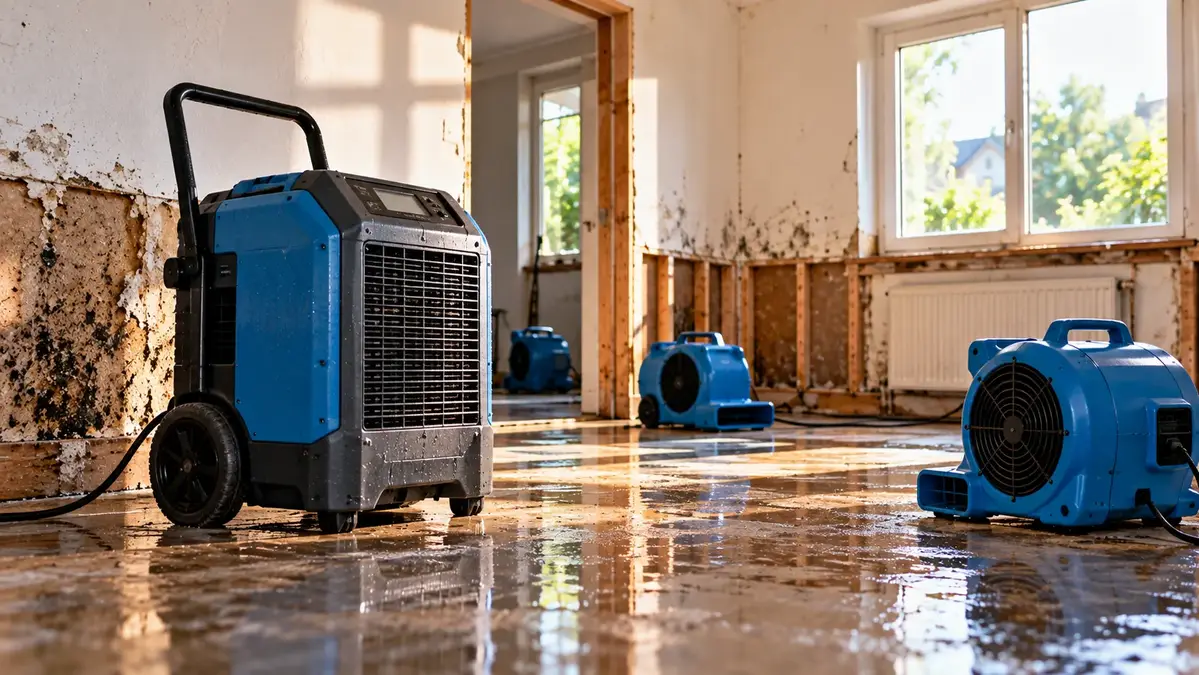
Structural drying and dehumidification
Drying is a controlled process, not a fan pointed at a puddle. Air movers push air across wet surfaces to lift moisture out, and low grain refrigerant or desiccant dehumidifiers pull that moisture from the air and drain it away. A water damage restoration Bronx crew calculates how much equipment a room needs from its size, its class of loss and the materials involved, then returns daily to take readings, move machines and confirm the numbers are falling. In plaster and lath walls, drying can be helped with venting systems that push dry air into the wall cavity through small holes drilled at the baseboard line, which often saves a wall that looks doomed. The machines have names, and a serious crew will tell you what is running in your home: low grain refrigerant dehumidifiers and air movers from makers like Dri-Eaz, Phoenix and B-Air, wall cavity drying systems from Injectidry, extraction equipment from Hydramaster, moisture meters from Tramex, and thermal cameras from FLIR. The brands matter less than the readings they produce, but a water damage restoration Bronx crew that cannot name its equipment is usually a crew that does not own much of it. Measured drying is the heart of water damage restoration Bronx work, because the borough's old walls hide more water than any other kind.
Sewage and drain backup cleanup
A sewer backup is a health job first and a drying job second. A water damage restoration Bronx crew contains the area, removes contaminated porous material in sealed bags, extracts the waste water, then washes and disinfects every remaining surface. In Bronx basements this often includes the boiler area, storage rooms and the laundry, and it includes checking the floor drain and the house trap so the backup does not repeat with the next storm. Nothing from a black water area gets carried through the clean parts of your home uncovered. This is the part of water damage restoration Bronx work that should never be improvised.
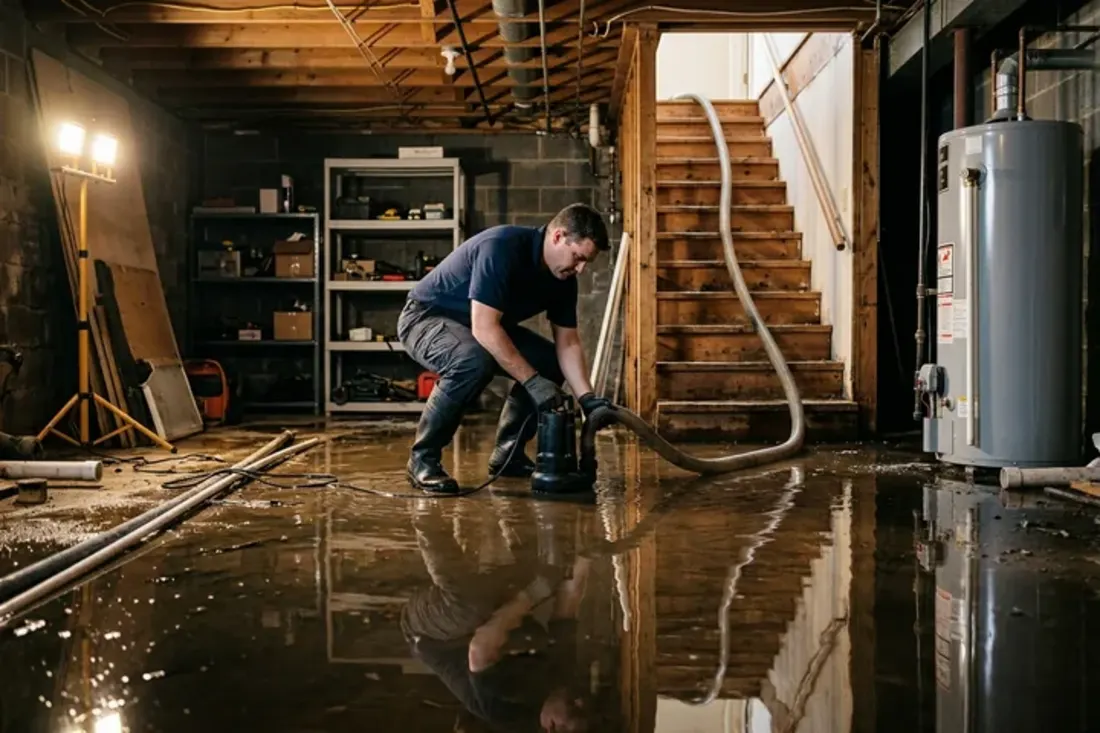
Basement flood cleanup and pumping
Basement work starts with safety: power, gas appliances standing in water, and oil tanks in older homes all get checked before anyone wades in. Then pumping, extraction, removal of ruined contents and finishes, cleaning of the concrete and masonry, drying, and treatment against mold and odour. Water damage restoration Bronx crews also look hard at how the water got in, because a Bronx basement that flooded once through a window well or a floor drain will flood again the same way, and a backwater valve or a maintained sump pump is often the real fix. A water damage restoration Bronx crew that only pumps and leaves has done half the job.
Mold remediation after water damage
When water sat too long, or a slow leak fed a hidden cavity for weeks, mold remediation follows the drying. The work area is sealed with plastic containment under negative air pressure so spores do not spread, affected material is removed, remaining surfaces are cleaned, and the air is scrubbed with HEPA filtration. New York rules add a layer here: for mold projects over a small threshold, the work must be done by a licensed mold remediation contractor with a written assessment from a licensed assessor, and Local Law 55 of 2018 requires landlords to fix the underlying moisture condition, not just paint over the growth. Mold is also where water damage restoration Bronx work becomes a licensed, regulated trade, and the paperwork matters as much as the plastic. The mold section later in this page explains the timing and the rules in full.
Contents cleaning and pack out
Furniture, rugs, clothing and belongings that got wet need fast decisions. Hard items can usually be cleaned and dried. Upholstery that soaked grey or black water usually cannot be made safe. When a room must be emptied for drying or rebuild, a pack out inventories, photographs, packs and stores your belongings, and returns them when the home is ready. Keep your own photo inventory too. It strengthens any claim for damaged contents. Careful contents handling is a quiet part of water damage restoration Bronx work that saves people the losses they would have felt most.
Odour removal and sanitising
The sour smell after a flood comes from bacteria, mildew and wet building material, and it does not leave until the source does. Real odour control means removing the source material, cleaning, drying fully, and then treating the air and surfaces. Scented sprays over a wet wall only perfume the problem for a day. Real odour control is built into proper water damage restoration Bronx work, not sprayed on at the end.
Rebuild and repairs
Once dryness is verified, the home gets put back: drywall and plaster repair, flooring, baseboards, cabinets, painting and finishes. The rebuild section near the end of this page walks through the right order. One caution for Bronx co-ops, condos and rentals: building management and, for some work, the Department of Buildings (DOB) may need to approve parts of the rebuild, and your building may require its own insurance certificates from any contractor who works in the unit. When water damage restoration Bronx work is done in the right order, the rebuild is the calm part of the job.
Not sure which of these your home needs? A free inspection and moisture check will tell you, in writing, before you commit to anything.
Call (212) 555-0147 (placeholder)The 8 Step Restoration Process, and a Drying Diary
Good restoration is boring in the best way: the same careful steps, in the same order, every time. Here is the full process a professional water damage restoration Bronx crew follows, and what you should expect to see at each step in your own home. If a water damage restoration Bronx company cannot walk you through these eight steps, keep calling.
- Emergency contact and triage. You call, a person answers, and you get asked the questions that matter: where is the water coming from, is it stopped, what kind of water is it, which rooms are wet, is the power safe. Those answers decide what equipment goes on the truck.
- Inspection and moisture mapping. A water damage restoration Bronx crew walks the whole home, including the rooms that look dry, tests with meters and a camera, finds the full footprint of the water, and explains the scope before work begins.
- Water source control. If the water is still running, it gets stopped: a valve closed, a riser shut with the super, a supply line capped. Drying a home under a running leak is pointless.
- Extraction. Standing water is pumped and extracted, including water pulled out of carpet and pad. Furniture is blocked up or moved, and valuables are protected.
- Removal of unsalvageable material. Wet carpet pad, soaked insulation, crumbling drywall and contaminated porous material come out in a controlled way. Where a wall base is removed, it is done as a clean, straight flood cut, usually at two feet, so the repair is simple later.
- Cleaning and antimicrobial treatment. Remaining surfaces are cleaned, and where the category of water calls for it, treated with an antimicrobial. Sewage losses get full disinfection before drying starts.
- Drying with daily verification. Air movers and dehumidifiers are set from a calculation, not a guess. A technician returns each day, takes meter readings at the same points, records them, adjusts equipment, and only removes machines when readings reach the dry standard for each material.
- Final verification, documentation and rebuild handover. You get the drying log and the moisture map for your records and your claim. Then the repair work is planned: what gets replaced, in what order, and which approvals the building needs.
A drying diary: what the days usually look like
Day 1 is noise and motion: extraction, removals, machines placed, the first set of readings logged. Your home will look worse before it looks better, because the damaged material comes out on day one. Day 2 is the first check: readings should be falling, equipment gets repositioned, and any pocket that is not drying gets found and opened or vented. Day 3 is when most clean water jobs turn the corner: floors and wall bases approach their dry standard, and some machines may come out of the driest rooms. Days 4 to 5 finish the slow materials: hardwood, plaster, and the bottom plates inside walls. A typical clean water loss dries in 3 to 5 days. Sewage losses, deep storm flooding and Class 4 materials can take longer, and any water damage restoration Bronx crew that promises a fixed finish date before the first readings is guessing. The honest promise is daily readings, shared with you, until the numbers say dry. That diary becomes part of your water damage restoration Bronx claim file, and adjusters read it closely.
How long drying takes, by situation
No honest crew quotes a finish date before the first meter readings, but the ranges below are the ones experienced water damage restoration Bronx crews plan around, and they line up with the figures the national operators publish: SERVPRO gives 3 to 5 days for an average drying situation, and PuroClean gives 7 to 14 days for a large or severe sewage backup. The meter decides the end, not the calendar: wood is treated as dry at a moisture content of 15 percent or less, following the guidance This Old House cites from the EPA, and every other material is compared against the same material in a dry part of the home.
| Situation | Typical drying time | What stretches it |
|---|---|---|
| A contained clean water leak, one room, caught early | 3 to 5 days | Hardwood over a wet subfloor, or water that reached a wall cavity |
| A multi-room loss, or a flooded basement | 5 to 7 days | Deep water, finished basement walls and flooring, power problems |
| A large or severe sewage backup | 7 to 14 days | Cleaning and disinfection come before drying, and contaminated material must come out first |
| Pre-war plaster and lath, or a wet apartment stack | Often one to two weeks, sometimes longer | Plaster gives up water slowly, and each unit in the stack dries at its own pace |
| The rebuild after drying | About 1 to 2 weeks for one room, 4 to 8 weeks across several rooms | Building approvals, board or management sign off, and materials lead time |
One safety rule sits inside those numbers for deep basement water: Guidance from the Federal Emergency Management Agency (FEMA) is to pump out only about one foot of water every 24 hours. Pumping a deep basement dry in a single rush can let the pressure of the wet soil outside push the walls in. Slow is not lazy here. Slow is structural.
Neighbourhood by Neighbourhood: How Water Behaves Across the Bronx
The Bronx is not one housing market or one flood map. A sixth floor co-op on the Grand Concourse and a raised house on City Island face completely different water. This section walks the borough area by area, because local detail is what decides where your shutoffs are, what your walls are made of, and which kind of flood to prepare for. That local detail is exactly what separates proper water damage restoration Bronx work from a generic cleanup visit. If your street is not named, the description of the area closest to you will still fit your building type. Read your own area first if you are planning prevention work, and read it twice if you are mid flood and deciding what proper water damage restoration Bronx help should look like on your street.
Concourse and the Grand Concourse
The Grand Concourse is lined with some of the finest pre-war apartment houses in the city, many of them Art Deco buildings from the 1920s and 1930s with doormen, courtyards and deep floor plans. Their water risks are the classic pre-war set: galvanised supply lines at the end of their life, cast iron stacks, steam radiators with ageing valves, and flat roofs with drains that clog with leaves every autumn. A leak here rarely stays in one apartment. It follows the stack or the pipe chase down through the same line of kitchens and bathrooms, so a stain on your ceiling means a water damage restoration Bronx crew needs access to the units above, and the building staff are part of the job from the first hour. Concourse buildings generate more repeat water damage restoration Bronx calls than almost any other housing stock in the borough.
Highbridge, Morris Heights and University Heights
West of the Concourse, the land drops toward the Harlem River in a series of steep streets. The housing mixes pre-war walk ups, post-war towers and smaller houses. Hillside drainage is the theme: storm water runs hard down the slope, and buildings at the bottom of a grade take water at their basement and garden levels. Retaining walls and rear yards that drain toward the building are common sources of seepage after long rain.
Melrose, Mott Haven and Port Morris
The South Bronx waterfront districts have changed fast, with new towers rising beside older tenements, NYCHA campuses and converted industrial buildings. The land is low and flat, close to the Harlem River and the East River, and the combined sewers here are among the oldest in the borough. Sewer surcharge during heavy rain is the signature loss: basement and ground floor units take black water through floor drains and low fixtures. Newer buildings have backwater protection and raised mechanicals. Older ones often do not, and a backwater valve conversation belongs in every ground floor restoration here. It is also why water damage restoration Bronx work so often starts with the drains in these districts.
Morrisania, Crotona Park and Claremont
Dense residential blocks of walk ups, mid-rise buildings and NYCHA developments, with Crotona Park as the green centre. The losses here are everyday plumbing at scale: stack leaks, radiator leaks, tub overflows and washing machine failures in buildings where one riser serves many homes. Fast reporting matters, because in a stacked building a small leak reported on day one is a ceiling stain, and the same leak reported on day ten is a collapsed ceiling and a mold job.
Hunts Point and Longwood
Hunts Point is two worlds: the Food Distribution Center and the industrial peninsula, and the residential streets of Longwood with their historic district rowhouses and apartment buildings. The peninsula is low and tidal, and commercial flooding around the market affects warehouses and food businesses where water also means a health inspection problem. In the residential blocks, basement flooding and sewer backup lead the list, and the historic rowhouses hide their leaks in plaster walls that can stay wet for weeks. Hunts Point water damage restoration Bronx work has to serve both worlds, sometimes on the same day.
Fordham, Fordham Heights and Kingsbridge Heights
Around Fordham Road and the university, the stock is pre-war apartment houses, student rentals and busy retail. Rental turnover is high, which means leaks sometimes run longer before anyone reports them, and shared houses near the university pack more bathrooms and laundry into buildings that were not plumbed for them. Retail water damage along the Fordham Road corridor adds a commercial twist: a burst pipe over a shop ceiling is a stock loss as well as a building loss.
Norwood, Bedford Park and Van Cortlandt Village
The northwest Bronx around Mosholu Parkway and Van Cortlandt Park mixes six storey pre-war buildings, smaller walk ups and one and two family homes. The park and the old Croton Aqueduct lands mean mature trees, and mature trees mean roots in sewer laterals. Slow drains and recurring backups in these blocks are root problems until proven otherwise, and a camera inspection of the lateral is money well spent after the cleanup. Norwood water damage restoration Bronx crews know to ask about the trees before they ask about the pipes.
Riverdale and Spuyten Duyvil
Riverdale is the borough's hill country: large co-op and condo towers along the Henry Hudson Parkway, garden apartment complexes, and single family homes on steep, leafy streets above the Hudson. The towers share the pre-war and post-war riser and roof risks of the rest of the borough, with strict building staff procedures for contractor access. The houses face hillside water: driveway and yard drainage aimed at the foundation, basement seepage on the downhill wall, and tree roots in clay laterals. Spuyten Duyvil, tucked between the Hudson and the Harlem River, adds low shoreline streets where extreme tides and storm surge can reach garages and ground floors. Riverdale water damage restoration Bronx calls split evenly between tower risers and hillside houses.
Kingsbridge and Marble Hill
Kingsbridge sits in the valley of Tibbett Brook, and that buried stream still makes itself known. The brook was channelled into the sewer system long ago, but the valley floor around Broadway and Van Cortlandt Park stays one of the wetter parts of the borough, with chronic sewer surcharge and basement flooding along the low blocks. Marble Hill, politically Manhattan but physically attached to the Bronx, shares the same valley water. Any basement water damage restoration Bronx job here should end with a serious look at backwater protection and sump capacity, because the geography has not changed.
Wakefield, Williamsbridge and Edenwald
The northern Bronx is a neighbourhood of one and two family homes, small apartment buildings and the Edenwald Houses. The Bronx River runs along its eastern edge. House losses dominate: water heaters in basements, burst pipes in unheated spaces during cold snaps, roof leaks, and sewer laterals aged alongside the homes. After the Ida storm, basement apartments in this part of the borough were among the hardest hit in the city, which is why the storm readiness section of this page speaks directly to below grade living spaces.
Baychester, Eastchester and Co-op City
Co-op City is a city within the borough: 35 high rise buildings and clusters of townhouses housing tens of thousands of people, built between the late 1960s and early 1970s on marshy land near the Hutchinson River. Its water profile is systems at scale: long pipe runs, expansion joints, large roofs, and a professional management structure that water damage restoration Bronx work must coordinate with. When a riser or a roof drain fails in a tower, the number of affected homes depends on how fast the water is shut off, which is why buildings like these keep staff on site around the clock. Around it, Baychester and Eastchester mix garden apartments and small homes on low ground near the river and the creek, where storm drainage and tidal backflow both play a part.
Allerton, Pelham Parkway and Van Nest
Along Pelham Parkway's greenway stand some of the borough's most solid pre-war elevator buildings, with Allerton and Van Nest adding smaller walk ups and two family homes. The parkway buildings share the Concourse pattern of stacks, steam and flat roofs. The two family homes add owner and tenant arrangements where a basement tenant's flood is also the owner's building problem, and the who pays conversation needs both parties at the table early.
Morris Park, Westchester Square and Pelham Bay
Morris Park and Westchester Square are neighbourhoods of well kept one and two family homes, many with finished basements that serve as family rooms, home offices and rental units. Finished basements are where flood losses hurt most per square foot, because the water meets carpet, drywall, electronics and furniture instead of bare concrete. Westchester Creek edges the area and tidal influence reaches the lowest streets. Pelham Bay, beside the park, adds larger homes and the same creek and bay exposure.
Parkchester and Unionport
Parkchester is another planned community at scale: a vast complex of eight to thirteen storey buildings from the 1940s, with its own management, its own maintenance culture and thousands of near identical apartments. Identical layouts mean identical plumbing stacks, so a leak pattern in one line of units is a preview of the others. Management coordination, unit access and consistent documentation are the whole game in a complex like this.
Soundview, Castle Hill and Clason Point
The southeastern Bronx faces the East River and the mouth of the Bronx River. Soundview and Castle Hill mix NYCHA campuses, mid-rise buildings and small homes, much of it on low, flat ground. Storm surge and extreme tide flooding reach the lowest blocks, and sewer surcharge inland is common during the same storms. Clason Point's shoreline homes take the water directly and need the coastal preparation described in the storm section.
Throggs Neck, Edgewater Park and Locust Point
Throggs Neck is a community of one and two family homes on a peninsula between the East River and Westchester Creek, with Edgewater Park and Locust Point as cooperative shoreline colonies of small homes packed close together. The water here is tidal and storm driven: surge comes up through storm drains and over bulkheads, and the low homes flood from the floor up. After any salt water entry, every surface and appliance that got wet needs cleaning with the salt in mind, because salt residue keeps corroding metal and drawing moisture long after the flood is gone.
City Island
City Island is a New England style fishing village that happens to sit in the Bronx, a mile and a half of small homes, marinas, boatyards and seafood restaurants surrounded by Long Island Sound. Nearly everything on the island is close to the water. Nor'easters and tropical storms push surge into ground floors, basements and crawl spaces, and the island's older cottages often sit on low foundations. Marine water damage also reaches boats, docks and the equipment sheds of the working waterfront. Drying here means dealing with salt, sand and the silt that storm water leaves behind in every corner.
Belmont, Tremont and East Tremont
Belmont, home to Arthur Avenue's Italian food district, the zoo and the botanical garden's edge, mixes tenements, mid-rise buildings and small homes. Restaurant and food shop water losses here carry health code consequences on top of building damage. Tremont and East Tremont, climbing the hill from the Cross Bronx, hold dense pre-war and post-war housing where stack and steam leaks dominate, and where the Cross Bronx corridor's drainage concentrates storm water on the low blocks beneath the expressway.
Every Bronx neighbourhood, and its ZIP codes
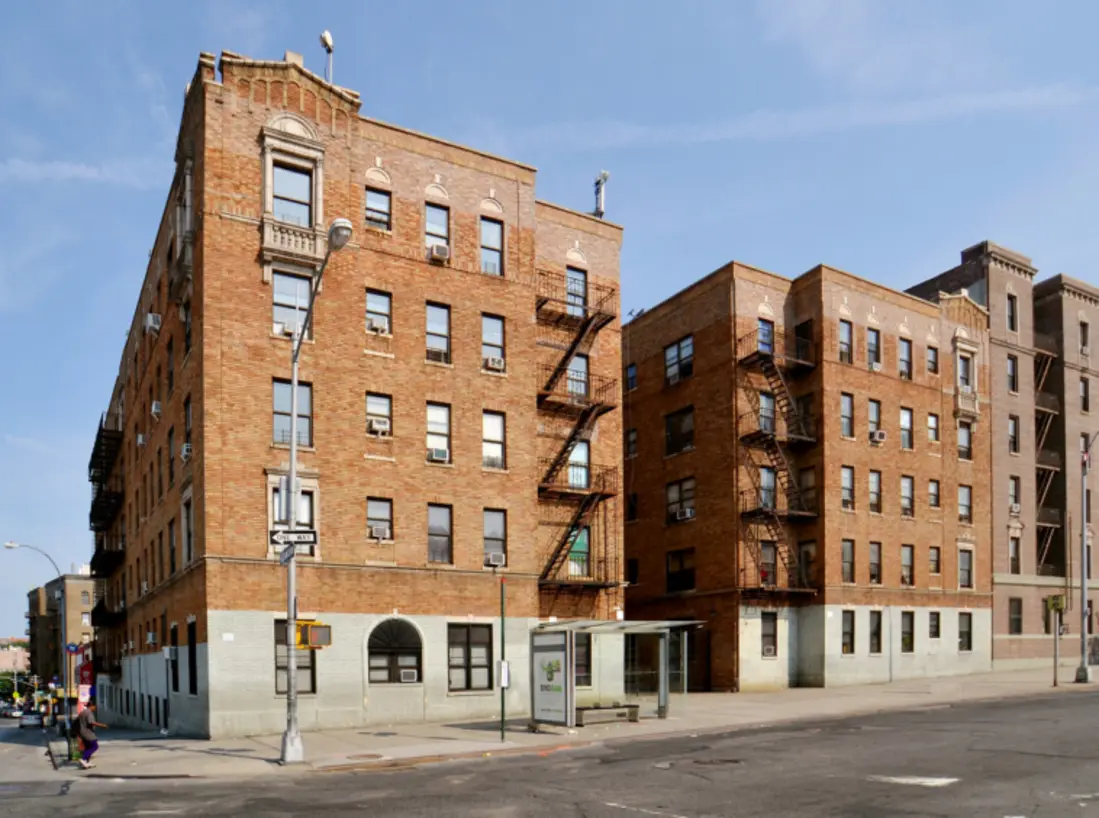
The Bronx has 25 standard ZIP codes. Grouped by area, they cover Riverdale, Kingsbridge, Spuyten Duyvil, Fieldston, Woodlawn, Wakefield, Williamsbridge, Baychester, Eastchester, Co-op City, Pelham Bay, Country Club, City Island, Throggs Neck, Locust Point, Edgewater Park, Morris Park, Pelham Parkway, Allerton, Olinville, Edenwald, Fordham, Bedford Park, Norwood, Belmont, Tremont, Bathgate, Crotona Park East, Morrisania, Melrose, Mott Haven, Port Morris, Hunts Point, Longwood, Soundview, Castle Hill, Clason Point, Harding Park, Parkchester, Westchester Square, Highbridge, Concourse, University Heights and Morris Heights. If your ZIP is in this table, your building type is described somewhere in the area sections above.
| Area | ZIP codes |
|---|---|
| Kingsbridge and Riverdale | 10463, 10471 |
| Northeast Bronx, including Co-op City and Wakefield | 10466, 10469, 10470, 10475 |
| Southeast Bronx, including Pelham Bay, Throggs Neck and Soundview | 10461, 10462, 10464, 10465, 10472, 10473 |
| Bronx Park and Fordham | 10458, 10467, 10468 |
| Central Bronx, including Tremont and Morrisania | 10453, 10457, 10460 |
| Highbridge and Morrisania | 10451, 10452, 10456 |
| Hunts Point and Mott Haven | 10454, 10455, 10459, 10474 |
Who Pays: Owners, Renters, Landlords, Co-ops, and Condos in the Bronx
After the water stops, the second question in every Bronx home is the same: whose problem is this, and whose insurance pays? The answer depends on where the water came from and what kind of home you live in. This section gives the general shape of the rules. It is not legal advice, and for a serious dispute a housing attorney or your insurer's claim handler is the right call. But these are the patterns that decide most real cases. And one rule holds in every housing type: getting the water damage restoration Bronx work started never has to wait for the fault argument to finish.
If you own a house
Your homeowners policy is the centre of the picture. Sudden and accidental water damage, like a burst pipe or a failed water heater, is generally covered for the building damage and often for damaged belongings. Gradual damage, like a leak that ran for months behind a wall, is generally not covered, because insurers treat that as maintenance. Flood water that comes from outside, from a river, the sea or surface runoff, is excluded from standard policies and needs separate flood insurance. A sewer backup is usually covered only if you bought the specific backup endorsement. The practical lesson: the faster a loss is reported and documented as sudden, the cleaner the claim. That single habit does more for a water damage restoration Bronx claim than any other.
If you rent
Your landlord is responsible for the building itself: the pipes, the roof, the structure and the systems, and for keeping the home habitable under New York's warranty of habitability. Your belongings are your own responsibility, which is what renters insurance is for, and renters insurance also commonly covers additional living expenses if the home becomes unlivable. When a leak comes from another tenant's apartment, that tenant and the landlord both enter the picture, and the landlord's and tenant's insurers sort out fault between themselves. Report every leak to the landlord or super in writing, even a small one, and keep a copy. A paper trail protects you if a small leak becomes a ceiling collapse and a dispute about when it started. Renters who keep that paper trail turn a water damage restoration Bronx visit into a documented repair instead of an argument. If repairs stall, New York City tenants can call 311 to file a complaint, and HPD can inspect and issue violations for water leaks and mold conditions.
If you are a landlord
You own the building systems and the duty to repair them. That means fixing the source of a leak promptly, addressing mold conditions as Local Law 55 requires, and restoring the tenant's home to a habitable state. Your building policy generally covers the structure and your liability. It does not cover the tenant's belongings. Landlords who document their response, work orders, plumber visits and drying records, are in a far stronger position with insurers, with HPD and in housing court than landlords who rely on memory.
Co-ops and condos
In a co-op, the corporation owns the building and you own shares and a proprietary lease. The usual split: the corporation is responsible for the building structure and the common systems, including risers and stacks, while the shareholder is responsible for the inside of the unit as their lease defines it, often including fixtures, appliances and finishes, sometimes described as everything from the walls in. Condos follow a similar pattern under their bylaws: the association covers common elements, the unit owner covers the unit interior, and each side carries its own insurance, with the building's master policy and the owner's HO-6 policy dividing the loss. In both cases the practical steps are identical: notify management and the super immediately, get the building's insurance details, open your own claim the same day, and keep every document. Co-op water damage restoration Bronx work runs on that paperwork. When an upstairs neighbour's leak damages your unit, their liability and your own policy interact, and your insurer will often pay your claim and then pursue the responsible party, which is called subrogation.
NYCHA and public housing
In NYCHA housing, the authority is the landlord and owns the building systems and the repair duty. Tenants should report leaks and water damage right away through NYCHA's channels and keep the work order or ticket number, because that record is the timeline of the problem. Personal belongings remain the tenant's responsibility, so renters insurance matters here too. If a condition is not addressed, tenants can call 311, and mold and leak conditions in public housing carry their own oversight history and obligations. Keep your own dated photos of any recurring leak. They are often the clearest record in the room.
The upstairs leak, step by step
The most common Bronx dispute deserves its own short script. Water appears on your ceiling or wall. First, tell the neighbour and the super the same hour, and get the water shut off at the source. Second, document your damage with photos and video before cleanup. Third, notify your own insurer or, if you rent, your landlord in writing. Fourth, let the mitigation happen: drying your home cannot wait for the fault argument to finish, because mold will not wait either. Fifth, keep every invoice and record. Fault gets decided between insurers with the documents you saved, not with the argument in the hallway.
Who pays, by cause: the table
Most Bronx arguments end at this table. It gives the usual answer for each common cause. Your lease, your proprietary lease or your building's bylaws can move a line, and your insurer's reading of the facts decides the claim, but this is where nearly every case starts.
| What happened | Who usually pays | The Bronx detail |
|---|---|---|
| A pipe bursts inside a wall, or a riser or stack fails | The building owner or landlord for the structure and the repair; your own policy for your belongings | Building systems belong to the building. Document the source with photos before it is repaired |
| A radiator leaks in a co-op | The shareholder, almost every time | A co-op attorney writing in Habitat Magazine in 2021 put it at 99.9 percent of the time, usually under Paragraph 18 of the proprietary lease. The super or porter still shuts the water off fastest |
| The upstairs neighbour overflows a toilet, sink or tub | The neighbour who overflowed it | Your insurer may pay your claim first and then recover from the neighbour or their insurer. That recovery is called subrogation |
| The roof, facade or a window leaks | The building owner, landlord or co-op corporation | These are common element failures. In a co-op, the board's duty to keep a unit habitable cannot be waived, even when a neighbour caused the damage, as a Bronx shareholder was told in a 2009 Cooperator question and answer, though a cut in maintenance only comes into play once the co-op has been notified |
| Your own appliance fails, or you overflow your own tub | You, or your insurer; the landlord repairs the structure and may charge the cost back | Keep your renters or unit owner policy current. A landlord's policy covers the building, not your property, unless the landlord knew of a hazard and failed to fix it in reasonable time |
| A sewer backs up, or street flooding enters the home | Your own flood policy or sewer backup endorsement, where you have one | Standard policies exclude rising flood water, which needs a separate National Flood Insurance Program (NFIP) policy. A claim against the city goes to the Comptroller within 90 days, and the storm section above explains the Ida record honestly |
Two clocks run alongside the table. A landlord told about water damage that makes a home uninhabitable is expected to act within 24 hours, and for less severe damage repairs are generally expected within about 30 days. And a tenant whose flooded home is not livable may be entitled to a rent abatement for the period it cannot be used. Both clocks start when the landlord is notified, which is one more reason every notice belongs in writing.
Who to call first, by situation
The first call depends on where the water is and whose building it is in. This is the order that gets water stopped fastest in each case.
| Situation | First call | Why |
|---|---|---|
| A leak in a rental apartment | The landlord, managing agent or super, then 311 if it is not fixed | They control the risers and shutoffs, and a 311 complaint routes the leak to HPD for inspection |
| Water coming through your ceiling | The neighbour above and the super, the same hour | The source is almost always the unit or the roof above you, and only they can shut it off at the source |
| Storm surge or a sewer backup | 911 if anyone is in danger, then a restoration crew and your insurer, and 311 to log the backup | Outside flood water and sewage are Category 3, and the city complaint log supports any later claim |
| A burst pipe in a house you own | Your main shutoff, then a plumber, then a restoration crew, then your insurer | Stopping the water comes before everything, and drying has to start before mold can |
Sorting out a leak that started in another unit? We document the source and the damage in a form insurers and building managers accept.
Call (212) 555-0147 (placeholder)Filing a Water Damage Insurance Claim in the Bronx, Step by Step
Most Bronx homeowners and co-op owners use their water damage insurance exactly once or twice in a lifetime, usually at the worst moment. This is the order that works, gathered from how claims actually move. Nothing here replaces your policy wording, which is the final word on your coverage, but a claim handled in this order rarely stalls. It is the same sequence experienced water damage restoration Bronx adjusters see on the claims that close cleanly.
- Stop the damage from growing. Your policy expects you to take reasonable steps to limit further loss: shut off the water, and get mitigation started. Insurers call this your duty to mitigate, and a home left wet for a week while you wait for paperwork is a home whose extra damage may be argued over.
- Document before you clean. Photos and video of the source, the water, and every damaged item and surface, taken before extraction and before anything is thrown away. Add a slow walkthrough video with your voice describing what you are seeing and when you found it.
- Report the loss promptly. Call the number on your policy or your broker. You will get a claim number and, in time, an adjuster. Write down names, dates and what was said on each call.
- Know your four numbers. Your deductible, your coverage limit for the dwelling, your limit for personal property, and whether you have sewer backup and additional living expense coverage. These four facts shape every decision that follows.
- Let your water damage restoration Bronx crew document like an adjuster. A proper crew produces a moisture map, daily drying logs, photos before, during and after, and an itemised scope of what was removed and why. That file is the shared language between you, the crew and the insurer.
- Meet the adjuster with your evidence ready. Walk them through the source and every affected room. Show the photos from day one, including the items that had to be discarded. If your water damage restoration Bronx crew can be present, even better: technical questions get answered on the spot.
- Keep every receipt. Mitigation invoices, hotel or temporary housing receipts if you had to leave, replacement purchases, and any bill from a plumber who fixed the source. Organise them in one folder, physical or digital.
- Do not sign a final settlement in a hurry. Hidden damage sometimes appears when walls are opened for repair. Most policies allow supplemental claims when genuinely new damage from the same loss is found and documented.
What is usually covered, and what usually is not
Sudden events sit at the centre of most policies: a burst pipe, a broken appliance hose, a water heater that fails, rain that enters through a storm damaged roof. Outside flood water is the big exclusion, handled by separate flood insurance through the National Flood Insurance Program or a private flood policy, and many Bronx homes near the rivers and the shore carry it because their mortgage requires it. Sewer backup usually needs its own endorsement. Gradual leaks, long term seepage and damage from a condition you knew about and left alone are usually denied as maintenance. Mold is often covered only as a limited add on, and only when it results from a covered water loss. The pattern to remember: sudden, accidental and promptly reported is the combination insurers are built to pay. A water damage restoration Bronx loss with those three qualities is the easiest claim an adjuster handles all month.
If your claim is denied or underpaid
Ask for the denial in writing with the exact policy language relied on. Compare it against your documentation. Many disputes turn on whether the loss was sudden or gradual, and your dated photos, plumber invoices and drying logs speak directly to that question. You can complain to the New York State Department of Financial Services, which regulates insurers, and for large or contested claims a licensed public adjuster or an attorney can represent you. Keep communicating in writing so the record stays clear. Good records are the difference between a paid water damage restoration Bronx claim and a long argument.
The claim clock: the deadlines that actually exist
Insurance runs on clocks, and Bronx claimants lose money by missing them, so here they are in one place. Immediately: notify your insurer as soon as you find the loss, and get mitigation started in parallel. Filing the claim while drying is under way, rather than before it starts, is the order that works, because a home left wet while paperwork crawls gets worse and gives the insurer grounds to argue about the extra damage. 15 business days: under New York Insurance Law 2601 and Regulation 64 (11 NYCRR 216), your insurer must acknowledge your claim within 15 business days, and Insurance Law 2618 sets its own 15 business day clocks for losses from a natural disaster. Insurance Law 3420(d) does not set this clock: it is the timely disclaimer rule for bodily injury under liability policies only, requiring disclaimer as soon as is reasonably possible, and it does not apply to property damage claims and contains no 15 day figure. 30 days: a new National Flood Insurance Program policy normally has a 30 day waiting period before it takes effect, so flood cover bought after a storm warning is cover for the next storm, not this one. NFIP cover also carries special limits for basements, which is why the adjuster will separate basement contents from the rest of the home. 90 days: a claim against the city for sewer or street flooding goes to the Comptroller within 90 days, as the storm section explains. And if an insurer's behaviour crosses from slow into unfair, the New York State Department of Financial Services takes complaints and runs a consumer hotline for exactly that purpose.
Water Behind Walls, and the Mold That Follows It
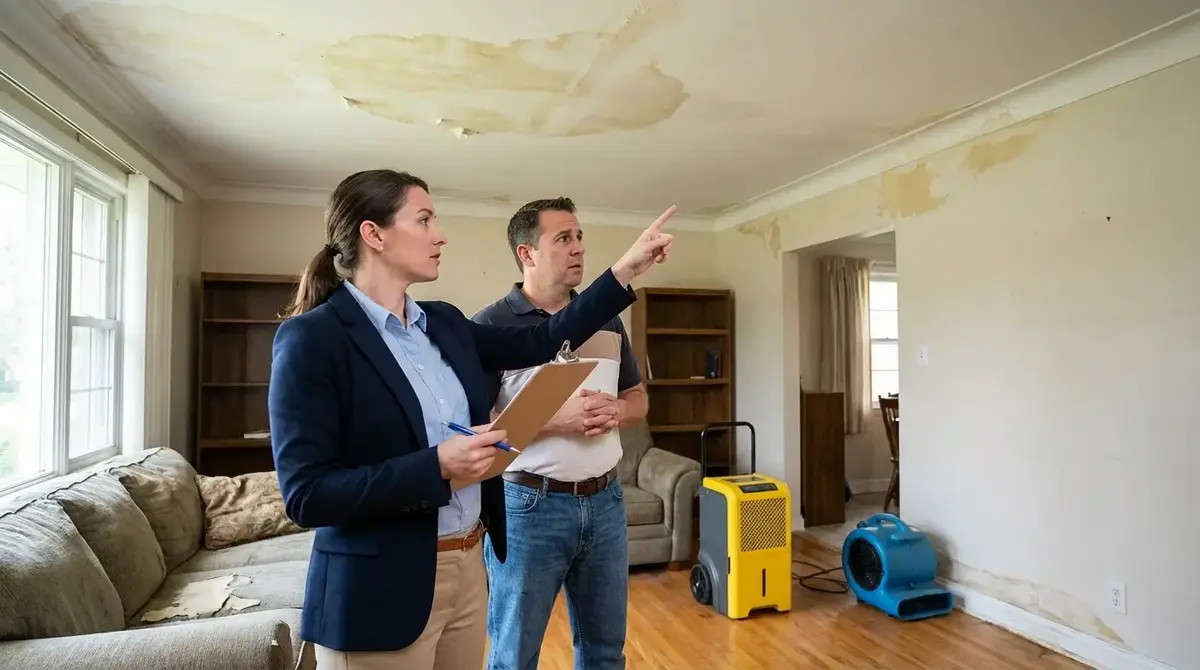
The water you can see is rarely the whole loss. Water travels along pipes, framing and the tops of ceilings, and it collects inside wall cavities where plaster, drywall and insulation hold it like a sponge. A Bronx pre-war wall, plaster over lath with a century of paint on it, can look almost normal while the cavity behind it is soaked. That is why professional water damage restoration Bronx work is built around meters and maps rather than eyeballs, and why the phrase test before you tear, borrowed from the best restoration teaching videos, is the rule: measure first, open only what the readings condemn, and dry the rest in place.
Signs water is hiding behind a wall
- A musty smell in one room or one corner that cleaning does not remove
- Paint bubbling, blistering or peeling at the base of a wall, or wallpaper lifting at a seam
- A stain that grows, darkens after rain or after the upstairs bathroom is used, or comes back after painting
- Baseboards swelling, separating from the wall, or showing dark lines at the floor joint
- A patch of floor that feels soft, springy or cold compared with the rest
- White or green growth at the base of a wall, behind furniture, or inside a closet on an outside wall
How hidden water is dried
Where readings show a wet cavity and the materials are sound, water damage restoration Bronx crews dry the wall in place: baseboards are carefully removed, small holes are drilled at the base of the cavity, and warm dry air is pushed in through a hose system while dehumidifiers handle the room. Where plaster or drywall has lost its strength, where insulation is soaked, or where the water was contaminated, the honest answer is a flood cut: the lower section of the wall is removed in a clean line, the cavity is cleaned and dried, and the wall is rebuilt after verification. The lessons from widely watched restoration case study videos are consistent on this point: the wet test with a meter decides, guesswork does not. If you want to see the techniques explained on screen, Home RenoVision DIY walks through the wet test and the flood cut on YouTube, and the principles shown there are the same ones described here: find it with meters, open only what is wet, dry it with moving air, and prove it dry before closing. There is no prominent Bronx case study video to point you to. Searches for one in November 2026 turned up generic pipe leak clips and storm news footage, not a Bronx restoration job filmed start to finish, which is one more reason this page puts the method in writing instead.
Test before you tear: the wet test, the flood cut, and what to check first
The wet test takes ten seconds and settles arguments. Press a paper towel or a tissue firmly against the wall or the baseboard. If it comes away wet, water is still moving behind the surface, whatever the paint looks like. A moisture meter then maps how far the wet area reaches, in the wall, in the floor and in the unit below. Only after that map exists should anyone cut. Where the bottom of a wall has wicked water up from the floor, the wet section rarely dries in place, because the insulation and the bottom plate hold the water against the studs. The standard answer is the flood cut: the wall is cut at doorknob height, about three feet up, in one clean line, so the wet lower section comes out, the cavity can be cleaned and dried, and the sound upper section stays. One cut at the right height replaces a wall full of exploratory holes.
In a Bronx pre-war building, one more step comes before the saw. Homes built before 1978 may carry lead based paint, buildings from before 1986 are more likely to hold lead pipes, fixtures and solder, and asbestos can sit in old floor tiles, pipe insulation and plaster. Cutting first and asking later spreads exactly the dust those rules exist to contain. So the order on an old Bronx wall is: test the moisture, test the materials where the age of the building calls for it, then cut, clean, dry and verify. Test before you tear is not a slogan. In a borough where the median multifamily building is 87 years old, it is the whole method.
Mold: timing, rules and honest answers
Mold spores are everywhere, indoors and out. What they need to grow is moisture and food, and a wet wall provides both. Growth can begin in 24 to 48 hours on wet drywall paper, plaster, wood and dust, the same 24 to 48 hour window the EPA gives for drying wet materials before mold takes hold, which is why drying speed matters more than any spray. Visible mold after a flood is handled by removing the affected porous material under containment, cleaning the structure, and fixing the moisture source. Painting over mold, or fogging a room while the wall stays wet, treats the symptom and leaves the cause. Mold after water damage in the Bronx is a moisture problem wearing a disguise.
New York has specific rules. Under state law, mold remediation projects above a small size require a licensed mold remediation contractor, a licensed mold assessor who writes the work plan and later confirms the job is done, and the two cannot be the same company on the same job. Under Local Law 55, New York City landlords must keep homes free of mold and the damp conditions that cause it, must fix underlying leaks, and must follow safe work practices when they remediate, with larger jobs in rentals requiring licensed professionals and proper notice. Tenants who cannot get a leak or mold condition addressed can call 311 for an HPD complaint. For health questions, the pattern is simple: people with asthma, allergies or weakened immune systems are affected most, children and older adults deserve extra care, and anyone who feels unwell in a moldy home should talk to their doctor and treat the moisture problem as urgent.
A Bronx Water Damage Calendar: What Each Season Brings
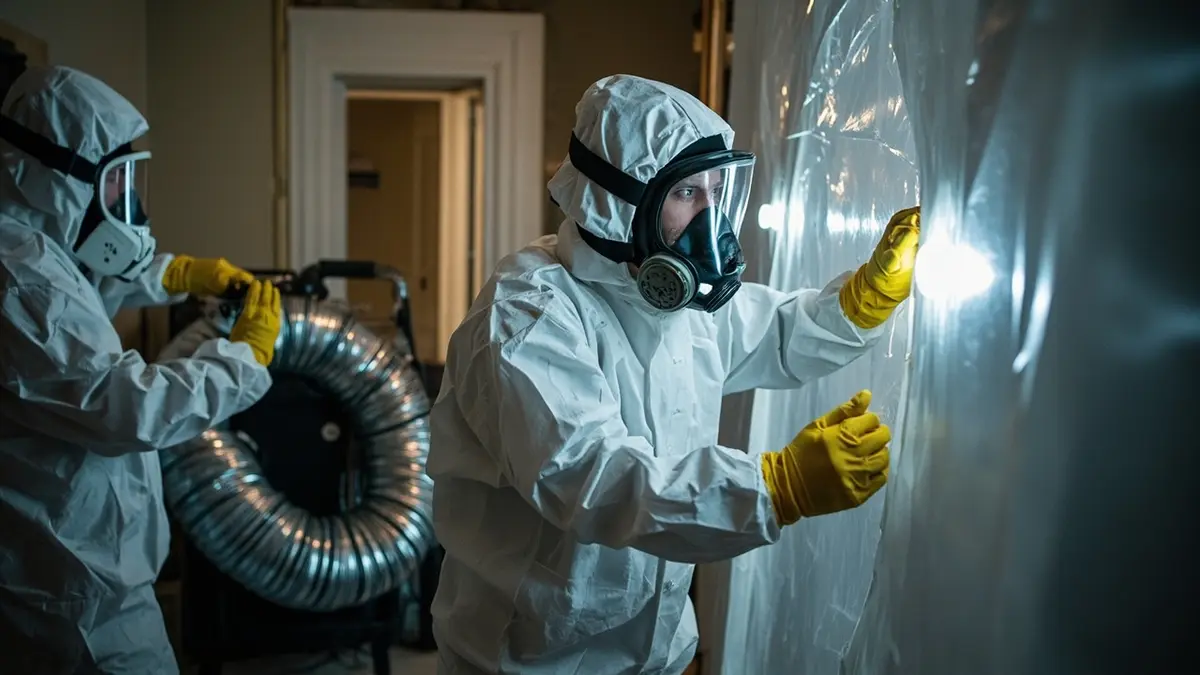
Every Bronx season has its own water damage pattern: winter splits pipes and strains steam heat, spring tests roofs and raises groundwater, summer backs up sewers, and autumn sends nor'easters and the first heating leaks of the year.
Winter: frozen pipes and steam season
The coldest weeks split pipes in unheated spaces, vacant units and exterior walls, and the flood often starts at the thaw. Steam heating runs hardest, so radiator valves, traps and returns leak most. Keep heat on in every room, let a trickle run from taps on the coldest nights in vulnerable spots, and know that a hissing radiator valve in January is a repair, not a quirk. Winter is peak season for water damage restoration Bronx work, and crews are busiest exactly when the pipes are coldest.
Spring: rain, thaw and roof season
Long spring rains test flat roofs, clogged drains and parapets. Groundwater rises, and basements that stayed dry all winter begin to seep. This is the season to clear roof drains, check the sump pump before you need it, and watch basement walls after multi day rain.
Summer: storms, humidity and air conditioners
Thunderstorms drop water faster than drains accept it, and sewer backups peak. Window and split air conditioners drip condensate into walls when their drains clog. Humidity slows every water damage restoration Bronx job and feeds mold in any home that stays damp. Hurricane season opens in June, and the borough's worst modern floods have come from late summer storms.
Autumn: leaves, nor'easters and heating start up
Leaves clog roof drains and street catch basins, the first nor'easters push tides into the low shore neighbourhoods, and heating systems fire up after months idle, revealing every weak valve and trap. October is the month to service the boiler, test the sump, and walk the roof before winter makes it urgent.
For Bronx Landlords and Property Managers
Water damage in a rental building is a systems problem with a legal frame around it. The landlords and managers who handle it well share a few habits. They keep a current map of every shutoff in the building, riser by riser, and they make sure the super and at least one backup person can reach them at 2 in the morning. They log every leak report with a date, because the log is what turns a he said, she said dispute into a timeline. They treat drying as part of the repair, not an optional extra, because a unit that is patched while still wet becomes a mold complaint, an HPD violation and a rent dispute in one package. Under Local Law 55 they fix the moisture source and remediate mold with the required practices and, where the size of the job requires it, licensed professionals. And they communicate with tenants in writing at each step: what happened, what was done, what happens next. Buildings run this way produce fewer emergency water damage restoration Bronx calls, and smaller ones when they happen.
For buildings with many units, a standing relationship with a water damage restoration Bronx company is worth more than a scramble through search results during a flood. The first water damage restoration Bronx visit should produce a written scope, moisture documentation for every affected unit, and a drying log the building can keep with its records. Those records protect the building with its insurer, with the city and with its own residents.
Prevention: The Cheapest Restoration Job Is the One That Never Happens
Most Bronx water losses leave a warning before they leave a flood. This checklist is written for real Bronx housing, and an afternoon spent on it each autumn is the best money in this entire page, because it is nearly free, and it is the reason many water damage restoration Bronx calls never have to happen at all.
- Know your shutoffs. Find the main water shutoff for your home or unit, label it, and make sure every adult in the home knows where it is. In an apartment, learn which valves the super controls and keep the super's number in your phone.
- Replace washing machine hoses on a schedule. Rubber hoses age out. Braided stainless hoses, replaced every few years, and a habit of closing the valves when you travel, remove one of the most common upper floor floods.
- Put a water alarm where water starts. Small battery alarms under sinks, behind the washing machine, beside the water heater and near the sump pit cost little and shout early. Leak sensors that message your phone are better still.
- Service the water heater. Tanks have a working life, and they usually fail by leaking. Know the age of yours, watch for rust at the base, and plan replacement before it plans it for you.
- Keep drains honest. Never pour cooking grease into a sink. Use strainers, run hot water after greasy washing up, and treat a slow drain as a message, not an inconvenience.
- Protect the basement. Test the sump pump by pouring in a bucket of water. Consider a battery backup pump, because pumps fail most often during the storms that cut the power. Ask a plumber whether a backwater valve suits your building, especially in the low and valley neighbourhoods.
- Grade and gutters. In houses, soil and paving should slope away from the foundation, and downspouts should discharge well away from the walls, not beside them.
- Watch the quiet spots. Look under sinks monthly, check the caulk around tubs and showers, and glance at the ceiling below every bathroom. A two minute look finds the leak while it is still a stain.
- Winterise. Insulate pipes on outside walls and in unheated spaces, seal drafts that blow cold air onto plumbing, and keep a minimum heat in any unit that stands empty.
- Keep the paperwork ready. A current inventory of major belongings with photos, stored in the cloud, turns a contents claim from archaeology into administration. Prevention is the only water damage restoration Bronx job that takes an afternoon instead of a week.
Three Typical Bronx Jobs, Start to Finish
Three call types produce most Bronx restoration work: a stack leak in a pre-war tower, a sewer surcharge in a low valley basement, and storm surge in a shoreline home.
These are composite examples built from the most common Bronx call types. The addresses are not real, but every step, problem and decision in them is drawn from how these jobs genuinely run on real water damage restoration Bronx calls. They show what good looks like, so you can recognise it when a crew is standing in your home.
Job one: the Grand Concourse stack leak
A fifth floor kitchen ceiling in a 1930s Concourse building showed a brown stain that grew over two weeks. The meter survey found the wall wet from the ceiling to the floor and the same line of kitchens wet one floor up and two floors down. The source was a cracked cast iron stack inside the wall, leaking at a hub joint every time the upper kitchens drained. The building shut the stack line for a day while a plumber replaced the failed section. In the affected units, the wet plaster at the wall bases was opened with clean cuts, the cavities were cleaned and dried with vented air for four days, and daily readings were shared with management and each tenant. Because the loss was documented as a building system failure with dates and readings, the building's insurance handled the structure and each unit's finishes were sorted under the co-op's rules without a fight. Lesson: in a stacked building, the moisture map across all the affected units is what turns a blame argument into a work plan. It is also a model of how water damage restoration Bronx work should be documented in any stacked building.
Job two: the Kingsbridge valley basement
A two family home near Broadway in Kingsbridge took water through its floor drain during a night of extreme rain, the classic valley surcharge. By morning the finished basement held several inches of black water, and the furnace had shut down. The crew treated it as Category 3 from the door: containment, removal of the wet carpet, pad and lower drywall, extraction, a full wash and disinfection of the concrete and block, then five days of drying with readings. The owners used the rebuild to make two changes that mattered more than new paint: a backwater valve on the house drain, and a sump with a battery backup. Their claim ran under their sewer backup endorsement, and the documentation from day one, photos of the drain surcharging included, kept it straightforward. Lesson: after a backup, restoring the room without fixing the pathway is an invitation to repeat the whole experience.
Job three: the City Island storm flood
A nor'easter pushed the Sound into the ground floor of a City Island cottage: part kitchen, part storage, all of it soaked with salt water and silt. Salt changes the job. Every surface needed fresh water rinsing as part of cleaning, because salt residue corrodes metal and pulls moisture from the air. Appliances that sat in salt water were assessed honestly and most were replaced rather than trusted. The floor structure, joists over a crawl space, took the longest to dry and was verified joist by joist before the new floor went down. The owners rebuilt with the next storm in mind: removable lower wall panels in the storage area, stored items raised on shelving, and a flood alarm by the door. Lesson: coastal restoration is as much about the rebuild choices as the cleanup, because the water will visit again. City Island water damage restoration Bronx jobs are planned with the next tide in mind, always.
Room by Room: Where Water Hides in a Bronx Home
Water hides in predictable places in a Bronx home: under kitchen cabinets, behind bathroom tile, across basement floors, and inside the closets and wall cavities nobody opens, and a proper water damage restoration Bronx survey checks each of them with a meter, not a glance.
Kitchens
The kitchen concentrates water lines: sink supply and waste, the dishwasher, the refrigerator ice maker, and in many Bronx apartments the washing machine as well. Leaks here hide under cabinets and travel along the floor to the room below. After any kitchen leak, the cabinet bases and the floor beneath appliances need meter checks, not a glance. A swollen cabinet floor or a musty smell at the sink base is a leak that has been running for a while. Kitchens start more water damage restoration Bronx jobs than any other room in the borough.
Bathrooms
Tubs, showers, toilets and the stacks behind them make bathrooms the most common source room in apartment buildings. Failed caulk and grout let shower water into walls daily, in small doses that rot framing slowly. A toilet that rocks on its base has usually broken its wax seal and is leaking into the floor with every flush. In pre-war Bronx bathrooms, the original tile may sit on a deep mortar bed that holds water like a reservoir, which is why bathroom losses can take longer to dry than they look.
Basements and cellars
Below grade rooms collect every kind of water: sewer surcharge, seepage, pipe bursts overhead and appliance failures of their own, since the boiler, water heater and laundry usually live there. The Bronx distinction that matters: a basement has at least part of a wall above ground with windows, while a cellar is mostly below grade, and the legal rules for living in them differ. Whatever the label, a finished below grade room is the most expensive square footage in the house when water arrives, and the first place to spend prevention money. Basement water damage restoration Bronx work is its own specialty for exactly that reason.
Living rooms and bedrooms
These rooms usually receive water rather than make it: from the radiator at the wall, the unit above, the window wall in a storm, or the hallway after a burst down the corridor. Radiator leaks deserve respect. A steam or hot water radiator that leaks quietly under a wood floor can buckle boards and feed mold for a whole season. After any wet event in these rooms, the checks that matter are under the floor covering, at the baseboards, and behind the large furniture nobody moves.
Closets, hallways and the spaces nobody opens
Water loves the rooms nobody inspects. Closets on outside walls grow mold from condensation alone in winter. The closet that holds the water heater or the stack access panel hides leaks for months. Hallway ceilings carry the pipes and stacks of the whole building line. Any musty smell with no visible source deserves a meter survey of exactly these spaces. Hidden spaces are where Bronx water damage hides longest, and where a meter survey earns its keep.
Questions Bronx Homeowners Ask Online, Answered Properly
These are the questions people type into forums, question sites and how to guides at midnight with a towel on the floor. They are answered here the way a good technician would answer them at your door, in full sentences, without the sales talk. They are the questions water damage restoration Bronx crews hear on the doorstep, collected in one place.
My ceiling is leaking from the apartment above. What do I do first?
Tell the neighbour and the super immediately, because the fastest fix is shutting the water off at its source above you. Move belongings out from under the drip, put a bucket under it, and photograph the ceiling, the walls and anything damaged. If the ceiling bulges, stay out from under it: a water filled ceiling can come down, and a technician can release it safely by piercing the lowest point over a bucket. Then report it in writing to management and your insurer, and get the drying started in your unit even while the source repair happens above.
Can I dry a flooded room myself with a fan and a shop vacuum?
For a small, clean water spill caught in the first hours, on a hard floor, yes, careful home drying can be enough. The honest limits: a household fan cannot dry inside a wall, a shop vacuum cannot pull water out of carpet pad and subfloor the way a weighted extractor does, and you have no meter to prove the structure is dry. The failures we see are the jobs that looked dry on the surface and grew mold inside the wall. If the water touched drywall, plaster, carpet or more than one room, or if it sat for more than a day, get a professional water damage restoration Bronx survey. The inspection is free, and it tells you whether the home route is safe.
How long does drying really take?
Most clean water losses dry in 3 to 5 days of machine time. Hardwood, plaster and lath, and water trapped in layered floors take longer, and sewage or storm losses add cleaning days before drying starts. Anyone who gives you an exact number of days before taking the first readings is selling, not measuring. The right answer is a drying plan with daily readings, and a finish line defined by numbers: each material back to its dry standard.
The water is gone but the smell stays. Why?
Because something is still wet, or something that got wet was left in place. Odour after a flood comes from bacteria and mildew working on damp material: a carpet pad that was not removed, a wall cavity still holding moisture, a cabinet base that never dried. Perfume and ozone machines do not fix a wet source. Find the remaining moisture with a meter, remove or dry the material, and the smell leaves with it.
My landlord is ignoring a leak. What are my options?
Put the complaint in writing and keep a copy, with dates and photos. If the response stalls, call 311 and file a complaint: HPD can inspect and issue a violation for leaks and for mold conditions, and Local Law 55 obliges the landlord to fix the moisture source, not just the stain. For serious or repeated failures, a housing attorney or a tenants' advice service can explain repair and rent remedies. Keep your own dated photo record throughout. It is the strongest evidence you own, and any water damage restoration Bronx crew will ask to see it.
Is the water from a sewer backup dangerous?
Yes. Treat any backup that comes through a drain or toilet as contaminated, keep children and pets out of the area, avoid skin contact, and do not try to save porous items that soaked it: carpet, upholstery, cardboard, soft toys. Hard surfaces can be cleaned and disinfected. The cleanup belongs to a crew with protective equipment and proper disposal, and the area needs disinfection before drying, not after.
Should I open the wall myself to check for mold?
Not blindly. Cutting into a moldy cavity without containment spreads spores through the home. Start with a moisture survey from the surface: meters and a camera find the wet areas without opening anything. If opening is needed, it should be a small, controlled inspection cut, in a contained area, by someone equipped for it. The principle from every good restoration guide and case study is the same: test before you tear.
What should I throw away after a flood?
After clean water: food that got wet, damaged particle board furniture that swelled, and anything that stayed wet long enough to grow mold. After grey or black water: add mattresses, pillows, upholstered furniture, carpet and pad, stuffed toys and paper goods that soaked. Photograph everything before disposal for your claim. When in doubt about a high value item, ask your water damage restoration Bronx crew and your adjuster before it goes to the curb, because a discarded item cannot be inspected later.
What Decides the Size of a Restoration Job
People understandably ask what a job will involve before anyone has seen the home. No honest crew can scope a loss from a phone description, but these are the factors that decide the size of every job, so you can judge any proposal against them. Every water damage restoration Bronx proposal you receive is some mix of these seven factors.
- How much water, and for how long. A hose that ran for twenty minutes and a pipe that ran all weekend are different losses in the same room.
- The category of the water. Clean water allows drying in place. Black water requires removals, disinfection and disposal, which is a larger and slower job.
- The materials involved. Tile and concrete forgive. Hardwood, plaster, lath, insulation and layered floors hold water and take time, skill and sometimes removal.
- How far the water travelled. In stacked Bronx buildings the footprint often includes the units below and the wall cavities between them, and access to those spaces shapes the schedule.
- How fast mitigation started. Every day of delay converts drying into demolition and adds mold risk. The same loss handled on day one and day six is two different jobs.
- What the building requires. Co-op and condo rules, elevator reservations, work hours, insurance certificates and management approvals all shape how work proceeds in larger Bronx buildings.
- The rebuild scope. Drying is the middle of the story. Replacing floors, rebuilding walls, restoring kitchens and bathrooms is its own project with its own trades and permits where the city requires them.
A trustworthy proposal explains which of these factors is driving your scope, shows you the readings behind it, and separates the mitigation from the rebuild so you can see each clearly. A proposal that cannot explain itself in these terms deserves a second opinion.
City Agencies and Records That Matter in a Bronx Water Event
In a Bronx water event, five doors matter: 311 takes the complaint, DEP owns the sewers, HPD enforces repairs in rentals, DOB covers building safety and regulated repairs, and the Comptroller takes claims against the city. 311 is the front door for city help and complaints: sewer backups on city mains, street flooding, catch basin problems, and housing complaints about leaks and mold. Keep the service request number. The Department of Environmental Protection (DEP) owns the water mains, sewers and catch basins: a broken main flooding a street, or a city sewer surcharging into homes, is DEP territory, and their crews handle the street side while your water damage restoration Bronx crew handles your home. HPD enforces housing maintenance in rentals, including leak and mold violations under Local Law 55. DOB enters the picture when repairs touch structure, plumbing systems or regulated work, and when a building's condition becomes unsafe. The Office of Emergency Management coordinates the city's response to major storms and publishes the flood maps and preparedness guidance worth reading before hurricane season. After a declared disaster, federal help may flow through FEMA, and flood insurance claims run through the National Flood Insurance Program or your private flood carrier. Knowing which door to knock on saves days when a whole street is wet at once. A good water damage restoration Bronx company will also tell you honestly when your problem belongs to an agency and not to a crew.
Plain Language Glossary for Water Damage Terms
These are the words a water damage restoration Bronx crew, an adjuster or a building manager will use about your job, translated into plain language.
- Mitigation: the emergency work that stops damage from growing: extraction, removals, cleaning and drying.
- Moisture mapping: a measured survey of where water went, recorded with meter readings on a sketch of the home.
- Dry standard: the normal moisture level of an unaffected sample of the same material, used as the target for drying.
- Flood cut: a straight cut that removes the wet lower section of a wall, usually at two feet, so the cavity can be cleaned and dried.
- Air mover: a fan built to push a fast sheet of air across wet surfaces.
- Dehumidifier (LGR): a machine that pulls moisture from the air and drains it away; low grain refrigerant models dry air far below household levels.
- Containment: a sealed plastic barrier around a work area, often under negative air pressure, that keeps dust and spores from spreading.
- Antimicrobial: a treatment applied to cleaned surfaces to discourage bacterial and mold growth during drying.
- Backwater valve: a valve on a drain line that lets water out but blocks a surcharging sewer from pushing water back in.
- Stack: the vertical pipe that carries waste water down through a building; the riser is the matching vertical supply pipe.
- Subrogation: when your insurer pays your claim and then pursues the party at fault to recover the money.
- Pack out: the inventoried removal, storage and return of your belongings while work happens.
Water Damage in Bronx Shops, Restaurants, and Small Buildings
Commercial water damage adds two pressures a home does not have: the clock of lost business, and the rules of health and building inspectors. A burst pipe over a Fordham Road shop soaks stock as well as ceilings. A flooded Arthur Avenue restaurant kitchen is a health department matter the moment food contact surfaces get wet. A Hunts Point warehouse flood can involve forklifts, racking, stored food and a floor that must be verified dry and sanitised before operations resume. The restoration sequence is the same one used on residential water damage restoration Bronx jobs, extraction, cleaning, drying, verification, but the documentation carries extra weight, because insurers, landlords and inspectors all read it. Small building owners should also know that a commercial claim runs on the building's commercial policy, with its own deductibles and its own rules about business interruption, which is one more reason to report the loss the same day and keep every record. For mixed use buildings, the most common Bronx pattern of homes over shops, a single stack or roof failure can create a residential claim and a commercial claim from the same water, and coordination between the two insurers starts with one good moisture map. Commercial water damage restoration Bronx work runs on documentation, because three parties read every page.
Health and Safety While Your Home Is Wet
A wet home is a workplace and a hazard zone at the same time. Electricity and water are the first danger: keep clear of wet outlets, appliances and panels, and let the power stay off in flooded areas until an electrician or the water damage restoration Bronx crew confirms it is safe. Gas appliances that stood in water, boilers and water heaters especially, need inspection before they are fired again, because flood water damages their controls in ways that are not visible. Slips, hidden holes in softened floors, and sharp debris under murky water are the everyday injuries of flood cleanup, so wear closed boots and gloves for any contact with flood water, and wash well afterwards. Sewage and storm water deserve real respect: keep them off skin, out of kitchens, and away from children and pets until cleaning and disinfection are done. Finally, look after the people side. A flooded home is exhausting and upsetting, decisions get made under stress, and the families who do best are the ones who document early, ask questions freely, and let professionals carry the heavy and dirty parts. Safety is not a footnote to water damage restoration Bronx work; it is the order the work happens in.
After Drying: The Rebuild, Done in the Right Order
Rebuild starts only on verified dry readings. Closing a wall that is still wet is how a water damage restoration Bronx job becomes a mold remediation a month later. The order that works: first, any plumbing or system repairs that caused the loss, tested under pressure before walls close. Second, framing and subfloor repairs, with any warped or weakened material replaced rather than covered. Third, insulation and wallboard or plaster, finished and primed with a mould resistant primer where the room is damp prone. Fourth, flooring, in the right sequence for the material: hardwood needs acclimatisation time in the room before installation, and tile needs its waterproofing and slope checked in wet rooms. Fifth, cabinets, trim, doors and fixtures. Sixth, paint and final finishes, then a final clean. In co-ops and condos, expect the building to require plans, insurance certificates and sometimes an alteration agreement before rebuild work begins, and some work needs Department of Buildings filings by licensed professionals. Build those approvals into the schedule early so the drying is not followed by a paperwork stall. A rebuild that follows verified drying is what completes water damage restoration Bronx work properly.
Storm Readiness Checklist for Bronx Homes
The borough's worst water arrives with weather warnings attached, which means it can be prepared for. When a major storm or coastal flood watch is issued for the Bronx, work this list. Storm flooding is the one kind of water damage restoration Bronx work you can see coming, so it is the one kind with no excuse for being unprepared.
- Clear the drains you control: basement floor drains, window wells, yard drains and the area in front of your building's catch basin if leaves have buried it.
- Test the sump pump and its backup. Move stored items off the basement floor onto shelving or pallets, and get documents, photos and medicines upstairs.
- In a below grade or basement apartment, plan where you will go if water enters. Never sleep in a basement room during an extreme rain warning if your home has flooded before, and never try to ride out rising water below street level. The Ida storm taught the city this lesson at terrible cost.
- Charge phones, keep a flashlight and batteries dry and upstairs, and know how to shut off your water and power.
- In the coastal neighbourhoods, City Island, Edgewater Park, Locust Point, Clason Point and the Hunts Point shore, follow city evacuation guidance for your zone and move cars to high ground early.
- After the storm, photograph everything before cleanup, treat all outside flood water as contaminated, and beware of scams: major storms attract unlicensed operators, and a real water damage restoration Bronx company will show identification, insurance and a written scope without pressure.
Deep Dives: Plaster Walls, Steam Heat, and the Apartment Stack Leak
Three building systems explain a large share of repeat water damage restoration Bronx calls in older housing: plaster and lath walls that dry slowly, steam heat that leaks quietly all winter, and the shared waste stack that can wet five homes from one failure.
Plaster and lath: the pre-war wall problem
A plaster wall is not a drywall wall. It is layers of wet plaster pushed into wood or metal lath a century ago, and it holds water differently: slower to soak, much slower to dry, and heavy enough that a saturated ceiling is a collapse risk. Drying plaster in place is often possible with vented cavity air and patience, and it preserves original mouldings and finishes that cannot be replaced. The decision between drying and cutting is made on readings and on the strength of the plaster keys holding it to the lath. A crew that knows pre-war construction will test both before proposing either, and in the Bronx, where half the housing stock is pre-war, that knowledge is not optional. Plaster knowledge is water damage restoration Bronx knowledge.
Steam heat: the winter leak machine
Steam systems heat beautifully and leak enthusiastically. The common failures are radiator air vents that spit water, valve packings that weep all season, traps that fail and let steam blow into returns, and return lines that rot from the inside in basements and crawl spaces. Most steam leaks are small, chronic and hidden, which makes them mold feeders. The fix culture matters: a building that treats a weeping valve as a same week repair spends its money on valves, while a building that ignores them spends it on ceilings. Steam is the quietest source of water damage in the Bronx, and the most ignored.
The stack leak: why one pipe wets five homes
In a stacked apartment building, every kitchen and bathroom in a line shares one waste stack and one set of supply risers. A failure anywhere in that line expresses itself in the units below, following gravity and the pipe chase. That is why a proper response to an apartment leak is building wide: identify the line, test the units above and below, and document the whole footprint. It is also why the fastest thing a tenant can do is report early. The difference between a one unit drying job and a five unit remediation is usually just time.
Choosing a Restoration Crew in the Bronx: The Full Checklist
Choosing a water damage restoration Bronx company while your floor is wet is hard, so use this list. When several companies are a phone call away, these are the questions that separate a professional operation from a man with a fan.
- Does a person answer around the clock, and do they ask about the source, the category of water and safety before quoting anything?
- Will the first visit include moisture meters and a written moisture map, not just a visual once over?
- Do they explain the category and class of your loss and tie their scope to a standard like the IICRC S500?
- Will you receive daily drying readings and a final drying log for your insurer?
- Are they insured, and can they provide certificates in the form your co-op, condo or landlord requires?
- For mold work, do they follow the New York licensing structure, with assessment and remediation kept properly separate?
- Do they separate the mitigation scope from the rebuild, explain both, and put the scope in writing before work starts?
- Do they handle sewage and storm water with containment, protective equipment and proper disposal?
- Can they explain, in plain words, what happens if hidden damage is found when a wall is opened?
A company that welcomes these questions is telling you how it works. A company that dodges them is also telling you. Ask these questions of every water damage restoration Bronx company you call, including this one.
Before You Call: What to Have Ready
You do not need paperwork to make the call, and in an emergency you should call first and gather later. But if the water has stopped and you have a minute, these details make the first visit faster and more useful: the address and the best access route for equipment, where the water came from and whether it is stopped, which rooms are wet, the type of building and floor you are on, whether the super or management has been told, your insurance company and claim number if you have one, and any health concerns in the home, such as asthma, infants or older residents, that the crew should plan around. Photographs you took in the first hour are worth sending ahead if the company gives you a way to send them. Those details help a water damage restoration Bronx crew arrive with the right truck, the right machines and the right plan.
Ready when you are. Free inspection, honest readings, and a written scope before any work begins.
Call (212) 555-0147 (placeholder)HPD, Local Law 55 and Local Law 61: the Rules Behind a Bronx Leak
When a Bronx landlord will not fix a leak, the argument stops being a hallway conversation and becomes a city record. The Bronx generated more HPD violations than any other borough in 2024: 359,197 of them, counted from the city's own Housing Maintenance Code open data. That number tells you two things. Bronx buildings are old and heavily inspected, and the complaint path works often enough that tenants use it at scale. The path is simple: notify the landlord or super first, in writing. If the leak or the mold is not fixed, file online or call 311. HPD routes apartment leaks to its inspectors, and if anyone is in danger at any point, the call is 911, not 311.
The violation classes, and their clocks
| HPD class | Meaning | Time to correct |
|---|---|---|
| Class A | Non-hazardous conditions | 90 days |
| Class B | Hazardous conditions | 30 days |
| Class C | Immediately hazardous conditions | 24 hours, with mold, lead paint, pests and window guards at 21 days |
Those are the legal clocks. The 2024 record shows how the real ones run: the median Class B violation took 120 days to close and the median Class C took 92 days, with 23 percent of Class C violations still open at the count. Keep your own dated photos and your 311 complaint number, because a tenant's timeline is often the clearest evidence in the file. A worked example makes the scale real: 424 Grand Concourse, a five storey, 28 unit building from 1905, carries 104 recorded HPD violations, against a Mott Haven average of 56.3, and its record for 2026 alone shows repeated water leaks, two of them heavy flow, and a mold outbreak in one apartment in March 2026. That is what an ordinary Grand Concourse pre-war file looks like, and it is why a leak in one of these buildings should be reported the day it appears.
What Local Law 55 and Local Law 61 require
Local Law 55 of 2018 covers buildings with three or more apartments. The owner must keep every unit free of mold and pests, must fix the conditions that cause them, leaks included, must inspect every unit each year, and must clear mold before a new tenant moves in. Painting over growth without fixing the leak does not meet the law. Local Law 61 adds the professional layer: in a building with 10 or more units, a mold job larger than 10 square feet needs a licensed mold assessor and a separate licensed remediator, two different firms, with the assessor returning for independent clearance testing and both filing with the state. If a contractor offers to assess and remediate the same large Bronx mold job under one roof, that offer itself breaks the structure the law sets up, and it is a good reason to choose a different contractor.
Water Damage Help Across New York City
This page is written for the Bronx, and Bronx homes are its subject. If your home is in another borough, our borough guides cover the same ground with the local detail those neighbourhoods need. Start with the citywide guide to water damage restoration in New York, or go straight to the guide for water damage restoration in Brooklyn, water damage restoration in Queens, water damage restoration in Staten Island, water damage restoration on Long Island, water damage restoration in Manhattan or water damage restoration in Rochester or water damage restoration in Albany. Each guide covers its own building stock, its own flood patterns and its own neighbourhoods, because a brownstone, a Queens two family and a Grand Concourse co-op do not flood the same way and should not be dried the same way either.
Some questions go deeper than any one borough. The service guides answer them in full: filing a water damage insurance claim in New York, water damage behind walls, fire damage restoration, flood cleanup, water damage remediation and fire damage cleanup. Wherever the water is, the standard stays the same: measured, documented and verified dry.
Buffalo
Lake-effect snow, frozen pipes and basement floods across Erie County.
Water Damage Restoration Syracuse
Lake-effect snow, frozen pipes and creek floods across Onondaga County.
Water Damage Restoration Yonkers
Saw Mill River floods, burst pipes and pre-war buildings across Westchester County.
Water Damage Restoration New Rochelle
Long Island Sound storms, Hutchinson River floods and pre-1980 homes across Westchester County.
Water Damage Restoration Mount Vernon
Hutchinson River floods, century-old sewers and basement backups in Westchester's most densely packed city.
Water Damage Restoration Schenectady
Mohawk River floods, Stockade ice jams and frozen pipes across the Capital Region.
Water Damage Restoration Utica
Mohawk River floods, Sauquoit Creek overflows and frozen pipes across Oneida County.
Water Damage Restoration White Plains
Bronx River floods, Mamaroneck River overflows and frozen pipes across Westchester County.
Water Damage Restoration Troy
Hudson River floods, Poesten Kill overflows and frozen pipes across Rensselaer County.
Water Damage Restoration Niagara Falls
Niagara River ice jams, Cayuga Creek floods and frozen pipes across Niagara County.
Water Damage Restoration Binghamton
Susquehanna and Chenango River floods, burst pipes and frozen pipes across Broome County.
Water Damage Restoration Westchester County
Mamaroneck River floods, Bronx River and Saw Mill River flash floods, frozen pipes across Westchester County.
Water Damage Restoration Hudson Valley
Hudson River and creek floods, tidal surge, frozen pipes across the Hudson Valley.
Water Damage Restoration Capital Region
Hudson and Mohawk floods, burst pipes, ice jams across the Capital Region.
Water Damage Restoration Western New York
Lake effect snowmelt, ice jams and creek floods across the eight county region.
Water Damage Restoration Finger Lakes
Eleven lakes, Genesee River floods and canal towns across the fourteen county region.
Water Damage Restoration Central New York
Syracuse and Utica, Oneida Lake and the Mohawk River, across two state regions.
Water Damage Restoration Southern Tier
Binghamton and Elmira, Susquehanna and Chemung rivers, across eight counties.
Water Damage Restoration NYC
All five boroughs, the Hudson and East rivers, one fast response.
How Long Does Mold Take to Grow After Water Damage?
The 24 to 48 hour mold timeline, warning signs, and what stops it.
Water Damage Restoration Process
The full restoration process, step by step, from first call to dry home.
What Is Water Damage Restoration
What restoration really is, what it includes, and when to call.
Mold Remediation New York
New York's licensed remediation system, from assessment to clearance.
Water Removal NYC
Standing water pumped out fast, then dried safe, for every NYC home.
Water Damage NYC
Water damage in NYC explained plainly, with fast help for every home.
Water Damage Cleanup Nyack NY
Water damage cleanup in Nyack explained plainly, with fast help for every home.
How to Choose a Water Damage Restoration Company in New York
How to choose a water damage restoration company in New York, with every check that protects your home.
How to Choose a Water Damage Restoration Company in New York
Commercial Water Damage Restoration NYC | 24/7 Emergency Help
Commercial water damage in NYC explained plainly, with fast help for every business.
Commercial Water Damage Restoration NYC | 24/7 Emergency Help
Basement Water Damage Restoration NYC
Basement water damage in NYC explained plainly, with fast help for every basement.
Water Damage Repair New York
Water damage repair in New York explained plainly, with fast help for every home.
Water Damage Restoration Poughkeepsie New York
Water damage restoration in Poughkeepsie explained plainly, with fast help for every home.
Emergency Water Damage NYC
Emergency water damage in NYC explained plainly, with fast help when every minute counts.
Water Damage Cleanup in NYC
Water damage cleanup in NYC explained plainly, from torn-out materials to dry rooms again.
Flood Damage Restoration NYC
Flood damage restoration NYC explained plainly, from flood events and NFIP claims to dry rooms and a flood-resistant rebuild.
How Long Does Water Damage Restoration Take
How long water damage restoration takes explained plainly, from drying times to the rebuild.
Flood Damage Cleanup Washington Heights
Flood damage cleanup in Washington Heights explained plainly, from flooded basements to dry rooms again.
Does Insurance Cover Water Damage Restoration
Whether insurance covers water damage restoration, explained plainly, by cause and New York rule.
Water Damage Mold Remediation
Mold that grew after a leak or flood, remediated the New York way, by licensed assessor and remediator.
Water Damage Restoration Companies New York
Compare the companies serving New York: national franchises, regional firms and local independents, and how to verify licences and certification before you hire.
Water Damage From Upstairs Neighbor
Water damage from an upstairs neighbor in New York City: who pays, what to do in the first hour, and how to document, report and claim.
Quick Answers and Key Facts About Water Damage in the Bronx
These are the short, plain facts about water damage restoration Bronx homeowners, renters and co-op shareholders ask for most, collected in one place so each answer stands on its own. Every figure below is explained in full in the sections above.
| Fact | The Bronx figure |
|---|---|
| Mold growth on wet drywall, plaster and wood | Can begin within 24 to 48 hours |
| Drying a contained clean water leak | 3 to 5 days of equipment time |
| Drying a flooded basement or several rooms | 5 to 7 days |
| Drying a large or severe sewage backup | 7 to 14 days, because cleaning comes before drying |
| Wood counted as dry | 15 percent moisture content or less, confirmed by meter |
| City sewers are designed to handle | 1.75 inches of rain per hour |
| Rain Hurricane Ida delivered in one hour | 3.15 inches |
| Combined sewers in New York City | About 60 percent of the system carries sewage and storm water together |
| HPD correction clocks | Class C hazards 24 hours, Class B 30 days, Class A 90 days |
| HPD violations recorded in the Bronx in 2024 | 359,197, the most of any borough |
| New National Flood Insurance Program policy | Cover starts after a 30 day waiting period |
| Claim against the city for sewer or street flooding | File with the NYC Comptroller within 90 days |
| HPD heat season, when steam leaks spike | October 1 through May 31 |
Short answers, the way you would ask out loud
- How long does water damage take to dry in the Bronx? Most homes dry in 3 to 5 days. A flooded basement or several wet rooms usually takes 5 to 7 days.
- How fast does mold grow after water damage? Mold can start within 24 to 48 hours on wet drywall, plaster and wood, so drying should start the same day you find the water.
- Who do I call first for a leak in a Bronx rental? Call your landlord, managing agent or super first. If the leak is not fixed, call 311 and HPD can inspect.
- Does homeowners insurance cover flood water? No. Standard policies exclude rising flood water, and flood cover needs a separate policy through the National Flood Insurance Program.
- Who pays when the upstairs neighbour leaks in a co-op? The neighbour whose fixture overflowed is responsible for that damage. A leaking radiator is the shareholder responsibility 99.9 percent of the time, usually under Paragraph 18 of the proprietary lease.
- What should I do first after water damage? Stop the water, switch off power to wet rooms if it is safe, and photograph everything. Then call a water damage restoration Bronx crew and report the loss to your insurer.
Frequently Asked Questions About Water Damage in the Bronx
What should I do first when I find water damage in my Bronx home?
Stop the water if you safely can, turn off power to wet areas, move valuables off the floor, and photograph everything. Then call your super or landlord if you rent, report the loss to your insurer, and call a water damage restoration Bronx crew. The first hour matters because water keeps spreading into walls and floors the whole time it sits.
How fast can a crew reach me in the Bronx?
A genuine 24/7 service answers the phone around the clock and dispatches water damage restoration Bronx crews across the borough, from Riverdale to City Island. Exact arrival depends on where you are and what else is running, especially during a storm when the whole city calls at once. What matters most is that the first visit brings extraction equipment and moisture meters, not just an estimate.
How long does water damage restoration take?
The drying stage of a typical clean water loss takes 3 to 5 days of equipment time, verified by daily meter readings. Cleaning after a sewage backup adds time before drying, and the rebuild after drying is a separate stage that depends on the damage and on building approvals. Your water damage restoration Bronx crew should give you a drying plan with readings, not a guess.
Will my insurance cover water damage?
Most homeowners and co-op policies cover sudden and accidental water damage, such as a burst pipe or a failed appliance hose. Outside flood water needs separate flood insurance, sewer backup usually needs its own endorsement, and gradual leaks are generally treated as maintenance and denied. Report the loss promptly, document everything, and check your own policy wording for the final answer.
What is the difference between water damage restoration and remediation?
In everyday use the words overlap. Water damage restoration Bronx work usually means the full job of returning the home to its pre loss condition, including drying and repairs. Remediation is often used for the cleanup side, and specifically for mold, where it means removing growth and fixing the moisture cause. What matters is not the label but the scope: stop the source, extract, clean, dry with verification, then rebuild.
Can mold really grow in 24 to 48 hours?
Yes. On wet drywall paper, plaster, wood and dust, mold growth can begin within 24 to 48 hours in warm conditions. That is why drying speed matters more than any spray or fogging treatment. Material that is dried quickly and verified dry rarely grows mold, while a wall left wet for a week almost always needs mold work as well.
Do I need to leave my home during restoration?
Often not for a clean water loss, though the machines are noisy and part of the home may be sealed off. For sewage contamination, heavy mold work, or a loss that knocks out your kitchen, bathrooms or heating, leaving for a few days may be safer and easier. If your policy includes additional living expense coverage, keep every receipt for temporary housing.
Who pays when the leak comes from the apartment above?
Usually the responsible party's insurance and your own insurer sort it out between them. Notify your super and management at once, document your damage, and open your own claim or inform your landlord in writing if you rent. Do not delay drying your home while fault is argued, because the damage grows. Keep every invoice and photo for the insurers.
What does a free inspection include?
A proper free inspection includes a walkthrough of every affected and suspect area, moisture meter readings, a thermal camera scan where useful, an explanation of the category and extent of the loss, and a written scope of the recommended work. You should understand what is wet, what needs to happen, and in what order, before you agree to anything.
Can wet plaster walls in a pre-war Bronx building be saved?
Often, yes. Plaster dries slowly but can frequently be dried in place with vented cavity air and daily verification, which preserves original walls and mouldings. Where plaster has lost its bond, crumbled, or soaked contaminated water, the affected section must come out. The decision should be made on meter readings and the physical condition of the plaster, not on appearance alone.
What is a flood cut and why would my wall need one?
A flood cut removes the lower section of a wall, usually at two feet, in a clean straight line. It is used when the wall base, insulation or cavity is too wet or contaminated to dry safely in place. The cut lets the water damage restoration Bronx crew clean and dry the cavity, and it makes the later repair simple and neat. It should only be proposed where readings justify it.
How do I know my home is really dry?
By numbers, not by touch. A water damage restoration Bronx crew takes moisture readings at mapped points every day and compares each material with its dry standard, the reading of the same material in an unaffected area. When every point reaches its standard, the home is dry, and you should receive the drying log as proof for your records and your insurer.
What should I do about a sewer backup in my basement?
Keep people and pets out of the area, avoid skin contact, and do not try to save porous items that soaked. Call a water damage restoration Bronx crew with protective equipment: the job needs containment, removal of contaminated porous material, extraction, disinfection and then drying. Afterwards, ask about a backwater valve and a camera inspection of your drain line, so the cause is fixed and not just the mess.
Does renters insurance cover water damage?
Renters insurance generally covers your belongings against sudden water damage from events like a burst pipe, and often covers additional living expenses if the home becomes unlivable. It does not cover the building itself, which is the landlord's responsibility. Report the loss to your landlord in writing as well, and keep dated photos of both the leak and your damaged property.
What are my rights if my landlord will not fix a leak?
New York landlords must keep homes habitable and repair building systems, and Local Law 55 requires them to fix mold and the moisture conditions behind it. Put your complaint in writing, keep dated photos, and if the response stalls, call 311: HPD can inspect and issue violations. For serious disputes, a housing attorney or tenants' advice service can explain your options.
Is flood insurance worth it in the Bronx?
If your home sits near the Bronx River, Westchester Creek, the Hutchinson River, the East River shore, City Island or a low valley floor like Kingsbridge, it deserves serious thought. Standard homeowners policies exclude outside flood water. Many lenders require flood insurance in mapped high risk zones, and Ida showed that heavy rain can flood homes well outside those zones too.
Can I stay in a basement apartment during a storm?
If your below grade home has flooded before, or an extreme rain warning is in effect, the safe answer is to stay with family, friends or in a shelter until the water threat passes. Never try to sleep through rising water in a basement unit, and never wade through flood water near electrical panels or appliances. Belongings can be replaced. People cannot.
Why does my Bronx basement keep flooding?
Repeat flooding has a pathway: a surcharging sewer through a floor drain, seepage through the foundation on the downhill side, a window well that fills, or a failed or undersized sump. A good water damage restoration Bronx job ends with identifying that pathway and fixing it, with options like a backwater valve, a maintained sump with battery backup, regrading, or drain repairs, rather than just drying the room again.
What is the difference between a basement and a cellar in NYC?
In New York City terms, a basement has at least half its height above the curb level, while a cellar is more than half below it. The distinction matters because the legal rules for living and sleeping rooms below grade differ, and cellars are generally not legal living space. After water damage, both need the same drying care, but the rebuild and use of the space follow different rules.
How are Co-op City and Parkchester losses handled?
Large managed complexes run on procedure: report to management and the on site staff immediately, because they control the risers, the shutoffs and the building's insurance. Water damage restoration Bronx crews coordinate access, work hours and documentation with management, and the moisture survey often covers several units on the same line. Your own co-op or homeowners policy still matters, so open your claim the same day.
Will drying equipment raise my electric bill a lot?
Air movers and dehumidifiers draw real power for a few days, and you may notice it on that month's bill. Document the equipment and the days it ran: insurers frequently reimburse the added electricity as part of a covered loss when it is recorded in the drying log. Ask your water damage restoration Bronx crew to note the equipment list and run dates in writing.
Can hardwood floors be saved after water damage?
Often, if drying starts fast. Hardwood absorbs water from below and cups as it swells. Professional drying with mats and dehumidification can pull moisture out and let boards settle back over the following weeks. Floors that stayed wet for many days, or that soaked contaminated water, are harder to save. A meter survey of the floor and subfloor gives the honest answer for your floor.
What happens to my belongings during restoration?
Items in the work area are moved, protected or, if the room must be emptied, packed out: inventoried, photographed, stored and returned when the home is ready. Wet belongings are assessed item by item. Hard goods usually clean up well, while upholstery and mattresses that soaked grey or black water generally cannot be made safe and are documented for your claim instead.
Do I need a permit to repair water damage in NYC?
Like for like repairs often need no filing, but work that alters plumbing, structure, electrical systems or the layout generally involves the Department of Buildings and licensed professionals, and co-ops and condos add their own approval process. Your water damage restoration Bronx contractor and building management can confirm what your specific rebuild requires before work starts. Never let an unpermitted system change sneak into a repair job.
How do I prevent pipes freezing in a Bronx winter?
Keep heat running in every room, including in units that stand empty. Insulate pipes on outside walls and in unheated spaces, seal drafts near plumbing, open cabinet doors under sinks on the coldest nights, and let a thin trickle run from taps fed by vulnerable lines. Know where your shutoff is before you need it at 3 in the morning.
What does Category 3 water mean for my home?
Category 3 is grossly contaminated water: sewage, sewer surcharge and outside flood water. Porous materials it touches, such as carpet, pad, drywall and upholstery, are removed and discarded rather than dried. Remaining surfaces are cleaned and disinfected before drying, and a water damage restoration Bronx crew works in protective equipment with the area contained. It is the strictest protocol because the health risks are real.
Should I file a claim for a small leak?
That depends on your deductible and the true size of the loss, which is often bigger than it looks because water hides in walls and floors. Get the free inspection and the readings first, then decide with real numbers in hand. Whatever you decide about a claim, dry the home properly: an unfiled claim is a choice, but an undried wall becomes a mold problem with no choices left.
How can I tell if a water damage restoration Bronx company is legitimate?
Look for a real person answering the phone, insurance they can document, a written scope before work, moisture readings they are willing to show you, and references to recognised standards like the IICRC S500. Be wary of anyone who demands large cash payments up front, refuses to document, or pressures you to sign during a storm cleanup. The checklist section on this page lists the questions to ask.
What is a backwater valve and does my home need one?
A backwater valve sits on your drain line and lets waste water out while blocking a surcharging city sewer from pushing water back into your basement. Homes in low areas of the Bronx, including the Kingsbridge valley, Mott Haven, Hunts Point and other flat districts near the rivers, benefit most. A licensed plumber can tell you whether your building already has one and whether your drain layout suits one.
After the storm, my street flooded but my home stayed dry. Should I still check anything?
Yes. Check the basement or ground floor for seepage at the wall bases, run a hand along the bottom of walls for damp, look for new stains, and test any sump pump. Water that entered a wall cavity or under a floor may not show for days. A quick moisture check after any street flooding is cheap insurance against a hidden mold problem.
Who pays when the upstairs neighbour leaks in a Bronx co-op?
It depends on what leaked. A leaking radiator is the shareholder's responsibility 99.9 percent of the time, usually under Paragraph 18 of the proprietary lease, as a co-op attorney put it in Habitat Magazine in 2021. An overflowing toilet or sink is the responsibility of the neighbour who overflowed it. Building systems, risers, stacks, the roof and the facade, belong to the corporation. The board's duty to keep your unit habitable cannot be waived, even when a neighbour caused the damage, but notify the co-op in writing: a Bronx shareholder asking exactly this in Cooperator in 2009 was told a cut in maintenance only comes into play once the co-op has been notified. Get the super first, because the super shuts the water off faster than any board member.
What does water damage restoration cost in the Bronx?
Any honest answer starts with an inspection, because the price of a water damage restoration Bronx job is set by things nobody can see from a phone call: the category of the water, how many rooms and wall cavities it reached, whether plaster or hardwood is involved, and how much material has to come out. A contained clean water leak and a Category 3 sewage backup are different jobs that happen to share a name. That is why this page offers a free inspection with meter readings and a written scope instead of a number: you see what is wet, what has to happen and in what order, and then you decide. Beware any company that quotes a firm price for unseen damage, in either direction.
How long does a landlord have to fix a leak in the Bronx?
Where water damage makes a home uninhabitable, a New York City landlord is expected to act within 24 hours of being told. For less severe damage, repairs are generally expected within about 30 days. HPD violation classes carry their own clocks: Class C, immediately hazardous, is 24 hours, Class B is 30 days, and Class A is 90 days, with mold given 21 days inside Class C. Notify the landlord in writing so the clock has a start date, keep dated photos, and if nothing moves, call 311 and let HPD inspect.
What happens when I report a leak or mold through 311 in the Bronx?
Call 311 or file online, and an apartment leak or mold complaint is routed to HPD, the city's housing inspectors. An inspector can visit, record the condition and issue a violation with a class and a deadline: 24 hours for immediately hazardous conditions, 30 days for hazardous ones, 90 days for non-hazardous ones. The Bronx recorded 359,197 HPD violations in 2024, more than any other borough, so inspectors know these buildings well. Keep your complaint number and your own dated photos. If anyone is in danger, skip 311 and call 911.
Can I run fans after a basement floods?
Only when you know the water is clean. The EPA rule, as GlobePro Restoration states it, is to wait until the water is confirmed clean or sanitary before running fans, because fans spread whatever the water carries through the air of the whole home. Sewage and seawater are both Category 3 examples under the IICRC S500 standard, so a sewer backup or a Sound driven flood does not qualify. For a clean supply line leak, fans help. For black water, the order is extraction, cleaning and disinfection first, and moving air after.
What should I do when a Bronx basement apartment floods?
Get out first, and go up. Do not try to rescue belongings from rising water, do not touch a breaker panel standing in water, and call 911 if anyone is trapped or in danger. Then tell the landlord in writing, photograph everything once it is safe, report the damage at reportdamage.nyc.gov, and open your insurance claim if you have renters cover for your belongings. Know the law of the space itself: cellar dwellings, rooms more than half below ground, are not permitted as homes in New York City, and a legal basement unit needs a ceiling of at least 7.5 feet, a window in every room and an exit to the outside. After Ida, in which nearly every death happened in an illegally converted basement apartment, that distinction is a safety fact, not a technicality.
Why do Bronx basements back up through the floor drain during heavy rain?
Because about 60 percent of the city's sewers are combined: one pipe carries sewage and storm water together, and the older combined sewers, mostly in the Bronx, Brooklyn and Queens, were not built to the current design standard. City sewers are designed for about 1.75 inches of rain per hour. Ida delivered 3.15 inches in one hour. When the line fills past capacity, the water pushes back through the lowest opening in your building, which is usually the basement floor drain. Report every backup to 311, treat the water as Category 3, and ask a licensed plumber about a backwater valve, which lets water out of your drain while blocking the street's water from coming back in.
How long will drying take for my kind of Bronx water damage?
By situation: a contained clean water leak usually dries in 3 to 5 days, a multi-room loss or a flooded basement in 5 to 7 days, and a large or severe sewage backup in 7 to 14 days, because cleaning and disinfection come before drying. Pre-war plaster and lath is the slow case and can run one to two weeks or longer. These are planning ranges, not promises: the job ends when the meter readings say so, with wood treated as dry at 15 percent moisture or less and every other material matched against a dry sample of itself elsewhere in your home. Your water damage restoration Bronx crew should show you the daily readings, not just the finish date.
What is water damage restoration?
Water damage restoration is the professional process of returning a flooded or leaked home to a clean, dry and safe condition: stopping the source, extracting standing water, drying walls and floors with specialist equipment, removing unsalvageable material, treating surfaces against mold, and repairing the damage fully.
Is it safe to stay in a flooded home?
Often not until the water has been checked. Standing water can carry sewage and chemicals, hide live electrical hazards, and weaken floors and ceilings. If water touches wiring, a ceiling sags, or the water is Category 3 sewage or flood water, leave and call for help. For a small clean leak with the power safely off, staying is usually fine.
How do you restore water damage?
Water damage restoration Bronx work follows a set order: stop the source, inspect and document the damage, extract standing water with pumps and vacuums, remove material that cannot be saved, dry the structure with air movers and dehumidifiers checked against moisture meters, then clean, disinfect and rebuild what remains.
Who should I call for water damage in the Bronx?
If water is still coming in, call a plumber or your super first to stop it. Then call a water damage restoration Bronx crew that answers around the clock, because mold can start within 24 to 48 hours. Report the loss to your insurer the same day, and if you rent, notify your landlord or managing agent in writing.
Who should I call for water damage in a ceiling?
Call your super or landlord first if you rent, because the source is usually the unit or the roof above you and they control the shutoffs. Then call a water damage restoration Bronx crew to measure how far the water has spread. Photograph the stain and any bubbling paint, put a bucket under a bulging ceiling, and do not stand beneath it.
Is water damage dangerous?
Yes, it can be. Flood water and sewage carry bacteria and chemicals, wet electrical systems create shock risks, and soaked ceilings and floors can weaken and sag. Water left sitting also grows mold within 24 to 48 hours, which aggravates asthma and allergies. Treat unknown water as contaminated until a professional has identified its category.
Does homeowners insurance cover water damage in New York City?
Standard homeowners and co-op policies in New York City usually cover sudden and accidental water damage, such as a burst pipe, a frozen heating line or an appliance overflow. They exclude rising flood water, which needs a separate National Flood Insurance Program policy, and damage from a leak that was left unaddressed. Your own policy wording decides your claim.
How do I document water damage for an insurance claim?
Take timestamped photos and a continuous video walkthrough of every flooded room before cleanup begins, including waterlines on walls and damaged belongings. List each item with its model number, age and replacement details in a spreadsheet. Keep receipts for plumbing repairs and emergency work, and save the moisture readings and drying log your water damage restoration Bronx crew produces for the adjuster.
Who should I call first, a plumber, a restoration company or an insurer?
In that order while water is active. A plumber stops and repairs the pipe first. A water damage restoration Bronx crew comes second, to extract water and start drying before mold grows. The insurer is third: open the claim once containment is under way, and keep documenting while they work. Renters should notify their landlord.
How do you dry out a flooded basement?
Bulk water comes out first with submersible pumps, then wet vacuums clear what remains. Water damage restoration Bronx technicians then run low grain refrigerant dehumidifiers and high velocity air movers continuously, usually for 3 to 5 days, checking moisture daily. Contaminated porous material comes out before drying starts, and the job ends only when meter readings match dry standards.
Who should I contact first about a leak in a Bronx rental?
Your landlord, managing agent or super, because they can usually reach the shutoff valves fastest. Tell them in writing and keep dated photos of the leak and the damage. If the leak is not fixed, file a complaint with 311, which routes apartment leaks to HPD for inspection. If anyone is in danger, call 911 instead.
Does homeowners insurance cover storm surge flooding?
No. A standard homeowners policy does not cover storm surge or any rising outside flood water. The New York State Department of Financial Services states that flood damage needs a separate policy through the National Flood Insurance Program. New flood policies usually take 30 days to take effect, so cover has to be arranged before a storm is forecast.