NYC Water Damage Pages Call (212) 555-0147
Home  /  NYC Hub  /  Water Damage Cleanup NYC

Water Damage Cleanup NYC, From Soaked Rooms to Dry Again

The water is out. The rooms are still wet, the smell has started, and the clock that matters now is measured in moisture readings, not headlines. This page walks the whole cleanup, removal, drying, cleaning, sanitizing and odor control, the way it actually runs in New York homes.

Illustration of a flooded room with a window, standing water, an air mover fan and a dehumidifier at work

A cleanup in progress: water out, machines in, readings next.

Talk to a cleanup crew today

Describe the water, the rooms and the building, and get a written scope before work starts. Call (212) 555-0147. For claim process questions, the New York State Department of Financial Services consumer line is (800) 342-3736, and the disaster hotline is (800) 339-1759.

The Middle of the Job, Where Homes Are Won or Lost

Most people picture the dramatic part of a water problem: the burst pipe, the flooded floor, the pump running at midnight. That part matters, but it is not the part that decides how your home feels six months later. The deciding part is the cleanup that follows, the slow and methodical work of taking out what cannot be saved, drying what can, and washing the water's leavings off every surface. That is the work this page covers, from the first photograph to the last moisture reading.

Water damage cleanup NYC crews spend their days in that middle stretch. The water is out. The rooms are still wet, the baseboards are swelling, the carpet feels like a sponge underfoot, and the smell has started. From that moment, every choice has a cost attached to waiting: mold can begin growing within 24 hours on wet material, drywall keeps wicking water upward long after the floor looks dry, and a closed wall cavity can hold damp air for weeks. Cleanup is the work that races those clocks, in the right order, with readings to prove each step landed.

This page is the forty-ninth page on this site, and it was written to be the one a New York homeowner can work through with a notebook in hand. It explains what a cleanup crew actually does, what comes out and what stays, how drying is measured, how the city handles the debris, how landlords, supers and co-op boards fit into the picture, and how the insurance clocks run in New York. It answers the cost question the way every honest company in this search answers it, without inventing figures, and it says plainly which facts come from the EPA, the CDC, FEMA and New York law, and which come from homeowners who have lived through it.

What Cleanup Is, in One Clear Definition

Water damage cleanup NYC is the hands-on service that comes into a home or business across all five boroughs after water is out, removing soaked materials, drying every room, cleaning and sanitizing surfaces and contents, and clearing odors, so the place is safe, clean and dry.

Read that definition slowly and you have the shape of the whole service. Cleanup is hands-on: people in your rooms, moving furniture, cutting and bagging material, running machines, scrubbing surfaces. It comes after water is out, which is why it is not extraction, and it ends before repairs, which is why it is not the full rebuild either. It covers all five boroughs, because a soaked garden apartment in the Bronx and a soaked brownstone floor in Brooklyn run on the same physics even when the buildings differ. And its finish line is a place that is safe, clean and dry, three separate tests that each get checked in their own way.

The strongest national competitor in this field breaks its own process into named steps, and two of those steps are damaged material removal and cleaning, sanitizing and deodorization. That pairing is the heart of cleanup everywhere, and it is the heart of this page too. What the national pages do not give you is the New York layer: DSNY bulk rules for the furniture, private carters for the drywall, 311 and the DEP for a sewer backup, HPD when a landlord stalls, Article 32 licensing lines when mold enters the picture, and Regulation 64 and Insurance Law Section 2618 running the claim clocks. That layer is most of what follows.

The fifteen services on a full cleanup ticket

Water damage cleanup

Damaged material removal

Structural drying and dehumidification

Moisture mapping with daily readings

Contents cleaning and sanitizing

Odor control after water damage

Mold prevention after water damage

Insurance claim documentation

Burst pipe cleanup

Basement flood cleanup

Sewer backup cleanup

Carpet and flooring removal

Drywall removal and flood cuts

Written scope of work

Daily drying logs

First, Safety: Reading a Wet Room Before Touching It

The CDC guidance for re-entering a flooded home sets the first rules, and every good crew follows them whether the water came from a pipe or a storm. Do not enter a room where water stands above electrical outlets or where power is still on. Assume floodwater is contaminated, because street water and drain water carry whatever they passed on the way in. Wear protective clothing, wash hands after contact, and keep children and pets out of the work area until it is clean and dry.

Power deserves its own paragraph because it is where people get hurt. Turn off electricity at the main breaker only if you can reach it safely and dry. Never touch electrical equipment if you are wet or standing in water. If water reached outlets, the panel or appliances, a licensed electrician checks the system before power returns. Cleanup crews still need power for drying machines, and they get it from dry circuits with ground fault protection, not from the outlet that sat under water.

Air is the third safety item. A wet room that smells strongly of sewage or chemicals, or where anyone feels dizzy, is a room to leave, not to work in. Gas smells mean the same: out first, call from outside. Cleanup is urgent, but it is never so urgent that it cannot wait for the room to be safe to stand in. The photographs can be taken from the doorway. The scope can be written from the hallway. The work starts when the room allows it.

The Six Steps of a Cleanup, in Order

Every cleanup worth paying for follows the same six steps, and the order is not decoration. Photographs come before removal because the claim needs them. Removal comes before deep drying because wet pad and insulation hold water against the structure. Cleaning comes after removal because there is no sense sanitizing a surface that is about to be cut out. Records run through all of it. The steps below are the same six steps marked up in this page's structured data, written out the way a crew leader would explain them at your kitchen table.

  1. Call for cleanup help and describe the water

    Tell the crew what leaked or flooded, when it started, and which rooms are wet. The source of the water shapes the whole plan, because clean water from a supply line is handled one way and drain water or floodwater is handled with far more care. A good crew asks about power, about anyone with breathing trouble in the home, and about what matters most to you in the wet rooms before anyone sets foot inside.

  2. Photograph everything before anything is moved

    Walk every wet room slowly and take wide shots and close shots of walls, floors, furniture and belongings. Photograph serial numbers on appliances and electronics. Keep damaged items where the adjuster can see them, and keep small samples of carpet, flooring and curtains. These pictures and samples are the backbone of an insurance claim, and they take ten minutes before cleanup and cannot be retaken after it.

  3. Let the crew remove soaked materials safely

    Porous materials that drank in dirty water rarely come back. Pad under carpet, soaked insulation, swollen particle board and wet drywall in the flood zone usually come out. The crew bags debris at the doorway, protects the path out of the home, and keeps a written list of everything removed, because that list joins the claim file and the rebuild plan.

  4. Dry and dehumidify until readings are safe

    Air movers push air across wet surfaces while dehumidifiers pull the moisture out of the air. The crew takes moisture readings every day and writes them down. Wood should read 15 percent moisture or less before anything is rebuilt over it, and a plastic sheet taped to the wall for 16 hours should come away dry. Drying is done when the numbers say so, not when the surface feels dry to a hand.

  5. Clean and sanitize every surface and item

    Once materials are out and drying is under way, hard surfaces are scrubbed clean and then sanitized where the water was dirty. Contents are sorted at the table: what can be washed and kept, what can be laundered, and what has to go. Metal furniture, china, ceramics, silverware and kitchen utensils are classic keep and clean items. Absorbent items that sat in floodwater are usually thrown away.

  6. Keep every record for the insurance claim

    Save the written scope of work, the daily drying logs, the moisture readings, the removal list and every photograph in one folder. For a flood claim, proof of loss is due within 60 days, and a claim can take 4 to 8 weeks to be finalized and paid. A tidy folder shortens arguments, because the file answers questions before the adjuster has to ask them.

Step One and Two: The Call, and the Photographs

The first call sets the job up. Describe what leaked or flooded, when it started, which rooms are wet, and whether the water is still coming. Say whether anyone in the home has asthma or a weak immune system, because that changes how containment is handled. Say what matters most in the wet rooms: the piano, the photo boxes, the crib. A crew that knows the priorities before arrival protects the right things first, and a crew that asks about the water source is a crew that understands categories, which decide half the job.

Then comes the cheapest and most skipped step in the whole trade: photographs. FloodSmart tells policyholders to photograph and video damage before cleanup, to document the items affected, and to keep damaged items until the adjuster sees them. Ten minutes with a phone, room by room, wide shots and close shots, water lines and serial numbers, buys you a claim file that argues for itself. Keep samples of carpet, flooring and curtains when the rest goes out. No photograph can be retaken after the dumpster leaves, and adjusters know exactly what an undocumented room is worth: whatever they say it is.

Step Three: Taking Out What Cannot Be Saved

Removal is where cleanup turns physical, and where honest crews separate themselves from hopeful ones. The rule comes straight from the EPA: fix the water problem first, dry the area, scrub hard surfaces, and throw away porous and absorbent materials that have gone moldy or soaked up dirty water, because what is inside them does not wash out. Carpet pad is the classic first item out. Then come soaked insulation, swollen particle board, and drywall in the flood zone, often removed as a flood cut so the framing can dry in the open.

In a New York apartment, removal has manners as well as muscle. Debris is bagged at the doorway, not carried loose through the hall. The path to the elevator or the door gets protected. The super gets told before the noisy work starts, and the crew keeps a written removal list as it goes, because that list joins the claim file and later tells the repair crew exactly what to put back. Water damage cleanup NYC jobs are judged by neighbors as much as by homeowners, and a clean hallway buys patience for the days of machine noise that follow.

What comes out also depends on the category of water, covered in its own section below. Clean water gives materials a chance. Grey water takes the pad and gives the carpet a hard look. Black water takes everything porous it touched. A crew that wants to save everything is not being kind; it is leaving the problem in your walls with a fresh coat of optimism on it.

Illustration of a wall with a flood cut line marked, lower drywall removed and debris bagged
A flood cut: wet sheet and insulation out, framing open to dry.

Step Four: Drying Until the Numbers Say Stop

Drying is a measurement job wearing a machine costume. Air movers push air across wet surfaces so moisture leaves the material. Dehumidifiers pull that moisture out of the air so it cannot settle back. The crew places equipment by the room, not by habit: a long wet wall gets air along its length, a closet gets its own small unit, and a bathroom with tile over a wet subfloor gets time, because tile hides what is under it better than almost any surface in a home.

The EPA flood cleanup guidance gives the finish lines, and this page treats them as the law of the job. Use a moisture meter. Do not rebuild until wood moisture is 15 percent or less. Tape a plastic sheet to a surface for 16 hours and check whether the covered side is damp; damp means drying continues. Drying can take several days to weeks depending on how much water the building drank, and any crew promising a fixed day count before the first readings is selling, not drying.

Daily readings go into a drying log, with the date, the room, the material and the number. That log does three jobs at once. It tells the crew when to move or remove machines, which saves rental days. It tells you the home is actually getting drier, in numbers you can watch fall. And it tells the insurer the drying was managed, which is the difference between a paid equipment bill and an argument. When you interview companies for water damage cleanup NYC work, ask to see a sample drying log. The companies that keep them will show you in seconds.

Illustration of three air movers aimed along a wet floor
Air movers push air across wet surfaces while dehumidifiers pull moisture from the air.

Step Five: Cleaning and Sanitizing Surfaces and Contents

With soaked material out and drying under way, the crew turns to what stays. Hard surfaces get scrubbed first, because disinfectant on a dirty surface is wasted product. The EPA order is plain: clean first, then disinfect only clean, non-absorbent surfaces, follow the label contact time, and never mix bleach with ammonia or with other cleaners. Kitchens and bathrooms get the fullest treatment, since they combine water damage with the rooms where hygiene matters most.

Contents get sorted at a table, item by item, into keep and clean, launder, and let go. The EPA keep and clean examples are the sturdy ones: metal furniture, china and ceramic dishware, silverware and kitchen utensils. Fabrics can often be laundered and kept when the water was clean. Absorbent items that sat in floodwater generally go out. Sentimental value counts in these decisions, and a good crew asks before it bags; the rule is about germs and material, not about throwing away your grandmother's chair without a conversation.

One honest limit belongs here. The EPA keep and throw material is largely a graphic, and its full list does not read as text, so this page names only the items confirmed in writing and gives you the rule behind the rest: non-absorbent can be cleaned and kept, absorbent that drank dirty water generally goes. Any page that prints a longer official list than that is filling gaps with confidence.

Illustration of a table with dishes, ceramics and household items being sorted for cleaning
Contents sorted at the table: keep and clean, launder, or let go.

Step Six: Odor Control That Is Not Perfume

Homeowners ask about the smell earlier than almost anything else, and the honest answer starts with a gap in the official record: no EPA or CDC page offers an odor removal method. That gap is itself the clue. The musty smell of a wet building is the smell of wet material and what grows in it. It lives in the soaked pad, the damp insulation, the bottom plate of the wall. Remove those, dry the structure to safe readings, clean the hard surfaces, and the smell leaves with its home.

What does not work is masking. Sprays, scented candles and plug-ins cover the smell for hours and teach you nothing. Worse, they can hide the one useful signal you have: a smell that returns after full drying means something wet is still hidden, most often behind a baseboard, inside a wall cavity, or under a floor that felt dry on top. Treat a returning smell as a moisture report, not a fragrance problem, and have the crew meter the area again. Water damage cleanup NYC work in older buildings meets this often, because plaster, layered flooring and patched walls hide pockets that newer construction does not have.

CAT 1, CAT 2, CAT 3: The Category Decides the Job

Cleanup crews sort water into three categories drawn from the IICRC standard, and the sort decides what stays, what goes and how the crew dresses for work. An estimator holding WRT and ASD credentials spelled the categories out in a homeowner discussion in September 2021, in terms plain enough that the thread is still passed around: CAT 1 is clean water from a hot water tank or supply line. CAT 2 is grey water from a washing machine or a sump backup, and carpet pad has to come out. CAT 3 is black water from a drain backup or storm flooding, treated as a biohazard, where all porous materials are unrestorable, carpet and pad come out, drywall gets a flood cut, and base trim and particle board cabinets are removed.

Two things about categories deserve emphasis. First, water does not stay in its category. Clean water that sits for days, soaking through carpet, dust and wall cavities, degrades, which is one reason the 24 hour mold clock matters. Second, the category call belongs to the mitigation company on site, not to the homeowner and not to this page. If a crew treats drain water like a mop job, or clean water like a hazmat scene, either way you are paying for the wrong job. Ask which category they recorded and why; the answer takes one sentence when the crew knows its work.

Carpet, Pad and the Honest Toss-It Verdict

Carpet is where hope and hygiene fight hardest, so it gets its own section. The pad under carpet comes out in CAT 2 and CAT 3 water without debate; it is a sponge glued to your floor, and it cannot be cleaned in place. The carpet itself is the argument. Homeowners who dried out a basement in a long discussion on a fix-it forum landed mostly in one place: toss it and replace it. Storm water is not pure water, what it carried stays in the backing, and modern carpet often costs less to replace than to clean well.

The same discussion kept one honest exception, and this page keeps it too. One owner dried carpet after a sump failure left roughly 3 inches of water for a couple of hours, ran a dehumidifier and fans, and reported no mold problems two years on. Clean water, caught fast, thin carpet, aggressive drying: those are the conditions under which saving carpet is a reasoned choice rather than a gamble. With street floodwater or drain water, or carpet that sat wet for days, the verdict from both the trade and the forum floor is the same. Take it up, photograph it, keep a sample for the claim, and put the money into the replacement.

Drywall, Flood Cuts and What Hides Behind Baseboards

Drywall looks solid and behaves like a wick. The paper face feeds mold, the gypsum core holds water, and the bottom of a wall can stay wet long after the floor beside it reads dry. Homeowner discussions and trade practice agree on the basics: wet drywall will probably need removal and replacement, the framing behind it should be inspected, and baseboards should come off so the bottom of the wall can be checked instead of guessed at.

The flood cut is the standard shape of that removal in dirty water: a straight horizontal cut above the water line, the wet sheet and insulation out, the studs and plates open to the drying air. It looks drastic and rebuilds easily, because drywall is sold by the sheet and carpenters would rather hang one clean piece than patch around hidden damp. In clean water with a fast response, a crew may dry a wall in place with baseboards off and air directed at the cavity, and daily readings at the plate decide whether that gamble is winning. What no honest crew does is close a wall on a feeling.

Getting Rid of the Debris: DSNY, Bulk and Private Carters

Cleanup makes two kinds of waste, and New York City takes only one of them. The Department of Sanitation collects large items: furniture, rugs and carpeting rolled and tied, and mattresses and box springs sealed in a plastic bag, set out as bulk on your collection schedule, with no appointment needed for most large items. That is the route for the ruined sofa, the soaked rug and the bed that did not survive the flood.

Construction debris is the other kind, and DSNY does not collect it at all. Torn-out drywall, flooring and insulation, the very materials a flood cut produces, go out through a licensed private carter. Your cleanup crew usually arranges the carter; if you hire one yourself, keep the paperwork with your claim file, because the disposal record backs the removal list in your scope of work. Buildings add their own layer: many supers want debris bagged, the elevator reserved, and the work kept to set hours. None of that is hard, and all of it is cheaper to arrange before the first bag comes down the hall.

Sewer Backups, Landlords and the 311 Route

A sewer backup is a city problem and a home problem at the same time. The city route runs through 311 and the Department of Environmental Protection, which handles sewer backup reports and checks whether the blockage sits in the city main or in the building's own line. File the report, keep the number, and let that finding land before anyone argues about who pays for the street side of the repair. Inside the home, sewer water is CAT 3, with everything that means for removal and sanitizing.

Renters have a second route for the building side of any water problem. The owner is responsible for repairs first: report the leak and the damage to the landlord, in writing, and if it is not fixed, report it to 311 for the Department of Housing Preservation and Development. HPD inspects and can issue violations. Your belongings remain your side of the line, which is the gap renters insurance fills. Keep the complaint number and your own photographs regardless of what the landlord's crew does, because your file should be written by you.

Co-ops, Condos and Building Management: the Approval Layer

Half of New York does not own its walls outright, and cleanup in a co-op or condo runs through the building before it runs through the apartment. Here is the honest state of the record: no NYC.gov source sets a co-op approval rule, because co-op approval is private governance. Law firms that do this work describe the usual pattern: board approval for renovation work, an alteration agreement, and licensed and insured contractors as a building requirement. Your proprietary lease and your building's alteration agreement hold the rule for your home, and no website can read them for you.

In practice, cleanup splits into two conversations with the building. Drying and removal to stop damage spreading is emergency protection, and supers generally want it started, with the crew's insurance certificate sent to management the same day. Repairs, the putting back of walls and floors, are renovation, and that is where board approval and alteration paperwork live. Call the super before the crew arrives, say plainly that the visit is cleanup and drying, and ask what the building needs. That one call prevents most of the friction New Yorkers fear from this layer, and crews who work the city expect to make it with you.

Mold: the 24 Hour Clock and the New York License Line

The EPA flood guidance states the fact that shapes every cleanup schedule: mold can begin growing within 24 hours on wet material. That does not mean a home is lost in a day. It means drying is not a task for the weekend after next, and materials that cannot dry fast, in place, come out early so the building can win the race. Scrub hard surfaces, do not paint over mold to hide it, and throw away porous moldy material rather than trying to clean what cannot be cleaned through.

When mold work grows past a small patch, New York law steps in. Labor Law Article 32 defines a mold project, in Section 930, as remediation, assessment or abatement of areas greater than ten square feet, and Section 931 requires the people doing that work to be licensed. Section 936(2) draws the line that protects homeowners: no licensee shall perform both mold assessment and mold remediation on the same property. The statute says same property; the Department of Labor paraphrases it as same project. Either way, the person who scopes your mold job cannot also be the person paid to do it.

One boundary matters and this page states it plainly: ordinary cleanup of water damage, without mold assessment or remediation, is not itself a mold project under Article 32. The license line is crossed when mold work over ten square feet is involved. A cleanup crew that finds a large growth area should stop, say so, and bring in the licensed assessment side rather than quietly expanding the job. That restraint is a sign of a crew that knows where its lane ends.

Insurance: Documentation, Clocks and the Mold Exclusion

FloodSmart, the federal flood insurance program's own site, gives the documentation rules this page has repeated on purpose: photograph and video the damage before cleanup, document the items, and keep damaged items until the adjuster has seen them. It also sets expectations: a flood claim can take 4 to 8 weeks before it is finalized and paid, and samples of carpet, flooring and curtains should be kept. And it carries the sentence that surprises people most: NFIP policies do not cover damage from mold. The water is the claim. Mold that follows is a drying failure the policy will not rescue.

The deadlines sit in primary sources, and this page checked them there. The FEMA NFIP Claims Handbook, August 2024, page 23, states the 60 day limit for proof of loss. Page 24 defines a substantially damaged building: repair cost at 50 percent or more of market value, not including the land. Flood insurance itself carries a 30 day wait before a new policy takes effect, which is why it cannot be bought with water already in the street.

New York adds its own clocks. Regulation 64, 11 NYCRR Section 216.6, gives the insurer 15 business days after proof of loss to accept or reject, 5 business days to pay once an amount is agreed, and up to 15 more business days of investigation room. Insurance Law Section 2618(d) adds a disaster only rule, four business days to pay an agreed amount, which belongs to declared disasters and not to Regulation 64, whatever other pages claim. And one current warning belongs in every flood conversation: federal law, 42 U.S.C. Section 4026, now reads that no new contract for flood insurance shall be entered into after September 30, 2026. That date has passed. Existing policies stay in force to their own term, but anyone buying flood cover now must confirm the current position with their agent or look at private flood cover, because the old program's new-contract authority has lapsed.

Illustration of a moisture meter and a drying log chart with readings falling day by day
The drying log: readings that fall day by day are the claim file's strongest pages.

Is It Permanent? Reading Damage Without a Definition

People ask whether their damage is permanent, and the honest answer is that no EPA or CDC source defines the word for water damage. What exists is a set of signs the trade trusts and one hard number from flood insurance. The signs: warping and buckling that does not settle as material dries, staining that survives cleaning, wood or drywall gone soft or crumbling, a musty odor that outlasts full drying, and mold growth. Any one of them says the material, not the building, has crossed the line.

The hard number is the substantially damaged test from the NFIP handbook: when repair to pre-damage condition costs 50 percent or more of the building's market value, excluding land, the building enters a different legal world of permits and flood rules. Almost no apartment leak lives anywhere near that line. For the normal run of New York water damage, permanent is a word for materials: this floor, that cabinet, this section of wall. Materials can be replaced. A building that was dried, cleaned and documented properly is not permanently anything, except perhaps cleaner than it was.

The Current Water Picture in New York City

One of the questions attached to this search asks about the current water issues in New York City, and it deserves a straight answer rather than a dramatic one. As of November 24, 2026, no citywide water advisory or crisis can be verified. The one confirmed recent event was a water main break in the Edenwald section of the Bronx on October 26, 2026: the Fire Department was called just after 6 a.m., the break was repaired and water restored before 4:30 p.m. the same day, and brown water was reported at P.S. 68 while the work went on. A broken main on one block is a bad day for that block, not a city emergency, and this page will not dress it up as one.

The water issues that actually fill cleanup schedules in this city are smaller and closer: a radiator valve in January, a washing machine hose in a fourth floor walk-up, a roof drain after a hard rain, a sewer line that gives up during a storm. If your concern is the tap itself, discoloration, taste or odor after nearby street work, the route is 311 and the DEP, which tests and flushes. Cleanup crews handle the water that got into your home. The city handles the water in its pipes, and knowing which problem you have saves a day of calling the wrong people.

Finding a Water Damage Cleanup Company Near Me

The keyword research behind this page turned up a gap worth knowing about. In the gap analysis between the two biggest national restoration brands, the phrase water damage cleanup company near me carries 5,400 searches a month at a low difficulty of 13, and it sits in the missing column: the biggest brand in the country does not hold it, while a rival holds position 20. In plain words, when New Yorkers search for a cleanup company near them, the giants have left the door open, and local crews with real cleanup pages and real reviews are the ones walking through it.

Use that as a shopper, not just a reader. A near me search returns the local pack first, and for this keyword the pack leaders carry ratings of 4.8 from 25 reviews, 4.7 from 41 reviews, and 5.0 from 395 reviews. Read the middle reviews, not just the five star ones. Look for drying logs mentioned, categories named, and photographs in the review itself. Then ask the questions this page has armed you with: Do you write a scope before you start? Do you take daily moisture readings? Who carts the debris? A company that answers those cleanly is the company the search was trying to find for you.

Office Water Damage Cleanup NYC: the Commercial Version

The research behind this page found exactly three keywords in this family, and one of them is office water damage cleanup nyc, at 30 searches a month. Small volume, real problem. An office flood is a cleanup job with a clock made of rent and payroll: every closed day costs more than the cleanup, and the work has to thread around servers, files, tenants above and below, and a landlord who wants certificates before the freight elevator moves.

The method does not change: photograph, remove what cannot be saved, dry to readings, clean and sanitize. The order of rooms changes. Server rooms and records storage get protected and dried first, open floor plates and cubicle runs second, and the wettest back rooms last if they threaten nothing else. Building management in a commercial tower will want the alteration conversation earlier than a co-op does, and after-hours work is common because drying machines are loud and tenants are loud back. If your office is reading this with wet carpet under the desks, the first call is the same as a home call, and the second call is to your broker, because commercial policies carry their own notice clocks.

When Cleanup Cannot Wait: the Emergency Edge

This page deliberately makes no 24/7 promise, because cleanup is scheduled work: scopes, readings, carters and building hours all run on plans. But the research found the variant emergency water damage cleanup nyc in the data, and the edge case is real. A burst riser at 2 a.m., a sprinkler discharge, a sewer backup rising through a ground floor drain: those are not wait until Monday events, and the first hours decide how much of the building the water claims.

The honest way to handle the edge is to know which page of this site owns it. The emergency page covers speed, safety and the first hour, around the clock. This page takes over when the water is out and the methodical work begins. If you are standing in water now, make the emergency call first, take photographs while you wait, and keep this page for the morning, when the questions change from how fast to how well. Crews that blur the two stages, promising midnight miracles and delivering vague drying, are the ones whose drying logs never appear.

Two Real Jobs on Video, Labeled Honestly

This site carries no embedded video on this page, by design, but two filmed jobs are worth your time, and both are labeled here exactly as they deserve. The first is Total Care Restoration's walkthrough of its proven process on a real job for a homeowner named Eliza Gomez, 4 minutes 7 seconds, published January 6, 2021, with 1,648 views. It shows the shape of a proper cleanup from the crew's side. The video does not state its location, so this page does not claim it as a New York job, and neither should anyone sharing it.

The second is Incredible Restorations' film of a toilet supply line failure that flooded four commercial units, 6 minutes 52 seconds, published May 29, 2020, with 2,170 views. It is a real job with real tear-out, and it is in Vancouver, British Columbia, which this page states plainly rather than letting a New York reader assume otherwise. Watch it for the method: the flood cuts, the bagging, the drying layout. No verified film of a full New York cleanup job exists in the research for this page, only short promotional clips, and a page that cared about your trust would rather show you Vancouver honestly than a promo reel dressed as proof.

What the Research Behind This Page Found

This page was researched the way this site researches every page: two keyword tools, read against each other, with the disagreements printed rather than smoothed over. SEMrush, checked November 24, 2026, reports volume 40 and a difficulty of 94 percent, very hard. Moz reports volume 30, inside a range of 11 to 50, and a difficulty of 27, low, with an 82 percent click rate and a minimum domain authority of 7 among ranking pages. Both cannot be right about difficulty, and the Moz reading fits its own results page, where directories dominate and the only true local restoration company in the top nine holds a domain authority of 7.

The reason for the clash is visible in the data. The SEMrush results list for this keyword is contaminated: its top ten organic results are pages about water in general, including an encyclopedia entry and a charity, which no one searching for a cleanup crew wants to see. Its local pack and people also ask data are sound, and this page used those. The Moz results, nine rows with no tenth, are the honest map of this search: MapQuest twice, HomeAdvisor, Yelp, a Facebook page, two small operators, and one local company. Neither tool shows an AI Overview for this keyword. The people also ask questions Moz recorded are answered in this page's FAQ word for word, including the cost question, answered without figures, because no competitor in this search publishes prices and neither does this site.

Three Checklists Worth Printing

The first hour checklist is short because the first hour is short. Stop the water if you safely can. Keep people out of water that touches electrics. Photograph the rooms before moving anything. Call the cleanup crew and describe the source. Call your insurer or broker and open the claim while the facts are fresh. Move only what water is actively ruining and what you can carry dry handed, and put it somewhere dry, not in a pile in the wet room.

The before the crew arrives checklist is about access. Clear a path from the door to the wet rooms. Find the building's water shutoff and the breaker panel, and know which breakers feed the wet rooms. Tell the super or managing agent the crew is coming. Gather the insurance policy number, the broker's number and a folder for the paperwork that is about to exist. Photograph serial numbers on appliances in the wet rooms. Decide which belongings in those rooms matter most, so protection starts in the right place.

The claim folder checklist is the one people thank themselves for later. In one folder, paper or digital: dated photographs before, during and after; the written scope of work; the removal list; daily drying logs with moisture readings; the carter paperwork for debris; receipts for everything; the 311 or DEP report number if the city was involved; and the claim number on the front. For a flood claim, proof of loss is due within 60 days and payment typically lands 4 to 8 weeks after the claim is finalized, and a complete folder is the difference between riding those clocks and fighting them.

Mistakes That Make Cleanup Longer and Dearer

The costliest mistake is waiting to see if it dries on its own. Some of it does, on the surface, while the wall cavity and the pad stay wet and the 24 hour mold clock runs out. The second mistake is closing things up early: baseboards back on wet walls, paint over water stains, new flooring over a slab that still reads damp. Every one of those converts a drying job into a demolition job one season later.

The third mistake is documentation skipped in the rush: no photographs before removal, damaged goods thrown out before the adjuster sees them, samples not kept. The fourth is mixing cleaners, which the EPA warns against in plain terms, above all bleach with ammonia or other products. The fifth is hiring on the promise rather than the paperwork: no written scope, no drying log, no category call, no carter plan. Each of those promises is a place the job will wobble later, and each is easy to test with one question before you sign anything.

The sixth mistake is forgetting the building. In New York, a cleanup that ignores the super, the board rules, the bulk schedule or the 311 route creates a second problem while solving the first. The crews who work this city daily treat the building as part of the job, and the homeowners who do the same get their evenings back sooner.

The Seasons of Water in New York

Winter sends radiator valves, frozen pipes in unheated voids and water heaters that fail in the coldest week, because that is when they work hardest. Spring sends rain: roof drains, window wells, basement seepage and the first sewer backups of the year. Summer sends humidity that slows every drying job, air conditioner condensate lines that drip into ceilings, and storm water that tests every ground floor in the city. Autumn sends the quiet leaks, the ones found by a stain when the heat comes on and the building starts talking again.

None of that changes the method, but it changes the odds and the drying math. Summer jobs run dehumidifiers harder because the air itself arrives wet. Winter jobs dry faster inside heated rooms and slower in unheated basements. A crew that works the city year round plans equipment by season the way a driver plans tires, and a homeowner reading a drying log in August should expect different numbers than the same log in January. The finish lines never move: wood at 15 percent or less, the plastic sheet dry at 16 hours, readings logged daily until they get there.

Talk to a cleanup crew about your soaked rooms

Describe the water, the rooms and the building, and get a written scope before work starts. Call (212) 555-0147. For claim process questions, the New York State Department of Financial Services consumer line is (800) 342-3736, and the disaster hotline is (800) 339-1759.

How a Cleanup Is Scoped, in Writing, Before Work Starts

A written scope of work is the document that turns a wet emergency into a managed job, and you should have it before machines start, not after. A proper scope names the rooms, the water category, the materials coming out, the materials being dried in place, the equipment planned, the contents plan, and the documentation you will receive. It also names what the job is not: repairs, rebuilding and mold remediation beyond the licensed line are separate stages with separate paperwork, and a scope that blurs them is a scope written to grow.

Scoping is a meter's job, not an eyeball's. The crew maps moisture room by room, checks wall bottoms and cabinet voids, looks at the ceiling below a wet floor, and writes readings next to each decision. That map is why two homes with the same puddle get different scopes: one has water in the pad only, the other has water in the walls, the insulation and the floor sandwich. When a company prices from the doorway without a meter, it is not being efficient. It is guessing with your walls as the stake.

Keep the scope with the claim folder and compare it against the final invoice line by line. Work added mid-job should arrive as a written change with a reason attached, usually a reading that refused to fall or a cavity that opened wet. Changes happen in honest cleanup, because buildings hide things. What separates a change from a surprise is whether you heard about it before the work, with the number that justified it written down.

Working With Your Adjuster Without Losing a Week

Adjusters do not pay for water; they pay for documented water. The file that moves a claim is the one this page keeps returning to: photographs before anything moved, the written scope, the removal list, daily drying logs, samples of materials, receipts, and any city paperwork such as a DEP report number after a sewer backup. Send it as one organized bundle with the claim number on every page, and keep your own copy untouched, because files get lost on the other side more often than anyone admits.

Expect the adjuster visit to happen while drying is under way or just after, and expect samples and photographs to do the talking for rooms that are already clean and dry by then. That is normal and it is why the before pictures matter so much. If the adjuster's scope comes back smaller than the crew's, ask for the difference in writing, line by line. Regulation 64 gives the insurer 15 business days after proof of loss to accept or reject, and a written disagreement inside that window is a negotiation; the same disagreement discovered after it is an appeal.

For flood claims, remember the two FloodSmart facts that shape every conversation: proof of loss within 60 days, and 4 to 8 weeks for a finalized claim to be paid. Neither clock rewards waiting. File early, document as if the adjuster will never see the home in person, and let the folder make the argument while you get on with drying the building.

Renters and Owners: Who Does Which Part

Water does not respect the lease, but the work divides along it. The building side, the pipes, the walls, the floors, the repair of the structure itself, belongs to the owner, and the city route through 311 and HPD exists for when an owner will not move. The contents side, furniture, clothes, electronics, the things that make the rooms yours, belongs to the renter, and renters insurance is the tool built for exactly this week of your life.

In practice the two sides share one cleanup whether they plan to or not. The owner's crew cannot dry the structure around a soaked sofa, and the renter cannot save a wardrobe in a room that stays wet. The smooth jobs are the ones where both sides share the photograph set, agree the removal list, and let one drying plan serve both claims. The rough jobs are the ones where each side waits for the other to start. If you are the renter, start your side the same day: photographs, laundry, the claim call. If you are the owner, remember that a tenant with a dry, documented unit is a tenant who stays.

Children, Pets and People Who Breathe Carefully

Cleanup is dusty, noisy and chemical at the edges, and homes are not offices: the people who live in them include babies, grandparents and people whose lungs complain early. The CDC re-entry guidance sets the floor: protective clothing for the work, hand washing after contact, and keeping people out of contaminated water areas. On top of that floor, good practice is plain. Children and pets stay out of work rooms until those rooms are clean and dry, not merely dry looking. Anyone with asthma or a weak immune system should be out of the home during tear-out of moldy material, and the crew should know about them before work starts, because it changes how containment gets built.

Drying machines run for days and they are loud, which is a quality of life problem with real answers: doors closed between work rooms and bedrooms, machines on the far side of the plan at night where the layout allows, and honest scheduling so a family knows which nights will hum. None of this slows a job that is planned around it. All of it is much harder to retrofit onto a job that ignored it, which is why the first call asks who lives in the home, not just what leaked in it.

Room by Room: Where Cleanup Happens

Cleanup is planned room by room, because every room hides water in its own way and holds a different mix of structure and belongings. What follows is the walk a crew leader takes through a home, in the order the rooms usually demand attention.

Kitchen: cabinets and toe kicks

Kitchen water hides in the places nobody opens. A dishwasher or ice maker line can leak for weeks into the toe kick void under the cabinets, soaking the subfloor while the tile above looks innocent. Cleanup in a kitchen starts with the moisture meter against the cabinet bases and the wall behind the fridge, because particle board cabinet boxes swell and grow mold early. Contents here are the good news: dishes, ceramics, silverware and utensils are keep and clean items. The bad news is the cabinet itself: swollen particle board rarely earns its place back, and an honest scope says so.

Bathroom: wax rings and tub overflows

Bathrooms are built wet, which makes their leaks sneaky. A failed wax ring under a toilet or a slow tub overflow sends water into the floor sandwich, where it sits between tile and subfloor and rots quietly. Cleanup means checking the ceiling of the room below as carefully as the bathroom itself, pulling baseboards to read the wall bottoms, and treating any drain related water with category respect. Grout is not waterproof, tile is not a seal, and a bathroom that smells musty on dry days is telling you where its water went.

Bedroom: closets and the clothes question

Bedroom cleanup is mostly a contents job. The structure is usually one wet wall and a strip of floor, but the closet holds the owner's life: clothes, shoes, boxes of paper. Fabrics can be laundered and kept when the water was clean, and they should be washed promptly rather than left bagged and damp. Shoes that can be scrubbed and dried fully usually survive. The mattress is the hard call: a soaked mattress almost never dries through its core, and replacement is the common outcome, with the old one sealed and set out as a DSNY bulk item.

Living Room: hardwood and the furniture shuffle

Living rooms test a crew's care, because this is where the heavy and the loved things live. Furniture comes up onto blocks so air can pass under it, rugs come up so the floor can be read, and the meter walks the hardwood board by board. Wood floors cup when they dry unevenly, so readings at the wall line matter more than readings in the middle. Books and paper that drank dirty water are let go; wood furniture that stood in clean water for hours usually cleans up well. The room teaches the whole cleanup lesson in one space: save by material, not by hope.

Basement: the room that floods first and dries last

Basements collect every kind of water this city makes: sewer backups, sump failures, wall seepage and street flooding. They also dry slowest, with cool air, little sun and concrete that holds moisture. Cleanup here starts at the doorway with the CDC rules, because basement water and basement electrics are a dangerous mix. Storage comes up and gets sorted on the dry floor above, not in the wet. Paneling and finished basement drywall hide water against foundation walls for weeks, which is why finished basements get opened early and dried openly rather than trusted.

Laundry Area: the hose that starts it all

The laundry area is the most common birthplace of the jobs on this page. Supply hoses age, valves corrode, and a washing machine discharge is CAT 2 water by definition, grey from the first minute. Cleanup here includes the floor under the machines, which nobody has seen in years, and the wall behind them, where the leak usually ran longest. It is also the room where prevention gets installed during the rebuild conversation: braided steel hoses, a pan under the machine, and a water alarm that costs less than one hour of drying equipment.

Hallway and Entry: the path every job travels

Hallways look like bystanders and work like highways. Every bag of debris, every machine and every wet rug crosses them, and in apartment buildings the hallway outside your door is the building's face. Crews protect hallway floors inside and out, because a cleanup that saves your rooms and scars the building's corridor makes enemies of the super and the neighbors. Inside the home, hall closets hide water that ran along the floor from the real source room, so the meter checks closet floors even when the hall itself looks dry.

Dining Room: rugs, china and table legs

Dining rooms combine the two classic contents stories. The rug is usually a loss in dirty water and a maybe in clean water, rolled and tied for DSNY if it goes. The china in the cabinet is the opposite: ceramic and glass are keep and clean items that survive almost anything short of breakage. Table and chair legs stand in water early and wick it upward, so they get dried on blocks and read with the meter like small walls. A dining room cleanup done well is quiet, quick and mostly invisible, which is exactly what the room is for.

Illustration of a basement with stairs, a pump and stored boxes raised above standing water
Basements flood first and dry last, so they get checked first and read longest.

Material by Material: What Stays, What Goes, What Decides

Homeowners ask about rooms; crews think in materials. The same flood is five different jobs once you sort it by what the water touched, and the keep or remove call is made per material, per category, per reading.

Hardwood Floors: cupping, crowning and patience

Hardwood gives a cleanup crew its best argument for patience. Wet boards cup as their edges swell, and aggressive heat makes it worse. The right move is controlled drying with readings across the floor, because many cupped floors settle flat again as they reach dry standard. Floors that sat in CAT 3 water, or that read wet at the subfloor after the surface dries, come up in the affected area so the structure can dry. Refinishing waits for dry readings, not for the calendar, and a floor refinished damp will crown and fail in full view of everyone.

Tile and Stone: the surface that lies politely

Tile feels like the end of a water problem and is often just the lid on one. Water passes grout lines and sits in the setting bed and subfloor, where it can rot wood for months under a floor that wipes clean. Cleanup under tile is a readings job: meter the walls at the room edges, check the ceiling below, and be ready to open a small test area when numbers stay high. Stone and tile themselves clean and sanitize well. It is the sandwich under them that decides whether the floor stays or sections come up.

Carpet and Pad: covered in its own section above, and worth repeating in one line

Pad comes out in grey and black water, carpet is judged by category, time and value, and modern carpet often loses the math against replacement. Keep a sample for the claim either way.

Drywall and Plaster: two walls, two tempers

Drywall wicks and feeds mold through its paper face, and wet drywall in the flood zone comes out. Old New York plaster is a different temper: it holds more water, dries slower, and often survives clean water that would have killed drywall, at the price of a longer drying log. Crews read plaster walls at several heights because the water line inside plaster climbs higher than the stain shows. Either material gets the same rule: readings decide, and a wall closed on a guess becomes next season's mold job.

Insulation: the hidden sponge

Insulation is the material cleanup crews trust least, because it holds water against framing invisibly and dries at a crawl inside a closed wall. Wet batt insulation in a flood zone comes out with the drywall; that is not waste, it is how the wall dries at all. Foam boards fare better and can sometimes dry in place with the cavity open. The energy argument runs in cleanup's favor here: new dry insulation installed at rebuild outperforms the soaked batt it replaces, so the flood cut improves the wall it opens.

Cabinets and Vanities: particle board tells the truth early

Cabinet boxes made of particle board or MDF swell, soften and delaminate after soaking, and in CAT 3 water the category guidance names them for removal outright. Solid wood and plywood boxes often survive clean water with drying and cleaning. Toe kick voids hide water under every cabinet run, so kick plates come off and the void gets air and readings. A scope that prices cabinet replacement honestly, with photographs of the swelling, gets less argument from adjusters than one that hopes the doors will close again on their own.

Laminate and Vinyl: the click floor problem

Click together laminate floats on a foam pad that drinks water at every seam, and the boards swell at their edges within hours. Small clean water events caught the same day can sometimes be lifted, dried and relaid. Anything older, or anything dirty, is a removal: the pad alone settles it. Sheet vinyl seals its subfloor so well that water under it stays hidden until the floor feels spongy, which is why crews meter through seams and at edges rather than trusting the surface. Both floors photograph well for claims, which is their final kindness.

Concrete: the slow exhale

Concrete slabs and foundation walls hold water deep and release it slowly, which is why basements read damp long after other rooms pass. Cleanup on concrete is a dehumidification marathon measured in the drying log, with the plastic sheet test as the referee before any flooring or finish goes back over it. Efflorescence, the white salt bloom on a drying wall, is the slab exhaling minerals and is mostly cosmetic. What matters is the number trend: falling readings week over week mean the plan is working, and flat readings mean the water source was never fully stopped.

Building by Building: the New York Layer

The physics of drying never changes. The building around the physics changes everything else: access, approvals, neighbors, debris routes and drying times. These are the building types that fill a New York cleanup schedule.

Prewar Apartments: thick walls, old pipes, long memories

Prewar buildings pair plaster walls and layered floors with plumbing that has been repaired in every decade since the war it predates. Water travels oddly in them: along pipe chases, under three generations of flooring, into the ceiling of the neighbor below. Cleanup crews meter wider in prewar units, check the unit below as a courtesy that prevents a second claim, and expect drying to run long in plaster. The building staff in a prewar house usually know its pipe history by heart, and asking the super where the last leak ran is research, not small talk.

Brownstones: garden levels and proud woodwork

Brownstone cleanup turns on the garden level, where the city's water arrives first, and on woodwork that owners rightly love. Original moldings and doors can often be dried and saved when water was clean, because old growth wood is patient material. The garden floor's joists and the cellar below them get the readings attention. Parlor floors above a wet garden level need ceiling checks from below rather than assumptions. A brownstone job done with respect for the fabric of the house costs no more than a careless one; it just plans the protection before the demolition.

High-Rise Condos: freight elevators and house rules

In a high-rise, the cleanup inside your unit is the easy half. The hard half is logistics: insurance certificates to management before the crew badges in, freight elevator reservations for debris, work hour windows, and water shutoff coordination with building engineering when the source is a riser. The good news is that high-rise staff run this drill often and a prepared crew slots into it smoothly. The unit below yours is part of your job whether you like it or not, because water that entered their ceiling from your floor is your claim's second chapter.

Walk-Ups: stairs, hoses and neighborliness

Walk-up cleanup is a carrying job. Machines go up on backs, debris comes down in bags, and a burst pipe on the fourth floor is a water event for every floor under it. Crews stage equipment to keep stairwells passable, because the building has no other road. Neighbors matter more here than anywhere: a note on the door, a warning about machine noise, and a dry stair tread are the whole diplomacy. Most walk-up supers are working supers who appreciate a crew that treats the stairs like the shared property they are.

Single Family Homes in the Outer Boroughs: basements, yards and sump pumps

Staten Island, eastern Queens, southern Brooklyn and the northeast Bronx hold the city's stock of detached and semi-detached homes, and their water story is the basement and the yard. Sump pumps, sewer laterals and driveway drainage decide their flood risk more than any pipe. Cleanup here has room to stage, room to sort contents, and often a garage that becomes the drying annex. It also has the city's clearest DSNY routine, with bulk set out at the curb on collection night, and the clearest carter market for the construction debris the city will not take.

Shops and Small Commercial Spaces: stock, signage and reopening dates

A flooded shop adds stock to the contents question and a reopening date to the schedule. Merchandise that drank dirty water is a health question before it is a money question, and food, cosmetics and anything porous follow the absorbent rule. Fixtures, shelving and counters sort like cabinets: metal and sealed surfaces clean, swollen composites go. The drying plan works backward from the reopening target, with readings twice a day when the date is tight, and the claim file carries the business records alongside the moisture log, because interruption claims run on paper as much as cleanup claims do.

After Cleanup: the Repair Handoff

Cleanup ends at a defined line: the building is clean, dry to readings, and documented. What follows is repair, and the handoff between the two is where jobs quietly succeed or fail. The repair crew should receive the final drying log, the removal list and the scope, because together those three documents describe exactly what is missing and what condition the structure is in. A wall that was flood cut to a clean line, with dry framing behind it, is a gift to the carpenter. A wall closed early over damp framing is a callback with drywall dust.

In co-ops and condos, the repair stage is where board approval and alteration agreements usually apply, since putting back walls, floors and cabinets is renovation in the building's eyes even when it only restores what was there. File that paperwork while the drying runs, not after it ends, and the gap between cleanup and repair shrinks to days. Owners of houses skip the board and keep the lesson: permits, inspectors and the substantially damaged test all live on the repair side of the line, and your cleanup file is the evidence they will ask for first.

A Realistic Timeline, Stage by Stage

Day one is assessment, photographs, source control and the start of removal and drying. Days two to five are the heart of drying for most homes, with daily readings and equipment moves. A week is a fair frame for a multi-room job with tear-out, and several weeks is honest for deep water in plaster, concrete or a finished basement, because the EPA itself puts drying at several days to weeks. Cleaning and sanitizing ride along inside the drying window, contents sorting happens in the first days, and the final reading day is the one where every number meets its dry standard and the plastic sheet test agrees.

The claim runs on its own parallel track: photographs and the claim call on day one, adjuster visit in the first week or two, proof of loss inside 60 days for flood claims, and payment 4 to 8 weeks after finalization. Repair waits for dry readings and, in managed buildings, for board paperwork. Anyone who gives you a single date for all of that is describing a hope. The crews worth hiring give you the stage lengths, the readings that end each stage, and the paperwork that proves each one happened.

Questions to Ask Before You Hire a Cleanup Crew

Ask what category they recorded for your water and why. Ask whether you will get a written scope before work starts, daily moisture readings in a drying log, and a removal list for everything that leaves the home. Ask who carts the construction debris and whether the carter is licensed. Ask how they handle the building: the super, the elevator, the work hours. Ask what their finish line is, and listen for numbers, 15 percent wood moisture and the 16 hour plastic sheet test, rather than adjectives.

Ask, too, what they will not do. A crew that finds mold over ten square feet should talk about licensed assessment under Article 32 and the rule that the assessor cannot be the remediator on the same property. A crew that quotes a firm price for the whole job over the phone, before a meter touches a wall, is telling you how the rest of the job will be run. And ask for the claim folder at the end by name: scope, logs, readings, photographs, removal list, receipts. The companies that keep those records anyway will say yes before you finish the sentence.

When Cleanup Is Not Enough: Signs the Job Has Grown

Most cleanups stay cleanups. Some grow, and the signs are consistent. Readings that stop falling point to a source still feeding water or a cavity that was never opened. A smell that strengthens during drying points to material that should have come out. Growth visible across a widening area, especially beyond ten square feet, moves the job toward licensed mold work with its own assessment. Soft or crumbling structure, sagging ceilings and floors that move underfoot move it toward engineers and permits, not just carpenters.

None of those turns is a failure of cleanup; they are cleanup doing its diagnostic job. The failure mode is pretending otherwise: drying harder around a live leak, cleaning wider around growing mold, closing walls over soft framing. A crew earns its fee on the day it says the job has changed shape, shows you the reading or the photograph that proves it, and brings the right license or the right specialist into the plan. That honesty, early, is cheaper than every alternative.

How This Page Was Researched and Checked

The facts on this page were checked against primary sources wherever a primary source exists: EPA mold and flood cleanup guidance, CDC re-entry and mold guidance, DSNY pages on large items and construction debris, the DEP and 311 route for sewer backups, HPD's repair complaint path, the text of Labor Law Article 32, Regulation 64, Insurance Law Section 2618, the FEMA NFIP Claims Handbook of August 2024, FloodSmart's claim guidance, and the current text of 42 U.S.C. Section 4026 on flood insurance authority. Where no primary source exists, this page says so: co-op approval has no NYC.gov rule, odor removal has no EPA or CDC method, and no agency defines permanent water damage.

The human material came from the places homeowners actually talk: a September 2021 cleaning discussion where an IICRC credentialed estimator laid out the water categories, a basement forum thread where owners argued the carpet question to a consensus with one honest dissenter, and a widely read how-to last updated May 2, 2025, whose one clear error, drying with fans and a humidifier, this page does not repeat. The keyword research ran on SEMrush and Moz on November 24, 2026, and both sets of numbers are reported on this page with their disagreements intact, including the contaminated SEMrush results list that no honest page would use as competitor evidence.

Field Notes From Cleanup Work Around the City

Short notes from the kinds of jobs this work is made of, each one kept because it teaches something a manual states too flatly.

A radiator valve in a Harlem prewar building let go at the start of heating season and soaked the parlor floor of the unit below before anyone smelled the steam. The lesson that job taught is the one every water damage cleanup nyc crew repeats: check the unit below even when the call came from above, because gravity files its own claims and the second unit's ceiling is part of the first unit's job.

A washing machine hose in a fourth floor walk-up in Astoria burst on a Sunday morning, and by the time the super found the shutoff, three kitchens were wet. Grey water from a machine discharge is CAT 2, so pads came out on two floors, and the drying logs ran in three apartments at once. Jobs like that are why water damage cleanup nyc work is as much about neighbors as machines.

In a Bay Ridge semi-detached house, a sump pump failed during a night of heavy rain and left two inches of water standing over a finished basement. The carpet debate lasted one meter reading: the pad was soaked through and the water had sat for hours, so carpet and pad came out, the samples were kept for the claim, and the floor dried in four days. Sentiment is real, and so is a soaked pad.

A dishwasher line in a Forest Hills co-op leaked slowly for what the stains suggested was weeks, into the toe kick void and the subfloor. Nothing in the kitchen looked wet, which is the point: the meter found what the eye could not. Co-op paperwork for the repair stage took longer than the drying, a pattern water damage cleanup nyc crews in Queens know well, and the board packet went in with the drying log attached.

A supply line to a toilet in a Vancouver style four unit flood, the kind filmed in the case study linked on this page, is the nightmare version of a small part. Back home, a Riverdale condo had the same failure on a smaller scale: one unit, one bathroom, one very wet hallway. The supply line cost little. The cleanup was the job, and the photograph set taken in the first hour carried the claim.

On the Upper West Side, a steam riser leak traveled inside a pipe chase and appeared two floors down as a ceiling stain with no visible source. Opening the chase found wet plaster at three heights. Plaster dries slowly and honestly, and the log for that job ran eleven days, each reading a little lower, which is what a good drying curve looks like on paper.

A Flatbush basement apartment took street water during a storm that overwhelmed the corner drain. Street water is CAT 3 in everything but name: porous belongings were photographed and let go, hard furniture was cleaned and kept, and the DSNY bulk night took the sofa while a carter took the drywall. Two waste streams, two systems, one tidy sidewalk by morning.

In a Long Island City high-rise, the cleanup itself took three days and the logistics took five: certificates, freight elevator slots, work windows. The crew leader's notebook from that job is mostly phone numbers and times, which is its own lesson about water damage cleanup nyc in managed buildings. The drying is the science. The building is the schedule.

A water heater in a Staten Island ranch failed at forty gallons, all at once, into a finished basement with laminate over foam pad. The laminate came up the same day, because click floors over soaked foam do not forgive waiting, and the slab under it needed nine days of dehumidification before the plastic sheet test came back dry at 16 hours.

A Bayside homeowner tried to dry a burst pipe flood with two box fans and a rented carpet cleaner, and called a crew on day six when the smell arrived. The surface had dried; the pad and the bottom of the walls had not. What would have been a three day job became a nine day job with a flood cut. The fans were not the mistake. Trusting them without a meter was.

In a Park Slope brownstone, a roof drain backed up during a storm and sent water down an interior wall that had been patched in three different eras. Each layer dried at its own speed, and the crew read the wall at five heights twice a day. Old houses reward patience and punish assumptions, and the final readings, not the calendar, closed that job.

A Bronx sewer backup during a summer storm filled a ground floor laundry room and taught its owner the 311 route in one evening: report filed, DEP finding logged, CAT 3 cleanup started the next morning with protective gear and a carter on standby. The claim folder for that job held the city paperwork beside the drying log, and the insurer asked for both.

A Jackson Heights family found their leak the way upstairs leaks are usually found, by a bubble in the ceiling paint and a drip into a light fixture. Power stayed off in that room until an electrician cleared the fixture, because water and ceiling lights are a pairing no schedule justifies rushing. The cleanup above and below took four days, and the fixture was the last thing restored, on purpose.

A Tribeca loft with wide plank floors cupped badly after a refrigerator line failed over a holiday weekend. The first instinct was sanding; the readings said wait. Six days of controlled drying later, most of the cupping had settled, and the floor needed only a light refinish in one corner. Patience is a tool, and on wood floors it is often the most valuable one on the truck.

A laundromat row house in Bushwick, living quarters over the shop, sent machine water through the floor into the store room below. Commercial and residential in one building means two policies, two adjusters and one drying plan, and the crew sequenced the shop first so the business reopened while the apartment above finished drying. Order is a form of kindness when rent and payroll share a ceiling.

A Crown Heights grandmother asked the crew to save a carpet her late husband had chosen, after clean water from a tank leak wet one bedroom. The water was CAT 1, the response was same day, and the carpet was lifted, the pad replaced, the carpet cleaned and relaid. Category and speed made that save honest rather than hopeful, and the crew wrote both facts in the scope so the file showed why this carpet stayed when others go.

A frozen pipe in an unheated Baychester crawl space split in January and ran for a day before the meter reader noticed the dial spinning. Crawl spaces hide water better than any room in a house, and the cleanup ran through a hatch with the crew rotating in short shifts. The drying log lived on the kitchen counter where the owner could watch the numbers fall, which did more for her peace of mind than any promise.

An air conditioner condensate line in a Midtown office clogged in August and dripped into a ceiling for long enough to stain tiles across three bays. Offices hide leaks above ceilings the way apartments hide them behind cabinets, and the fix started with finding the true wet map by meter, not by stain. The work ran at night, the staff never lost a day, and the landlord got the full log with the invoice.

A Maspeth two family had a quiet roof leak that showed only as a musty smell in a spare room. No stain, no drip, just the smell, which the owner treated as a moisture report and called in a meter instead of a fragrance spray. Behind the baseboard sat damp plaster and the start of growth, small enough to stay under the licensing line and early enough to dry and clean. The smell was the first instrument on that job, and it was right.

A Rockaway bungalow that had taken storm water in a past year was cleaned this time by owners who had kept their old claim folder, and the difference showed. They photographed before touching anything, kept samples, and had the policy number in hand when the crew arrived. Experience is a poor teacher when it charges flood tuition, but its graduates run the smoothest jobs in the city.

Words This Trade Uses, in Plain English

TermWhat it means
Flood cutA straight horizontal cut in drywall above the water line, made to remove wet sheet and insulation so framing can dry in the open.
Dry standardThe moisture reading of a dry sample of the same material in the same building, used as the target for wet material readings.
CAT 1, 2, 3The three water categories: clean, grey and black, in rising order of contamination and removal.
Proof of lossThe sworn statement of a flood claim, due within 60 days of the loss under the NFIP handbook.
Bulk or large itemsThe DSNY category for furniture, rugs and bagged mattresses set out for collection.
Private carterA licensed waste hauler, the legal route for construction debris in New York City.
Article 32The part of New York Labor Law that licenses mold assessment and remediation over ten square feet.
Regulation 6411 NYCRR Section 216.6, the state rule carrying the 15 day accept or reject clock and the 5 day pay clock.
Section 2618The Insurance Law section carrying the disaster only 4 business day pay rule.
Substantially damagedThe NFIP test: repair cost at 50 percent or more of market value, excluding land.

Watch the Two Case Study Films

Total Care Restoration, a real job walkthrough, location not stated: youtube.com/watch?v=KYhIbuCjExY

Incredible Restorations, a toilet supply line flood across four commercial units, filmed in Vancouver, British Columbia: youtube.com/watch?v=oPXtPAZ0f7U

Talk to a cleanup crew before the adjuster visits

Describe the water, the rooms and the building, and get a written scope before work starts. Call (212) 555-0147. For claim process questions, the New York State Department of Financial Services consumer line is (800) 342-3736, and the disaster hotline is (800) 339-1759.

Neighborhood Notes: Cleanup Has a Local Accent

The method never changes, but every neighborhood in this city hands a cleanup crew a different building, a different water source and a different first move. These short notes are the local layer, street by street.

In Harlem, the housing stock is prewar walk-ups and elevator buildings, and the calls that come in usually start with radiator valves and steam risers. The standing advice for water damage cleanup nyc work here is simple: check the unit below before you trust the ceiling above. Buildings differ, water does not, and the crew that reads the building first dries it fastest.

Washington Heights means prewar co-ops on high ground. Its typical water story is riser leaks that travel down pipe chases, which is why local crews say to meter the chase wall at every floor it passes. A water damage cleanup nyc job here is won in the first walk-through, when the meter goes where experience says the water went.

Ask a crew about Inwood and they will talk about garden apartments and small co-ops before they talk about machines. The common call is window wells and rear yard drainage. Their rule for the neighborhood: clear the wells before the drying plan starts. That is the whole shape of water damage cleanup nyc at street level, local knowledge wrapped around the same six steps.

The Upper West Side pattern is consistent: classic sixes and seven room layouts, and steam heat and layered floors at the top of the call log. Crews who work the area expect plaster drying curves, not drywall ones before they promise anything. Water damage cleanup nyc is one trade citywide, but it speaks with a neighborhood accent, and Upper West Side has a clear one.

In Upper East Side, the housing stock is doorman buildings with strict house rules, and the calls that come in usually start with ice maker lines and dishwasher hoses. The standing advice for water damage cleanup nyc work here is simple: certificates and elevator slots decide the start time. Buildings differ, water does not, and the crew that reads the building first dries it fastest.

Midtown means offices over retail. Its typical water story is condensate lines above ceilings, which is why local crews say to find the wet map by meter, never by stain alone. A water damage cleanup nyc job here is won in the first walk-through, when the meter goes where experience says the water went.

Ask a crew about Chelsea and they will talk about loft conversions and galleries before they talk about machines. The common call is roof drains over open plan floors. Their rule for the neighborhood: protect the art and the floors in that order of panic. That is the whole shape of water damage cleanup nyc at street level, local knowledge wrapped around the same six steps.

The Greenwich Village pattern is consistent: townhouses and small co-ops, and old supply lines in renovated kitchens at the top of the call log. Crews who work the area open the toe kick void early, it always knows first before they promise anything. Water damage cleanup nyc is one trade citywide, but it speaks with a neighborhood accent, and Greenwich Village has a clear one.

In Lower East Side, the housing stock is tenements converted and combined, and the calls that come in usually start with stacked bathrooms sharing one wet wall. The standing advice for water damage cleanup nyc work here is simple: read both sides of the shared wall before scoping. Buildings differ, water does not, and the crew that reads the building first dries it fastest.

Financial District means converted office towers. Its typical water story is sprinkler and riser events, which is why local crews say to building engineering is part of the crew on day one. A water damage cleanup nyc job here is won in the first walk-through, when the meter goes where experience says the water went.

Ask a crew about Tribeca and they will talk about cast iron lofts before they talk about machines. The common call is oversized tubs and long drain runs. Their rule for the neighborhood: check the ceiling below in the first hour, not the first day. That is the whole shape of water damage cleanup nyc at street level, local knowledge wrapped around the same six steps.

The Astoria pattern is consistent: two family houses and small walk-ups, and washing machine hoses on upper floors at the top of the call log. Crews who work the area one burst hose can write three kitchens into one job before they promise anything. Water damage cleanup nyc is one trade citywide, but it speaks with a neighborhood accent, and Astoria has a clear one.

In Flushing, the housing stock is mixed houses and busy basements, and the calls that come in usually start with basement living spaces near grade. The standing advice for water damage cleanup nyc work here is simple: treat ground floor water as dirty until proven clean. Buildings differ, water does not, and the crew that reads the building first dries it fastest.

Jamaica means detached homes and driveways that slope home. Its typical water story is sump failures and wall seepage, which is why local crews say to the yard is part of the diagnosis, walk it. A water damage cleanup nyc job here is won in the first walk-through, when the meter goes where experience says the water went.

Ask a crew about Forest Hills and they will talk about garden co-ops with management offices before they talk about machines. The common call is slow leaks under kitchen cabinets. Their rule for the neighborhood: the board packet and the drying log travel together. That is the whole shape of water damage cleanup nyc at street level, local knowledge wrapped around the same six steps.

The Jackson Heights pattern is consistent: historic district co-ops, and upstairs leaks found by ceiling bubbles at the top of the call log. Crews who work the area power stays off around wet light fixtures until cleared before they promise anything. Water damage cleanup nyc is one trade citywide, but it speaks with a neighborhood accent, and Jackson Heights has a clear one.

In Long Island City, the housing stock is new towers and converted warehouses, and the calls that come in usually start with riser events and freight logistics. The standing advice for water damage cleanup nyc work here is simple: the building drill is rehearsed, slot into it. Buildings differ, water does not, and the crew that reads the building first dries it fastest.

Sunnyside means small co-ops and two families. Its typical water story is tub overflows in stacked baths, which is why local crews say to the room below is a witness, interview it with a meter. A water damage cleanup nyc job here is won in the first walk-through, when the meter goes where experience says the water went.

Ask a crew about Woodside and they will talk about frame houses close together before they talk about machines. The common call is roof leaks at party walls. Their rule for the neighborhood: check the neighbor side of a shared wall with permission. That is the whole shape of water damage cleanup nyc at street level, local knowledge wrapped around the same six steps.

The Elmhurst pattern is consistent: busy multi family homes, and basement water after hard rain at the top of the call log. Crews who work the area sort contents upstairs, never in the wet before they promise anything. Water damage cleanup nyc is one trade citywide, but it speaks with a neighborhood accent, and Elmhurst has a clear one.

In Rego Park, the housing stock is co-ops and semi-detached homes, and the calls that come in usually start with water heaters in utility closets. The standing advice for water damage cleanup nyc work here is simple: forty gallons is a basement flood wearing a closet door. Buildings differ, water does not, and the crew that reads the building first dries it fastest.

Bayside means detached homes with finished basements. Its typical water story is sump and sewer events, which is why local crews say to finished basements get opened early and dried openly. A water damage cleanup nyc job here is won in the first walk-through, when the meter goes where experience says the water went.

Ask a crew about Far Rockaway and they will talk about bungalows and ocean side homes before they talk about machines. The common call is storm water and sand laden flooding. Their rule for the neighborhood: street water rules: porous goes, hard surfaces get washed twice. That is the whole shape of water damage cleanup nyc at street level, local knowledge wrapped around the same six steps.

The Riverdale pattern is consistent: houses and mid rise co-ops, and toilet supply lines at the top of the call log. Crews who work the area a small part writes a large claim, photograph first before they promise anything. Water damage cleanup nyc is one trade citywide, but it speaks with a neighborhood accent, and Riverdale has a clear one.

In Fordham, the housing stock is dense apartment buildings, and the calls that come in usually start with stack leaks in older plumbing. The standing advice for water damage cleanup nyc work here is simple: the super's memory of the last leak is data, ask. Buildings differ, water does not, and the crew that reads the building first dries it fastest.

Pelham Bay means small homes near the water. Its typical water story is ground water after storms, which is why local crews say to readings at the slab edge tell the seepage story. A water damage cleanup nyc job here is won in the first walk-through, when the meter goes where experience says the water went.

Ask a crew about Morris Park and they will talk about two families with pride of ownership before they talk about machines. The common call is boiler and heater failures. Their rule for the neighborhood: heating plant rooms dry slow, give them their own unit. That is the whole shape of water damage cleanup nyc at street level, local knowledge wrapped around the same six steps.

The Hunts Point pattern is consistent: industrial edges and mixed blocks, and roof and drain failures in big footprints at the top of the call log. Crews who work the area large floors dry in zones, logged zone by zone before they promise anything. Water damage cleanup nyc is one trade citywide, but it speaks with a neighborhood accent, and Hunts Point has a clear one.

In Park Slope, the housing stock is brownstones with garden levels, and the calls that come in usually start with garden floor flooding and proud woodwork. The standing advice for water damage cleanup nyc work here is simple: save the old growth wood with patience, not heat. Buildings differ, water does not, and the crew that reads the building first dries it fastest.

Williamsburg means converted factories and new builds. Its typical water story is roof decks and their drains, which is why local crews say to a deck drain failure writes a top floor job. A water damage cleanup nyc job here is won in the first walk-through, when the meter goes where experience says the water went.

Ask a crew about Bushwick and they will talk about row houses and mixed use buildings before they talk about machines. The common call is machine water through shared floors. Their rule for the neighborhood: two policies, one drying plan, sequenced kindly. That is the whole shape of water damage cleanup nyc at street level, local knowledge wrapped around the same six steps.

The Flatbush pattern is consistent: apartment houses and two families, and street water at ground floors at the top of the call log. Crews who work the area bulk night takes the sofa, the carter takes the wall before they promise anything. Water damage cleanup nyc is one trade citywide, but it speaks with a neighborhood accent, and Flatbush has a clear one.

In Crown Heights, the housing stock is limestone row houses, and the calls that come in usually start with tank leaks in quiet bedrooms. The standing advice for water damage cleanup nyc work here is simple: clean water caught fast can save the carpet honestly. Buildings differ, water does not, and the crew that reads the building first dries it fastest.

Bedford Stuyvesant means brownstones and community blocks. Its typical water story is frozen pipes in unheated voids, which is why local crews say to crawl spaces and voids hide water longest, meter them. A water damage cleanup nyc job here is won in the first walk-through, when the meter goes where experience says the water went.

Ask a crew about Bay Ridge and they will talk about semi-detached homes before they talk about machines. The common call is sump failures in finished basements. Their rule for the neighborhood: two inches is a removal job, not a mop job. That is the whole shape of water damage cleanup nyc at street level, local knowledge wrapped around the same six steps.

The Bensonhurst pattern is consistent: two families and small homes, and sewer backups in summer storms at the top of the call log. Crews who work the area file the 311 report the same evening, keep the number before they promise anything. Water damage cleanup nyc is one trade citywide, but it speaks with a neighborhood accent, and Bensonhurst has a clear one.

In Coney Island, the housing stock is homes that know storm water, and the calls that come in usually start with sand and salt in flood water. The standing advice for water damage cleanup nyc work here is simple: rinse cycles matter, salt holds moisture against drying. Buildings differ, water does not, and the crew that reads the building first dries it fastest.

Greenpoint means frame houses and new condos side by side. Its typical water story is window wells and rear extensions, which is why local crews say to extensions leak at the seam, read the seam first. A water damage cleanup nyc job here is won in the first walk-through, when the meter goes where experience says the water went.

Ask a crew about Sunset Park and they will talk about row houses on sloped streets before they talk about machines. The common call is water running downhill into garden levels. Their rule for the neighborhood: the slope of the street is part of the scope. That is the whole shape of water damage cleanup nyc at street level, local knowledge wrapped around the same six steps.

The Borough Park pattern is consistent: large family homes, and big households, many bathrooms at the top of the call log. Crews who work the area more fixtures means more supply lines to check before they promise anything. Water damage cleanup nyc is one trade citywide, but it speaks with a neighborhood accent, and Borough Park has a clear one.

In Canarsie, the housing stock is homes near the bay, and the calls that come in usually start with storm and ground water. The standing advice for water damage cleanup nyc work here is simple: keep the old claim folder, experience speeds everything. Buildings differ, water does not, and the crew that reads the building first dries it fastest.

St. George means hillside homes and older apartments. Its typical water story is hillside drainage and retaining walls, which is why local crews say to water follows the hill, scope follows the water. A water damage cleanup nyc job here is won in the first walk-through, when the meter goes where experience says the water went.

Ask a crew about Tottenville and they will talk about detached homes at the island's end before they talk about machines. The common call is sump and yard water. Their rule for the neighborhood: the yard drain is part of the house system here. That is the whole shape of water damage cleanup nyc at street level, local knowledge wrapped around the same six steps.

The West Brighton pattern is consistent: mixed housing near the shore, and wind driven rain at windows at the top of the call log. Crews who work the area check window frames after storms, not just roofs before they promise anything. Water damage cleanup nyc is one trade citywide, but it speaks with a neighborhood accent, and West Brighton has a clear one.

In Great Kills, the housing stock is suburban style homes, and the calls that come in usually start with garage and basement water. The standing advice for water damage cleanup nyc work here is simple: the garage becomes the sorting annex on big jobs. Buildings differ, water does not, and the crew that reads the building first dries it fastest.
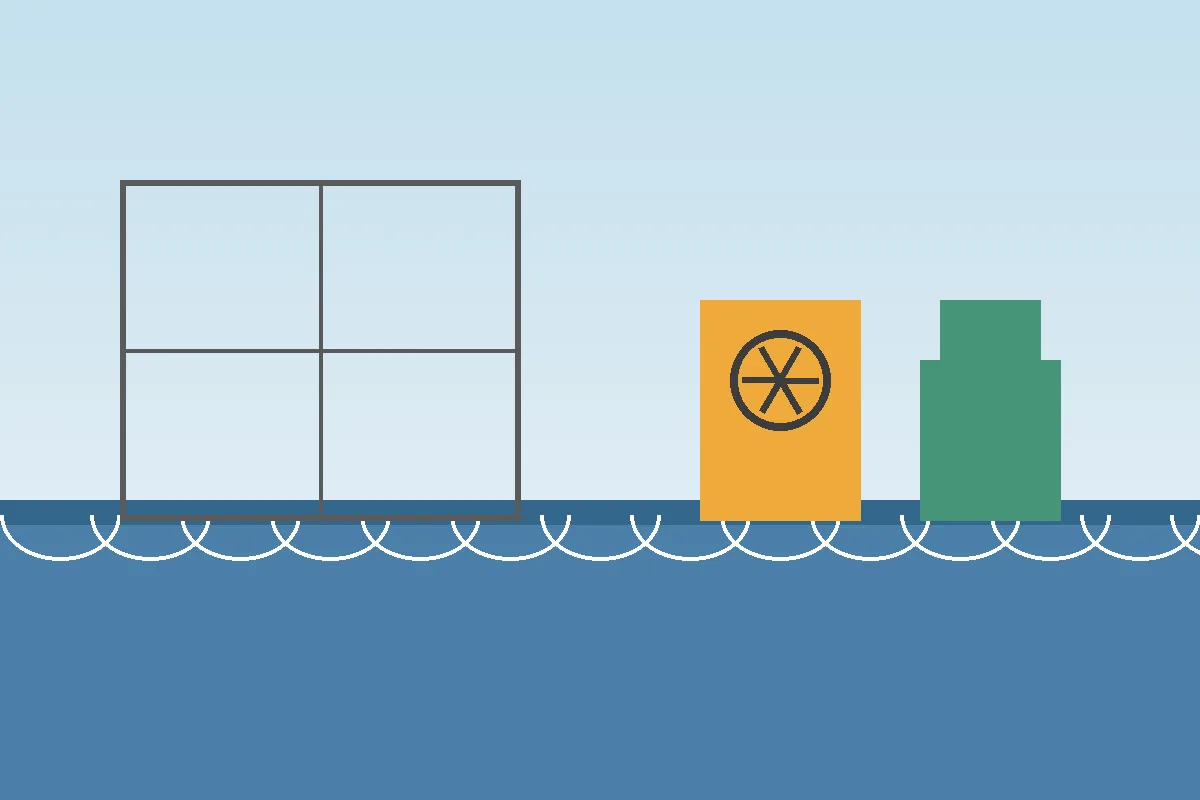
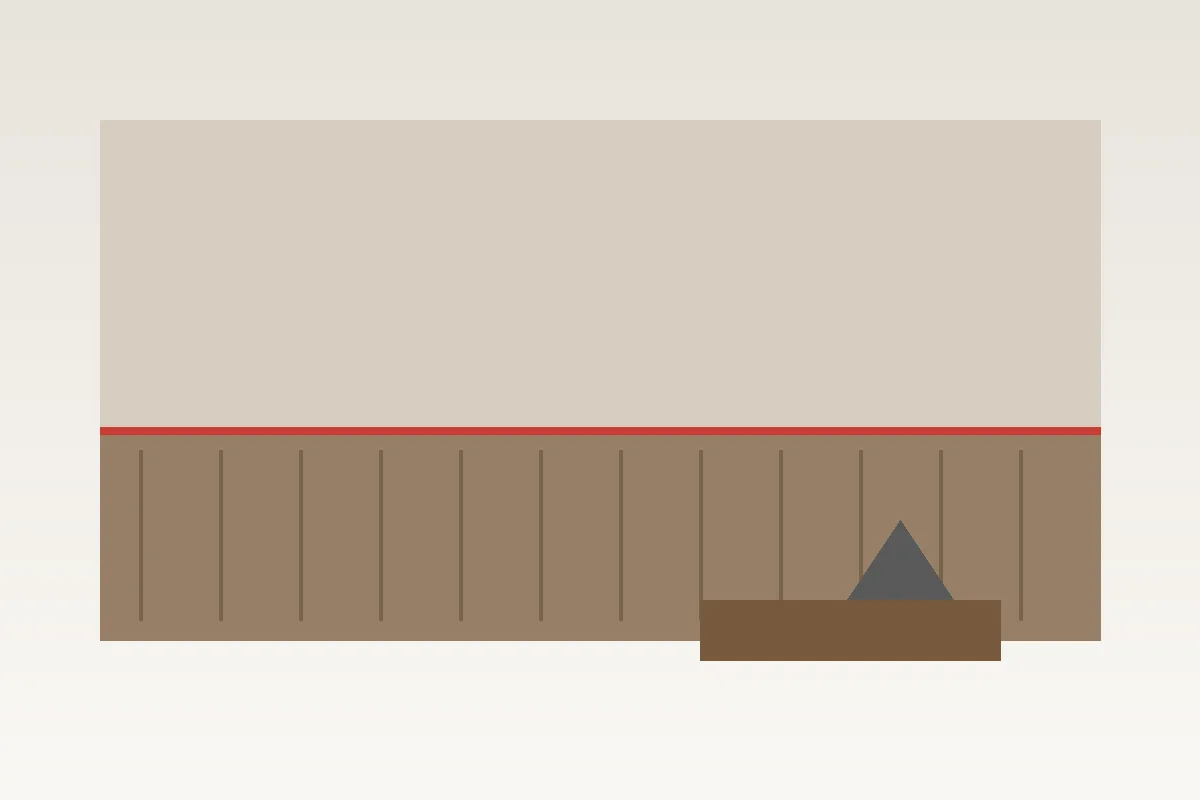
Source by Source: Where the Water Came From Decides the Job

Crews name jobs by their source, because the source predicts the category, the spread and the paperwork. Run down this list and you have met nearly every job in the city.

A burst supply pipe: clean water, fast and loud. Every water damage cleanup nyc crew reads that sentence the same way, because the best category and the worst hour; speed decides how much of the home it claims. The source is the first line of the scope, and getting it right in the first phone call saves a day of wrong assumptions.

A radiator valve failure: hot, clean and sneaky. Every water damage cleanup nyc crew reads that sentence the same way, because steam and hot water travel into floors and the unit below before anyone smells it. The source is the first line of the scope, and getting it right in the first phone call saves a day of wrong assumptions.

A water heater failure: forty gallons at once. Every water damage cleanup nyc crew reads that sentence the same way, because a tank gives up its whole contents in minutes and aims them at the lowest floor. The source is the first line of the scope, and getting it right in the first phone call saves a day of wrong assumptions.

A dishwasher hose leak: slow and hidden. Every water damage cleanup nyc crew reads that sentence the same way, because weeks of dripping into a toe kick void can out-damage a dramatic burst. The source is the first line of the scope, and getting it right in the first phone call saves a day of wrong assumptions.

A washing machine discharge: grey from the first minute. Every water damage cleanup nyc crew reads that sentence the same way, because CAT 2 rules apply: pad out, contents judged hard. The source is the first line of the scope, and getting it right in the first phone call saves a day of wrong assumptions.

A toilet supply line failure: small part, large claim. Every water damage cleanup nyc crew reads that sentence the same way, because the filmed case studies on this page both start with humble plumbing. The source is the first line of the scope, and getting it right in the first phone call saves a day of wrong assumptions.

A tub overflow: clean water, human cause. Every water damage cleanup nyc crew reads that sentence the same way, because one distracted hour writes a ceiling below and a floor sandwich above. The source is the first line of the scope, and getting it right in the first phone call saves a day of wrong assumptions.

A roof drain backup: storm water from above. Every water damage cleanup nyc crew reads that sentence the same way, because interior drains fail inward, and the top floor learns first. The source is the first line of the scope, and getting it right in the first phone call saves a day of wrong assumptions.

An air conditioner condensate clog: a summer drip. Every water damage cleanup nyc crew reads that sentence the same way, because slow ceiling stains in August are condensate until proven otherwise. The source is the first line of the scope, and getting it right in the first phone call saves a day of wrong assumptions.

A sprinkler discharge: clean water at pressure. Every water damage cleanup nyc crew reads that sentence the same way, because rare, dramatic, and a building systems conversation from the first call. The source is the first line of the scope, and getting it right in the first phone call saves a day of wrong assumptions.

A sump pump failure: ground water rising. Every water damage cleanup nyc crew reads that sentence the same way, because the pump is the plan until it is not; the backup plan is a second pump. The source is the first line of the scope, and getting it right in the first phone call saves a day of wrong assumptions.

A sewer backup: the worst category. Every water damage cleanup nyc crew reads that sentence the same way, because CAT 3 discipline from the doorway: gear on, porous out, city report filed. The source is the first line of the scope, and getting it right in the first phone call saves a day of wrong assumptions.

An ice maker line leak: a pinhole with patience. Every water damage cleanup nyc crew reads that sentence the same way, because copper and plastic lines weep into cabinet voids for months. The source is the first line of the scope, and getting it right in the first phone call saves a day of wrong assumptions.

A boiler room failure: heat plant water. Every water damage cleanup nyc crew reads that sentence the same way, because the room nobody enters holds the pipes everybody depends on. The source is the first line of the scope, and getting it right in the first phone call saves a day of wrong assumptions.

A steam riser leak: travels inside chases. Every water damage cleanup nyc crew reads that sentence the same way, because appears floors away from its source, which is why meters outrank stains. The source is the first line of the scope, and getting it right in the first phone call saves a day of wrong assumptions.

A hose bib freeze split: a spring discovery. Every water damage cleanup nyc crew reads that sentence the same way, because the pipe splits in January and announces itself at the first spring watering. The source is the first line of the scope, and getting it right in the first phone call saves a day of wrong assumptions.

A window well flood: rain with a funnel. Every water damage cleanup nyc crew reads that sentence the same way, because a clogged well turns a storm into a basement waterfall. The source is the first line of the scope, and getting it right in the first phone call saves a day of wrong assumptions.

A foundation seep: the quiet one. Every water damage cleanup nyc crew reads that sentence the same way, because no event, just readings that never fall until the source outside is fixed. The source is the first line of the scope, and getting it right in the first phone call saves a day of wrong assumptions.

Questions From the Phone Lines

Beyond the formal questions answered above, these are the short ones that arrive by phone while a room is still wet, with the short answers they get.

My ceiling is dripping from upstairs. What do I do first?

Photograph it, protect the floor and furniture, keep power off around any wet light fixture, and call the building and the crew in that order. Upstairs leaks are the most common start to a water damage cleanup nyc job, and the first hour decides how much ceiling becomes a removal line.

The crew wants to cut my wall. Is that normal?

In dirty water, yes: a flood cut above the water line is the standard way to free wet drywall and insulation so framing can dry. Ask to see the readings that justify the cut. On a water damage cleanup nyc job, a justified cut is written down with numbers, not argued with adjectives.

Can I stay in my home during drying?

Usually yes, with work rooms closed off and honest talk about noise. Children, pets and anyone with breathing trouble should stay out of tear-out rooms. Most water damage cleanup nyc households sleep at home through the whole job once the plan respects the bedrooms.

Why does the crew come back every day?

To take readings. Drying is steered by numbers, and a daily visit moves machines to where the water went and pulls them from where it left. A water damage cleanup nyc drying log with daily entries is the document your insurer will trust most.

My landlord sent his own guy with a mop. Is that enough?

A mop is not a moisture meter. The owner owes the building repairs, and you can use the 311 and HPD route if the response stays shallow. Document everything yourself regardless, because your photographs are the record written for you.

What should I throw out myself before the crew comes?

Almost nothing, until it is photographed. Spoiled food and anything touching sewage can go for health, after a quick picture. Everything else waits for the removal list, because a water damage cleanup nyc claim pays for documented losses, not for a tidy room.

The smell is gone. Are we done?

A fading smell is a good sign and a bad test. Done is a reading: wood at 15 percent or less and a dry plastic sheet test. Crews close a water damage cleanup nyc job on numbers, and the smell usually agrees with them a day later.

Do I pay the crew or does insurance?

Either route exists, and the paperwork matters more than the path. Keep the scope, logs and receipts in one folder, file proof of loss inside 60 days on a flood claim, and let the folder argue. Ask the crew at the start what the final claim packet will contain.

How loud is this going to be?

Air movers hum like a row of box fans and dehumidifiers add a steady drone. It is livable and it is not quiet. Good crews stage machines away from bedrooms at night where the layout allows, and say so in the plan rather than after the complaint.

Can you save my hardwood floor?

Often, when the water was clean and drying starts fast. Boards cup wet and settle as they dry to standard, so the honest answer comes from readings over days, not from a look on day one. Floors over soaked subfloors in dirty water are the exception, and a fair scope says which case yours is.

What is the plastic sheet test?

A sheet of plastic taped tight to a surface for 16 hours. If the covered side comes away damp, moisture is still leaving the material and drying continues. It is the simplest check in water damage cleanup nyc work, and any homeowner can run it the night before a rebuild decision.

Why did the pad have to go if the carpet looks fine?

Because pad is a sponge that cannot be cleaned in place, and grey or black water settles the question entirely. Carpet is judged on its own merits; pad in CAT 2 and CAT 3 water is not judged at all. It goes, and the scope should say so in one line.

My co-op board wants paperwork. Who handles it?

You file it, the crew feeds it: insurance certificates, the scope, and the plan. Cleanup and drying usually move as building protection; repairs are where alteration agreements live. Start the board conversation on day one and it rarely slows the drying.

Is the water from a drain dangerous?

Treat it as contaminated, because it is. Drain and sewer water is CAT 3, handled with protective clothing, removal of porous materials and sanitizing of hard surfaces. Keep children and pets out until the room is clean and dry, and wash hands after any contact.

How do I know the crew is not over-drying to run up days?

Read the log. Honest drying shows falling numbers and machines leaving as rooms pass. Ask for the dry standard for each material and the readings against it. A crew that welcomes the question is a crew whose water damage cleanup nyc invoices survive adjusters.

What happens to my furniture during all this?

Sturdy pieces go up on blocks so air passes under them, upholstered pieces get judged by category, and the keep and clean list is longer than people fear: metal, china, ceramics and utensils clean up well. Sentimental items get a conversation before they get a bag, always.

When can the walls go back up?

When readings say the framing is dry, the plastic sheet test agrees, and, in a managed building, the repair paperwork is in order. Closing early is the most expensive shortcut in this trade, and no honest crew will take it to hit a date.

Who do I call to check on my claim rights?

The Department of Financial Services consumer line at (800) 342-3736 explains what an insurer owes you in process, and the disaster hotline at (800) 339-1759 covers declared disasters. Keep your claim number on every page you send anyone, including them.

One-Line Reminders Worth Sticking on the Fridge

On any water damage cleanup nyc job, one rule keeps proving itself: photograph the water line on the wall before anyone wipes it; that tide mark is evidence.

On any water damage cleanup nyc job, one rule keeps proving itself: keep the claim number on every page you send, every time, without exception.

On any water damage cleanup nyc job, one rule keeps proving itself: a drying log you cannot read is a drying log that does not exist; ask for plain numbers.

On any water damage cleanup nyc job, one rule keeps proving itself: baseboards come off before anyone declares a wall dry; the plate hides the last water.

On any water damage cleanup nyc job, one rule keeps proving itself: never mix bleach with ammonia or with any other cleaner, whatever a video suggests.

On any water damage cleanup nyc job, one rule keeps proving itself: mattresses that soaked through rarely dry through; plan the replacement early and calmly.

On any water damage cleanup nyc job, one rule keeps proving itself: the super is an ally with a key to every shutoff; call before the crew, not after.

On any water damage cleanup nyc job, one rule keeps proving itself: samples of carpet, flooring and curtains stay until the adjuster has seen the real thing.

On any water damage cleanup nyc job, one rule keeps proving itself: a smell that returns after drying is a moisture report; meter the room again.

On any water damage cleanup nyc job, one rule keeps proving itself: wood at 15 percent moisture or less is the rebuild line; feelings do not count.

On any water damage cleanup nyc job, one rule keeps proving itself: sixteen hours under a taped plastic sheet tells the truth about a wall or slab.

On any water damage cleanup nyc job, one rule keeps proving itself: grey water takes the pad out every time; that rule has no sentimental exceptions.

On any water damage cleanup nyc job, one rule keeps proving itself: black water takes everything porous it touched; bag it, list it, let it go.

On any water damage cleanup nyc job, one rule keeps proving itself: china, ceramics, metal and utensils clean up well; keep and clean is a real list.

On any water damage cleanup nyc job, one rule keeps proving itself: construction debris never goes in the city truck; a licensed carter is the route.

On any water damage cleanup nyc job, one rule keeps proving itself: furniture goes out as bulk, mattresses sealed in plastic, rugs rolled and tied.

On any water damage cleanup nyc job, one rule keeps proving itself: sewer trouble starts with a 311 report; keep the number with the claim file.

On any water damage cleanup nyc job, one rule keeps proving itself: landlord first, then 311 and HPD; that order is the city's own design.

On any water damage cleanup nyc job, one rule keeps proving itself: proof of loss inside 60 days on a flood claim; start the folder on day one.

On any water damage cleanup nyc job, one rule keeps proving itself: four to 8 weeks is the honest payment window after a flood claim is finalized.

On any water damage cleanup nyc job, one rule keeps proving itself: flood policies do not cover mold; drying fast is the only mold cover that exists.

On any water damage cleanup nyc job, one rule keeps proving itself: ten square feet of mold work is the licensing line in New York; know which side you are on.

On any water damage cleanup nyc job, one rule keeps proving itself: the assessor cannot be the remediator on the same property; that separation protects you.

On any water damage cleanup nyc job, one rule keeps proving itself: fifteen business days to accept or reject after proof of loss; that clock is Regulation 64.

On any water damage cleanup nyc job, one rule keeps proving itself: four business days to pay an agreed claim is a disaster only rule, from Section 2618.

On any water damage cleanup nyc job, one rule keeps proving itself: children and pets stay out of tear-out rooms until the rooms are clean and dry.

On any water damage cleanup nyc job, one rule keeps proving itself: power stays off around wet outlets and fixtures until an electrician clears them.

On any water damage cleanup nyc job, one rule keeps proving itself: drying takes days to weeks; any promise shorter than the readings is a sales line.

On any water damage cleanup nyc job, one rule keeps proving itself: ask for the scope in writing before machines start; paper first, noise second.

On any water damage cleanup nyc job, one rule keeps proving itself: the unit below your leak is part of your job; check it in the first hour.

On any water damage cleanup nyc job, one rule keeps proving itself: save the folder after the claim closes; the next leak, if it comes, starts faster.

Questions Homeowners Ask, Answered Straight

What is water damage cleanup?

Water damage cleanup is the hands-on middle of the job. It starts after the water has been stopped and the standing water taken out, and it ends when the home is clean, dry and ready for repairs. The crew removes soaked materials that cannot be saved, dries the structure with air movers and dehumidifiers, cleans and sanitizes surfaces and belongings, and works on the smell that wet buildings get. It is the stage that decides whether a home heals well or keeps causing trouble months later, because hidden moisture and dirty residue are what turn a leak into mold, warped floors and a smell that never quite leaves.

What does water damage cleanup include?

A full cleanup includes a walk-through and a written scope of work, removal of soaked materials such as carpet pad, wet drywall, insulation and swollen cabinets, and bagging and removal of that debris. It includes structural drying with daily moisture readings, cleaning and sanitizing of hard surfaces, sorting and cleaning of contents, and odor control done by removing the source and drying, not by spraying perfume over it. It also includes the paperwork side: photographs, a removal list, drying logs and readings that go to the insurer. The strongest national model for this work names the same two core steps, damaged material removal and cleaning, sanitizing and deodorization.

How long does water damage cleanup take?

The honest answer is that drying alone can take several days to weeks, and the Environmental Protection Agency says the same. A small clean water leak in one room may dry in a few days. A basement that took on drain water, with drywall and insulation to remove, runs far longer. A room is ready when moisture readings reach the dry standard for that material, not when a set number of days has passed. Wood should be at 15 percent moisture or less before rebuilding. Crews that check readings daily and write them down finish sooner, because they move equipment the day a wall is dry instead of guessing.

How much money does it cost to fix water damage?

This page does not publish prices, and neither do the cleanup companies that rank for this search, so anyone quoting a firm figure before seeing your home is guessing. What a cleanup bill depends on is plain: how many rooms and square feet are wet, which category the water falls into, how much material has to come out, how long drying equipment needs to run, and whether insurance is involved. The fair way to get a number is an in-person assessment with a written scope of work, so you can see exactly what is being removed, dried and cleaned before you agree to anything. Call and describe the water, and the crew can tell you what the first visit covers.

What are the current water issues in New York City?

As of November 24, 2026, there is no citywide water advisory or crisis that can be verified for New York City, and this page will not invent one. The most recent confirmed event was local: a water main break in the Edenwald section of the Bronx on October 26, 2026. Fire crews were called just after 6 a.m., water was restored before 4:30 p.m. the same day, and brown water was reported at P.S. 68 while repairs were made. Day to day, the water issues New Yorkers actually deal with are building level ones: aging pipes, sewer backups after heavy rain, and leaks from the apartment upstairs. If your tap water looks or smells wrong, call 311 and ask the DEP to check it.

Will insurance pay out for water damage?

It depends on where the water came from. As a rule of thumb shared across the trade and consumer guides, sudden and accidental water, such as a burst pipe or a failed water heater, is typically covered by a homeowners policy, while gradual leaks, outside flooding and sewer backup are typically not covered unless you bought extra cover for them. Flood insurance is a separate policy with a 30 day wait before it starts. For a flood claim, proof of loss is due within 60 days, and the claim can take 4 to 8 weeks to be finalized and paid. Photograph everything before cleanup and keep damaged items until the adjuster has seen them, because documentation is what turns a payout argument into a payout.

How to tell if water damage is permanent?

No EPA or CDC page defines permanent water damage, so be wary of anyone who quotes you an official test. The signs the trade relies on are warping and buckling that does not settle as the material dries, staining that stays after cleaning, wood or drywall that has gone soft or started crumbling, a musty odor that survives full drying, and mold growth. There is one hard benchmark from flood insurance: a building counts as substantially damaged when the cost to repair it to its pre-damage condition is 50 percent or more of its market value, not counting the land. Below that line, most damage is a repair question. Above it, permits and flood rules change the whole job.

What is the difference between CAT 1, CAT 2 and CAT 3 water?

The categories come from the IICRC standard that cleanup crews train to, and an estimator with WRT and ASD credentials laid them out plainly in a 2021 discussion that homeowners still cite. CAT 1 is clean water, such as a hot water tank or supply line leak. CAT 2 is grey water, such as a washing machine discharge or a sump backup, and carpet pad has to come out. CAT 3 is black water, such as a drain backup or hurricane floodwater, and it is treated as a biohazard: all porous materials are unrestorable, carpet and pad come out, and the crew makes a flood cut in the drywall and removes base trim and particle board cabinets. The mitigation company on site decides the category, and the category decides how much has to go.

Can carpet be saved after a flood?

Most of the time, no, and homeowners who have been through it say the same. In a long running discussion among people who fixed their own basements, the shared view was to toss the carpet and replace it: storm water is not pure water, whatever it carried stays in the pad and backing, and modern carpet often costs less to replace than to clean properly. One person did keep carpet after a sump failure left about 3 inches of water for a couple of hours, dried it with a dehumidifier and fans, and reported no mold trouble two years later. That was clean water, caught fast. With drain water or street floodwater, the safe answer is removal, and the pad goes in every category above CAT 1.

When should drywall be removed after water damage?

Wet drywall will probably need to come out, and the framing behind it needs a look. Drywall is paper faced gypsum, and once it has soaked up dirty water it does not dry back into a clean, sound sheet. For CAT 3 water the standard move is a flood cut: the crew cuts the wall above the water line, removes the wet sheet and insulation, and lets the framing dry in the open. Even with clean water, baseboards should come off so the bottom of the wall can be checked, because the plate and the first inches of sheet hide moisture longest. If the wall stayed wet above the wick line or smells musty after drying, opening it is cheaper than closing in a problem.

How do I know when my home is dry enough to rebuild?

By numbers, not by touch. The Environmental Protection Agency flood cleanup guidance says to use a moisture meter and not to rebuild until wood moisture is 15 percent or less. The same guidance gives a simple check anyone can do: tape a sheet of plastic to the surface and leave it for 16 hours. If the covered side comes away damp, drying is not finished. A good crew takes readings every day, writes them in a drying log, and compares each wet material against a dry sample of the same material elsewhere in the home. Rebuilding over damp framing is the single most common cause of mold showing up a month after a cleanup looked finished.

What can I keep after a flood and what should I throw away?

The Environmental Protection Agency guidance draws the line by material. Non-absorbent items can be cleaned and dried and kept: metal furniture, china and ceramic dishware, silverware and kitchen utensils are the examples its keep and clean material names. Absorbent items should generally be thrown away once they have soaked up floodwater, because dirt and germs work deep into them and do not wash out. Fabrics sit in the middle: many can be laundered and kept if the water was not sewage. When in doubt, photograph the item for the claim, then let it go. The full EPA keep and throw list sits in a graphic that does not read as text, so this page names only the items confirmed in writing.

How do I get rid of water-damaged furniture in NYC?

The Department of Sanitation treats most of it as large items, sometimes called bulk. Furniture can be set out as a large item. Mattresses and box springs must be sealed in a plastic bag first, which is a bed bug rule, not a flood rule. Rugs and carpeting should be rolled and tied. For most large items no appointment is needed; you set them out on your collection day and DSNY takes them. Plan the set-out for the night before collection, keep the sidewalk passable, and check your building rules if you are in a large building, because many buildings have their own bulk room routine that the super will want you to follow.

Who takes away torn-out drywall and flooring in NYC?

Not the city. The Department of Sanitation does not collect construction debris, and torn-out drywall, flooring and insulation count as construction debris even when a flood put them on the curb. The route is a licensed private carter, which your cleanup crew usually arranges as part of the job, or which you hire directly. Ask for the carter name and keep the paperwork with your claim file, because the removal list and disposal record support the scope of work you send the insurer. Bagging small amounts neatly at the work area, rather than loose piles, keeps the building hallway and the sidewalk clear and keeps the super and the neighbors on your side.

What should I photograph before cleanup starts?

Everything, before anything moves. FloodSmart, the federal flood insurance site, tells policyholders to photograph and video the damage before cleanup, to document the items affected, and to keep damaged items until the adjuster has seen them. Work room by room: wide shots that show the whole room, close shots of water lines on walls, damaged flooring, swollen cabinets and ruined belongings, and serial numbers on appliances and electronics. Keep samples of carpet, flooring and curtains even when the rest goes out. Then keep shooting during the job: open walls, drying equipment in place, and daily readings. A claim file with dated pictures at every stage is hard to argue with.

Does my landlord have to clean up water damage?

In a rental, the owner is responsible for repairs first. The city route is plain: the tenant reports the problem to the owner or landlord, and if it is not fixed, the tenant reports it to 311 and the Department of Housing Preservation and Development takes it from there. HPD inspects and can issue violations against the owner. That covers the building repairs: the leak, the walls, the floors. Your own belongings are your side of the line, which is why renters insurance exists. Keep your 311 complaint number and copies of every message to the landlord, and photograph the damage yourself even if the landlord sends their own crew, because your record is the one written for you.

Do I need co-op or building approval before cleanup work?

There is no single city rule for this, because co-op approval is private building governance, not a New York City regulation, and no NYC.gov source sets one. What law firms that handle co-op work describe is a pattern: board approval is commonly required for renovation work, an alteration agreement is typical, and buildings usually require licensed and insured contractors. Emergency drying to stop damage spreading is a different conversation from renovation, and most supers would rather see equipment running than water sitting. The safe move is to call the super or managing agent before the crew arrives, tell them it is cleanup and drying, and ask what paperwork the building wants. Your proprietary lease and alteration agreement hold the real answer for your building.

What should I do after a sewer backup in NYC?

Treat the water as contaminated, keep people and pets out of the room, and do not run more water into the drains. The city route for a sewer backup is 311 and the Department of Environmental Protection: file the report, keep the confirmation number, and let DEP check whether the problem sits in the city main or in your building line, because that decides whose bill the repair is. On the cleanup side, sewer water is CAT 3, which means porous materials come out, hard surfaces get cleaned and then sanitized, and protective clothing is part of the job, not an extra. Photograph everything before the crew starts, the same as any flood, because sewer claims get questioned more than most.

Is it safe to enter a flooded basement?

Only with care, and sometimes not at all. The CDC guidance on re-entering a flooded home says do not enter if the water is above electrical outlets or the power is still on. Assume floodwater is contaminated, wear protective clothing, and wash your hands well after any contact. Look before you step: basement stairs hide under dark water, and so do open drains and sharp debris. If the water smells of sewage or chemicals, or you can hear or smell gas, stay out and call for help instead. Most basement cleanup starts from the doorway with a pump and a plan, not with someone wading in to save boxes, and boxes are never worth the risk.

Can I turn the power back on after a flood?

Not until the system has been checked. The CDC rule is to turn off electricity at the main breaker only if you can do it safely and dry, and never to touch electrical equipment if you are wet or standing in water. If water reached outlets, the panel or appliances, a licensed electrician should inspect before power goes back on; that was the Department of Buildings guidance carried through the emergency page of this site as well. Drying equipment needs power, and crews solve that with safe circuits, ground fault protection and runs from dry parts of the building. If in doubt, leave the breaker off and let the electrician make the call. A dry home with no power for a day beats a powered home with a shock hazard.

Should I use bleach to clean after water damage?

Bleach has a narrow job and real limits. The Environmental Protection Agency says disinfecting belongs on clean, non-absorbent surfaces only, after the surface has been scrubbed, and that you should follow the label contact time so the product has time to work. Two safety rules are absolute: never mix bleach with ammonia, and never mix it with other cleaners. Bleach does not fix porous materials, which is why soaked drywall and pad come out instead of being bleached. One popular how-to site gives a mixing figure of half a cup of bleach per gallon of water; that is that site's figure, not an EPA rule, and your product label is the authority for your bottle. Ventilate the room and keep children and pets out while you work.

How do I get rid of the smell after water damage?

There is no EPA or CDC odor removal recipe, and that is worth knowing, because it tells you where the smell actually lives. A musty smell after water damage is the smell of wet materials and what is growing in them. The fix that works is source removal plus drying plus cleaning: take out the soaked pad, drywall and insulation that hold the odor, dry the structure until readings are safe, and clean and sanitize the hard surfaces. Sprays and plug-ins only mask the smell for a day, and a smell that returns after full drying is a clue that something wet is still hidden, usually behind a baseboard or inside a wall cavity. Find that, and the smell goes with it.

Does flood insurance cover mold damage?

No. FloodSmart states it plainly: NFIP policies do not cover damage from mold. That single sentence shapes a lot of cleanup decisions. It is why the federal guidance pushes fast drying, why mold can begin growing within 24 hours matters so much, and why photographing the original flood damage carefully matters: the water damage is the claim, and mold that grows later because drying was slow sits outside the policy. A standard homeowners policy is a different contract with its own mold limits and exclusions, so read yours or ask your agent. Either way, the cheapest mold cover is a dry building, which is a cleanup outcome, not an insurance product.

How long do I have to file proof of loss for a flood claim?

Sixty days. The FEMA NFIP Claims Handbook, August 2024 edition, page 23, states the 60 day limit for proof of loss on a flood claim, and this page checked that line in the handbook itself rather than repeating a secondary summary. Proof of loss is the sworn statement of what you are claiming, supported by your photographs, your removal list, your drying logs and your receipts. Extensions are sometimes granted after large declared disasters, but the safe plan is to work to the 60 day line from the date of loss. Start the folder on day one, while the crew is still on site and every record is being created anyway, and the deadline stops being a threat.

How long does a flood insurance claim take to pay?

FloodSmart says a flood insurance claim can take 4 to 8 weeks before it is finalized and paid. That clock runs after the adjuster visit and the paperwork, which is why the 60 day proof of loss limit and the 4 to 8 week payment window have to be planned together. Keep samples of flood damaged items such as carpet, flooring and curtains until the adjuster has seen the damage, keep every receipt from the cleanup, and keep the claim number on every document you send. If a claim stalls, the New York State Department of Financial Services consumer line at (800) 342-3736 can tell you what the insurer owes you in process, and the disaster hotline at (800) 339-1759 covers declared disaster questions.

When does mold work need a license in New York?

When the mold work passes ten square feet. New York Labor Law Article 32, Section 930, defines a mold project as remediation, assessment or abatement of areas greater than ten square feet, and Section 931 requires licensing for that work. Section 936(2) adds a separation rule: no licensee shall perform both mold assessment and mold remediation on the same property, so the person who scopes the mold job cannot be the person who does it. Ordinary water damage cleanup without mold assessment or remediation is not itself a mold project, and this page does not pretend otherwise. The licensing line matters when cleanup finds growth over that size, which is exactly when an independent assessment should define the scope before remediation starts.

What is the 15-day insurance clock in New York?

It comes from Regulation 64, 11 NYCRR Section 216.6, the state rule on fair claim settlement. Under part (c), once proof of loss is in, the insurer has 15 business days to accept or reject the claim. Under part (f), once an amount is agreed, payment is due not later than 5 business days after the agreement. Under part (g), an investigation can be extended by up to 15 additional business days. Those three numbers, 15, 5 and 15, are the everyday clocks that govern most New York claims. Keep proof of when you sent proof of loss, because the first clock starts there, and if an insurer misses a clock, the Department of Financial Services line at (800) 342-3736 is the next call.

What is the 4-day disaster pay rule?

It is a disaster only rule from Insurance Law Section 2618(d), and it is often misquoted, so here it is exactly: every insurer shall pay any amount finally agreed upon in settlement of a claim not later than four business days from the receipt of that agreement by the insurer. Section 2618(a)(2) limits the rule to disasters, meaning a declared emergency involving a natural disaster or terrorism. The section carries its own accept and reject clocks too: 15 business days, with a one time extension of 15 for non-commercial claims, 30 if arson is suspected, and 30 for commercial claims. It is not part of Regulation 64, and pages that credit it to Regulation 64 are wrong. In a normal, non-disaster claim, the Regulation 64 clocks are the ones that apply.

How do I clean my clothes and shoes after a flood?

The Environmental Protection Agency flood guidance counts fabrics among the things that can often be laundered and kept, which makes clothing one of the more hopeful parts of a cleanup. Wash flood touched clothes promptly, in hot water where the fabric allows, and keep them separate from clean laundry until they have been through a full wash. Homeowners in cleanup discussions give the same advice from experience: wash clothes and shoes right away rather than letting them sit damp in a bag, where the smell sets in. Shoes that can be scrubbed and dried fully usually survive clean water; shoes soaked in sewage water are a judgment call most people resolve by replacing them. Mattresses are harder: a soaked mattress rarely dries through, and replacement is the common outcome.

How does water damage cleanup differ from water damage restoration?

Cleanup is the middle of the job. Restoration is the whole arc, from the first emergency call through extraction, cleanup and drying, and on into repairs that put walls, floors and cabinets back. Cleanup starts once standing water is out and ends when the building is clean, dry and ready to rebuild. The neighbors of this page on the site mark the borders: the emergency page is about speed and the first hour, the water removal page is about extraction only, the process page walks the full method step by step, and the flood cleanup page is about flood events themselves. Knowing which stage you are buying stops you paying twice for the same work or skipping the stage that prevents mold.

All Fifty-Six Pages, in One Place

Every page on this site, in the order it was built. The other forty-eight each take one question, one place or one stage of the work. This page, the forty-ninth, takes the cleanup stage itself.

Site Home

Home page for restoration help across New York

Brooklyn

Borough page for Brooklyn homes hit by leaks and floods

Queens

Borough page for Queens homes, from Astoria to Far Rockaway

The Bronx

Borough page for Bronx homes and buildings

Staten Island

Borough page for Staten Island homes

Long Island

Regional page for Nassau and Suffolk homes

Manhattan

Borough page for Manhattan apartments and buildings

Insurance Claims in New York

How claims work in New York, step by step

Water Behind Walls in NYC

Finding and fixing hidden water inside walls

Fire Damage in NYC

Help after fire, smoke and the water that put it out

Flood Cleanup in NYC

Cleanup after flood events, street water and storms

Remediation in NYC

The remediation stage explained for city homes

Fire Cleanup in NYC

Cleaning up after a fire, room by room

Rochester

City page for Rochester homes

Albany

City page for Albany homes

Buffalo

City page for Buffalo homes

Syracuse

City page for Syracuse homes

Yonkers

City page for Yonkers homes

New Rochelle

City page for New Rochelle homes

Mount Vernon

City page for Mount Vernon homes

Schenectady

City page for Schenectady homes

Utica

City page for Utica homes

White Plains

City page for White Plains homes

Troy

City page for Troy homes

Niagara Falls

City page for Niagara Falls homes

Binghamton

City page for Binghamton homes

Westchester County

County page for Westchester homes

Hudson Valley

Regional page for Hudson Valley homes

Capital Region

Regional page for Capital Region homes

Western New York

Regional page for the western end of the state

Finger Lakes

Regional page for Finger Lakes homes

Central New York

Regional page for Central New York homes

Southern Tier

Regional page for Southern Tier homes

NYC Hub

The city hub page tying the borough pages together

How Fast Mold Grows

The timeline of mold growth after water gets in

Mold Removal in NYC

Removing mold from city homes, safely and legally

The Full Process

The whole restoration process, step by step

What Restoration Means

A plain definition of the whole trade

Mold Remediation in New York

Licensed mold work under New York rules

Water Removal in NYC

Extraction only: pumps, vacuums and standing water

Water Damage in the City

The broad city page for water problems at home

Nyack Cleanup Page

Cleanup help for Nyack homes in Rockland County

Choosing a Company

How to pick a restoration company you can trust

Commercial Properties in NYC

Water problems in shops, offices and buildings

Basements in NYC

Basement water problems, from seepage to floods

Repairs in New York

The repair stage that follows cleanup and drying

Poughkeepsie

City page for Poughkeepsie homes

Emergencies in NYC

The emergency page: speed, safety and the first hour

Flood Damage Restoration NYC

Flood damage restoration NYC explained plainly, from flood events and NFIP claims to dry rooms and a flood-resistant rebuild.

How Long Does Water Damage Restoration Take

How long water damage restoration takes, stage by stage, from extraction and drying to the final repairs.

Flood Damage Cleanup Washington Heights

Cleanup after floods for Washington Heights homes

Does Insurance Cover Water Damage Restoration

Whether insurance covers water damage restoration, explained plainly, by cause and New York rule.

Water Damage Mold Remediation

Mold that grew after a leak or flood, remediated the New York way, by licensed assessor and remediator.

Water Damage Restoration Companies New York

Compare the companies serving New York: national franchises, regional firms and local independents, and how to verify licences and certification before you hire.

Water Damage From Upstairs Neighbor

Water damage from an upstairs neighbor in New York City: who pays, what to do in the first hour, and how to document, report and claim.

Water Damage Cleanup in NYC (this page)

Water damage cleanup in NYC explained plainly, from torn-out materials to dry rooms again.