Water Damage Restoration in Albany: Dry, Safe & Back to Normal, Fast
The short version, with sources
Key Takeaways
Seven facts decide most water damage restoration Albany jobs, and each one below is stated with the source it comes from, so it can be checked and quoted exactly as it stands.
Last updated: November 2026
- About 42.6 percent of Albany homes were built before the 1940s and the median Albany home was built in 1949, according to Point2Homes citing United States Census data, which is why plaster, cast iron drains and clay sewer laterals shape so many water damage restoration Albany jobs.
- Albany recorded 85 National Flood Insurance Program flood claims in its covered ZIP codes since 2000, including 19 from Hurricane Irene, according to Water Damage Xpert citing Federal Emergency Management Agency (FEMA) OpenFEMA claims data retrieved 14 November 2026.
- Hurricane Irene dropped 4.69 inches of rain on Albany on 28 August 2011, a record for the date, according to All Over Albany reporting National Weather Service figures, and Irene produced floods of record at 13 river gage sites across the Albany forecast area, according to the National Weather Service, an event that still shapes water damage restoration Albany planning today.
- Mold can begin growing within 24 to 48 hours on materials that stay wet, according to competitor consensus across the Albany pages read for this guide and the Environmental Protection Agency (EPA) guidance quoted on them, which is why extraction starts the same day on every water damage restoration Albany job.
- Article 32 of the New York Labor Law requires mold assessment and mold remediation on any project over 10 square feet to be done by separately licensed companies, according to the New York State Department of Labor Mold Program summaries read for this guide, and the rule has applied statewide since 1 January 2016.
- Under Regulation 64 (11 NYCRR Part 216), a New York insurer must acknowledge a claim, begin investigating and answer a completed proof of loss, each within 15 business days on a water damage restoration Albany claim, according to the regulation text and summaries read for this guide.
- After a declared natural disaster, New York Insurance Law section 2618 requires an insurer to pay an agreed settlement within 4 business days, according to the corrected figure carried in the research for this page, and the standard policy suit limit is 24 months under Insurance Law section 3404.
Who stands behind the work
Standards You Can Check, Not Slogans You Have to Trust
Water damage restoration Albany is an unglamorous trade built on readings, logs and licences. This page names the standards the work is held to, states plainly which business details are still placeholders, and shows you how to check every claim before you let anyone open a wall in your home.
Work to the IICRC standards
Drying follows the Institute of Inspection, Cleaning and Restoration Certification (IICRC) S500 standard for water damage, and mold work follows S520. Those standards set the moisture targets, the equipment math and the point at which a material is honestly dry.
Standard: IICRC S500 / S520New York mold law, followed exactly
Article 32 of the New York Labor Law splits mold assessment and mold remediation between separate licensees on projects over 10 square feet. This page explains that split in full, because a company that offers to do both on one job is telling you something about itself.
Law: Labor Law Article 32Documentation your adjuster can use
Moisture maps, daily drying logs, dated photographs and line item estimates in the format adjusters work from. The paperwork is not an extra. On most water damage restoration Albany jobs, the paperwork is what gets the claim paid.
Included on every jobPlaceholder details, stated openly
The phone number on this page, (518) 555-0147, is a placeholder, marked as one everywhere it appears. No business name, address, licence number or review count has been supplied for this site yet, so none is invented here. Real details replace the placeholders before this page is used for live calls.
Placeholder phoneFirst steps
The First 60 Minutes in Albany: What to Do Before Anyone Arrives
The first hour decides how big a water damage restoration Albany job becomes. Water keeps moving through floors, wall bases and shared walls long after the visible spill stops, and every move below is ordered so the loss stops growing while you stay safe.
Start with the source. If the water is coming from plumbing, a water heater or an appliance, shut it off. In most Albany homes the main shutoff sits in the basement next to the meter, per Water Damage Xpert, and a quarter turn on that valve stops a burst pipe from feeding the flood. If the leak is on the street side of the meter, that is a City of Albany water problem, not a house problem, and the city water department is the call to make. If water is coming through the roof, a bucket and a call are the honest tools; nobody belongs on a wet roof.
Next, power. Water and electricity are the dangerous pair in every flood. If water has reached outlets, a panel, a furnace or any appliance, keep out of that area and treat it as live until told otherwise. Do not wade in to rescue belongings. A water damage restoration Albany technician will ask about exactly this on the first call, because the answer decides what the crew brings and how they enter.
Then document, before you move anything. Photograph and video every affected room, wide shots and close shots, the source of the water, the high water line on the wall, and every damaged item where it sits. Keep a short written log: when you found the water, what you shut off, what you moved. That record, made in the first hour, is worth more to your insurance claim than any reconstruction of events written a week later.
Move what you can carry safely to dry ground: documents, electronics, rugs that are not soaked through, wooden furniture lifted onto blocks or foil under the legs. Leave heavy, saturated items where they are. Do not throw damaged belongings away, even ruined ones, until your adjuster has documented them; discarded items have a way of becoming disputed items.
Finally, make the two calls. Call your insurer and open the claim while the facts are fresh, then call a water damage restoration Albany crew inside the first hours, not the first days. Clifton Development Group, the strongest local contractor page read for this guide, advises calling a restoration contractor within the first 2 to 4 hours, and that advice matches how fast water migrates into wall cavities and under flooring. The crew that arrives early extracts water that the crew arriving Thursday has to demolish around.
- Shut off the main water valve, usually in the basement next to the meter, if the loss is plumbing.
- Stay clear of standing water near outlets, panels, furnaces and appliances.
- Photograph and video every room before moving anything.
- Write down when you found the water and what you did, in order.
- Move documents, electronics and small valuables to dry ground.
- Lift wooden furniture onto blocks; do not drag it through water.
- Keep every damaged item for the adjuster, even ruined ones.
- Call your insurer and open the claim.
- Call a water damage restoration Albany crew the same day: (518) 555-0147 (placeholder).
- Stay out of any area where sewage came up through a drain.
After the first hour
The Rest of the First Day: Hours 2 to 24
Once the source is stopped and the calls are made, the first day of a water damage restoration Albany job settles into a rhythm: extract, map, remove what cannot be saved, and get drying equipment running before the mold clock runs out.
Extraction and the moisture map
The crew starts by removing standing water with truck mounted and portable extractors. Water in carpet is pulled with weighted extraction tools; water on hard floors is vacuumed and mopped into the extraction system. Extraction is the cheapest drying there is: every gallon removed by machine is water the dehumidifiers never have to pull out of the air, and removing it early routinely shortens the drying phase by days.
While extraction runs, a technician maps the moisture. Pin and pinless meters read walls, floors, baseboards, cabinet toe kicks and ceiling assemblies, and a thermal imaging camera shows the cool signature of wet material behind finished surfaces. The map matters because water travels: a supply line leak in a Pine Hills bathroom can wet the ceiling below, the wall beside it and the floor structure under both. The moisture map, drawn on day one, becomes the scope of the whole water damage restoration Albany job and the backbone of the insurance file.
What comes out on day one
Some materials cannot be dried and should not be kept. Soaked carpet padding is the classic example: it holds water against the subfloor and rarely dries to standard. Wet insulation in a wall cavity, swollen manufactured wood, and any porous material that took sewage water also come out. Baseboards are often removed so air can reach the wall cavity, and small drying holes can let a wall dry in place that would otherwise be demolished. Every removal is photographed and logged, because the adjuster will ask what was removed and why, and the honest answer is always a meter reading.
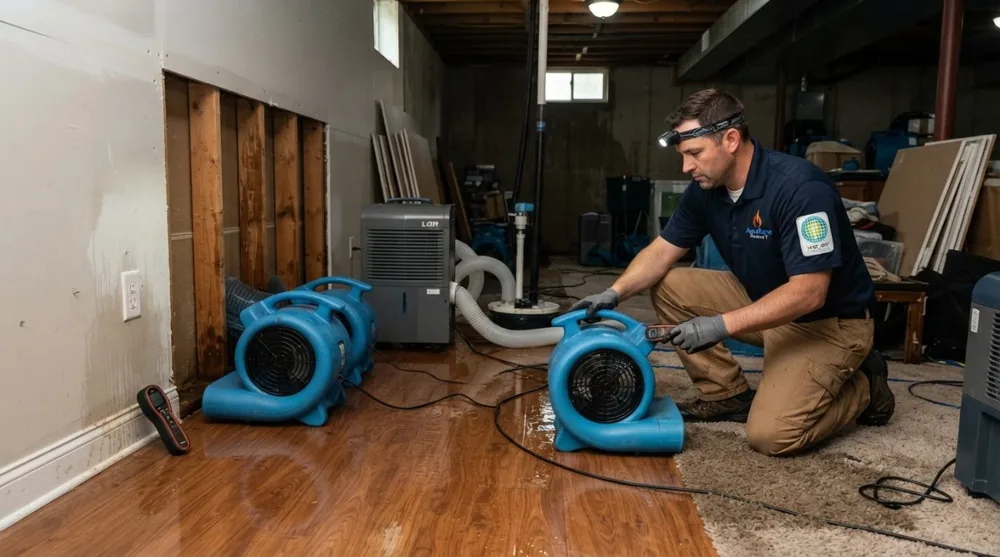
Drying equipment goes in
With extraction done and unsalvageable material out, the drying system is placed: commercial low grain refrigerant dehumidifiers sized to the space, air movers aimed to sweep wet surfaces, and specialty drying for cavities and hardwood where the loss calls for it. Household fans and a consumer dehumidifier cannot do this work; the equipment math in the IICRC S500 standard is built on how much water the air in the room can be made to give up, and domestic units are not in that league.
From here the job becomes a daily discipline. Readings are taken at the same marked points each day, compared against a dry standard taken from an unaffected part of the same house, and written into the drying log. Equipment is added, moved or removed based on those numbers. On a well run water damage restoration Albany job you should be able to ask on any morning exactly how wet the wall is, how wet it was yesterday, and what number it has to reach. If nobody can answer, the job is being dried by hope.
Storm water: the first 48 hours
After a Big Storm or Spring Thaw: The First 48 Hours in Albany
Storm losses in Albany rarely arrive as one clean event. They arrive as groundwater rising through the floor, a sump pump overwhelmed or dead with the power, and, in the older urban core, a combined sewer pushing water back up through the lowest drain in the house.
The first judgement is which water you have. Clean groundwater that seeped through a foundation is a drying problem. Storm water that entered over the ground carries soil and contaminants and is treated as Category 3. Water that came up through a floor drain, a toilet or a basement shower is sewage influenced no matter how clear it looks, and it is handled with protective equipment, containment and disinfection, never with a mop and good intentions.
WikiHow's basement drying guidance, written for homeowners generally, makes a point Albany homeowners should know before they pump: wait until the outside water level is lower than the basement water level before pumping a deeply flooded basement, because pumping against higher outside pressure can damage basement walls. It also sets the homeowner scale honestly: towels for less than 2 inches of water, a wet vac or pump for deeper water, and everything moved to a ventilated space to dry within 48 hours, because mold follows moisture that stays.
- Identify the water before touching it: seepage, overland storm water, or drain backup.
- Do not pump a deep basement against higher outside water.
- Photograph the high water line on the walls before any pumping.
- Keep people and pets out of water that came through drains.
- Put soaked important documents in the freezer to stop mold until they can be dried properly, per the same WikiHow guidance.
- Call early: after a regional storm, every water damage restoration Albany crew is booked by the same rain.
The second judgement is the sump pump. Spring thaws in Albany coincide with heavy rain, and snowmelt from inland areas combined with rain can produce rapid rises in the water table that overwhelm sump systems, as the Largo Albany page puts it. A pump can be undersized, jammed by debris, tripped on its breaker, or simply dead with the power out. If the pump failed, keep it. A failed pump, photographed in its pit, is evidence in a claim that may turn on a sump pump or water backup endorsement.
The third judgement is what the water touched. Storm losses soak the bottom of everything: furnace bases, water heaters, stored belongings, the lower run of stairs, the bottom plate of every wall. A water heater whose pilot went out under water is a question homeowners ask after every flood, and the safe answer is the boring one: do not relight or run a flooded gas appliance until it has been checked, because burners, controls and valves that sat in water are not trustworthy.
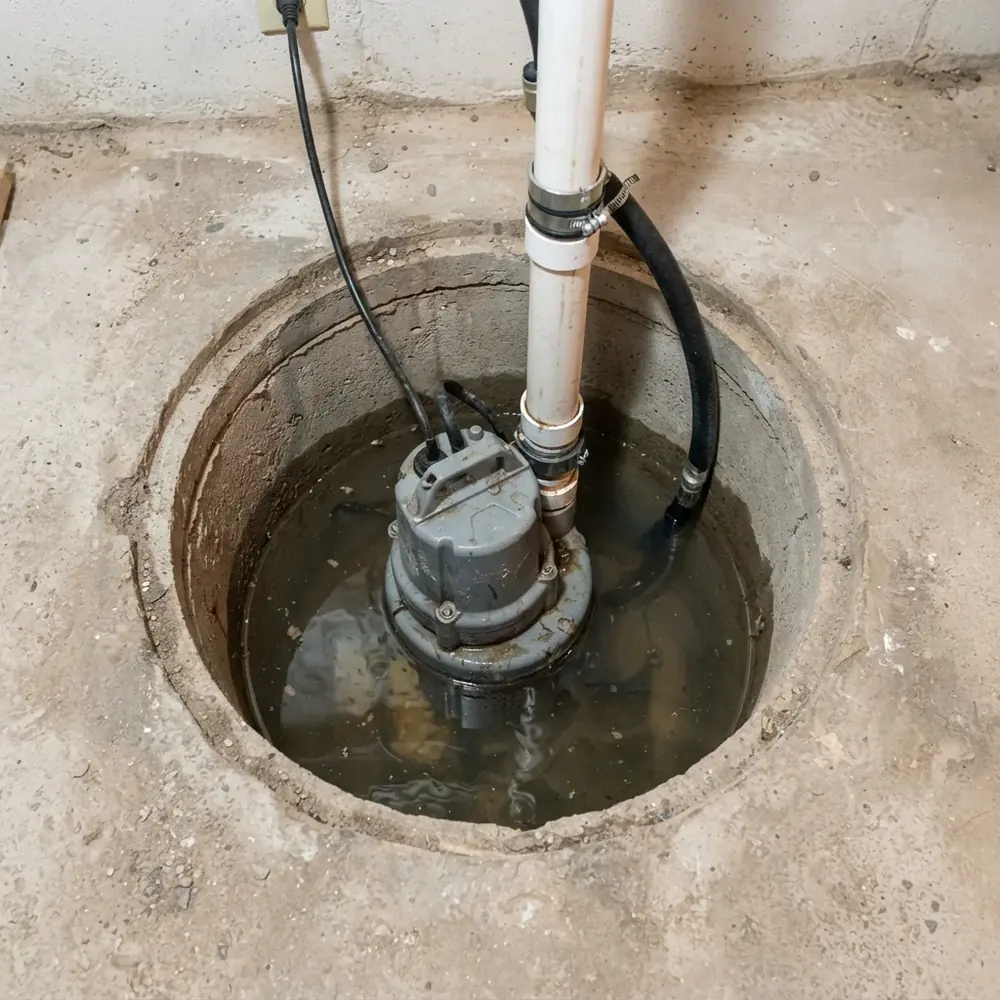
Storm water in the basement right now?
Call the 24/7 water damage restoration Albany line. The dispatcher will sort clean seepage from drain backup on the phone and tell you what is safe to touch while a crew is dispatched.
The basics, properly explained
What Water Damage Restoration Actually Is
It is two jobs, not one
Mitigation stops the loss: extraction, removal of what cannot be saved, drying and stabilization. Restoration finishes it: the verified dry out and the rebuild. A water damage restoration Albany job that only does the first half leaves you with open walls and no one scheduled to close them.
It is measured, not guessed
Dry is a number. Moisture meters, thermal imaging and daily readings against a dry standard decide what stays, what goes and when equipment comes out. Any water damage restoration Albany quote given without a meter in hand is a guess wearing a uniform.
It is documented for the claim
Moisture maps, drying logs, dated photos and a line item estimate are part of the service, because in Albany the insurer's clocks start running the day you notify the claim, and the file is what gets it paid.
Albany key facts, with sources
| Fact | Albany figure | Source |
|---|---|---|
| City role | Capital of New York State since 1797, and the county seat of Albany County | Wikipedia, Albany, New York |
| Setting | West bank of the Hudson River, about ten miles south of its meeting with the Mohawk River | Wikipedia, Albany, New York |
| Population | 99,224 | 2020 United States census, as cited on The RainMasters Albany page |
| Homes built before 1940 | About 42.6 percent; median home built in 1949 | Point2Homes Albany demographics, citing Census data |
| Homes built before 1980 | About 77 percent | Water Damage Xpert, citing Census Bureau American Community Survey (ACS) 2020 to 2024 |
| Renter households | About 52 percent | Water Damage Xpert, citing ACS 2020 to 2024 estimates |
| Flood claims since 2000 | 85 NFIP claims in the covered ZIP codes, 19 of them from Hurricane Irene | Water Damage Xpert, citing FEMA OpenFEMA, retrieved 14 November 2026 |
| Federal disasters since 2000 | 6 federal flood or storm disaster declarations for Albany County | Water Damage Xpert, citing FEMA OpenFEMA Disaster Declarations |
| January climate | Average high near 33 degrees Fahrenheit, average low near 16; record low minus 28 on 19 January 1971 | National Weather Service 1991 to 2020 normals, as cited by Albany trade pages |
| Annual snowfall | About 59 inches | NOAA 1991 to 2020 climate normals, as cited on The RainMasters Albany page |
| Core ZIP codes | 12202, 12203, 12204, 12205, 12206, 12207, 12208, 12209, 12210, 12211, 12222, 12226 | Water Damage Xpert and ABC Water Damage Restoration Albany pages |
Figures are stated with the source each one was read from on 19 November 2026. Census derived figures are labelled with the page that cited them, because the underlying survey tables were not re-opened for this guide.
Not sure what your job actually is yet?
That is normal at hour one. A water damage restoration Albany inspection sorts mitigation from rebuild, clean water from sewage, and covered from uncovered, with a meter and a written quote, free.
Room by room
Water Damage in Each Room: What to Watch, What to Save
Water behaves differently in every room of an Albany home, and the age of the housing stock changes the answers. Plaster, hardwood, cast iron and shared walls run through the rowhouse neighbourhoods, while the suburban towns add finished basements and attached garages.
Basements
The basement is where Albany water ends up, whatever door it came through. Sump failure, foundation seepage, drain backup and a burst pipe two floors up all finish in the same low room. Watch the base of the furnace and water heater, the bottom plate of every wall, stored cardboard, and the floor drain itself, which is both a relief valve and an entry point when the combined sewer surcharges. Finished basements in Colonie, Guilderland and the Helderberg side of the city hide wet drywall and insulation behind paneling and paint; meters, not eyes, decide what is wet. Most basement contents on the floor are lost in a sewage event and many are saved in a clean water event caught early, which is why the first question on any water damage restoration Albany basement job is which water it was.
Kitchens
Kitchen losses are slow and hidden: a dishwasher supply line, an ice maker line, a sink trap rotting through a cabinet base. The signature damage is the cabinet toe kick, the recessed base under the cabinets, which swells and delaminates quietly while the floor in front of the sink cups. By the time a homeowner sees staining, the subfloor under the cabinets has often been wet for weeks, which moves the claim from sudden and accidental toward gradual, and the documentation fight begins. A water damage restoration Albany inspection meters under and behind cabinets as a matter of routine, because that is where kitchen water lives.
Bathrooms
Upstairs bathroom overflows are the loss that brings down a ceiling: a tub or toilet lets go, and the room below takes the water through the ceiling assembly. Wax ring failures and failed shower pans leak slowly into the floor structure, softening subfloor around the toilet base until the floor feels spongy. In two family and three family rowhouses, the bathroom above is often another household's bathroom, which is why bathroom losses in Albany so often involve two insurance policies and one shared ceiling.
Living rooms and bedrooms
Here the enemies are ice dams above and radiator and steam leaks within. Older Albany homes heat with steam and hot water systems, and a radiator valve or riser leak can run for days behind furniture before it shows. Hardwood is the big saveable: cupped boards can recover when dried slowly and correctly, while rushed drying or delayed drying both ruin floors that patience would have saved. Plaster ceilings that took water need a meter and a judgement call; plaster dries slowly but is tougher than it looks, and many Albany plaster ceilings survive losses that would have destroyed drywall.
Attics and roofs
The attic is where ice dam water enters and where frozen pipes in exterior walls and unheated spaces let go during deep cold. Wet attic insulation loses its insulating value and holds moisture against the ceiling below. The visible ceiling stain is often only 10 to 20 percent of the actual saturation area, per Clifton Development Group, which is why attic losses are scoped with a meter from above and below, not from the stain.
Garages, mudrooms and laundry rooms
Washing machine hose failures are among the most common routed calls in Albany, per the ABC Water Damage Restoration Albany page, and they ruin laundry room and hallway flooring in a single cycle. Water heaters rupture into garages and adjoining rooms. These utility spaces share one trait: the water runs unnoticed the longest, because nobody lingers in them. A water alarm behind the washer and at the water heater base is the cheapest sentence on this entire page, and it converts a weekend flood into a ten minute shutoff.
Why it happens
What Causes Water Damage in Albany Homes
Every water damage restoration Albany call has a cause, and Albany's causes are written into its winters, its river, its sewers and its housing stock. Naming the cause correctly is not academic: it decides the cleanup standard, the claim category and whether it happens again.
Frozen and burst pipes
Pipe freezes and bursts are the most common water loss in the Capital Region, per Clifton Development Group, and the climate explains it. January averages a high near 33 degrees Fahrenheit and a low near 16, the record low is minus 28 degrees set on 19 January 1971, and Albany winters regularly send temperatures below 0 degrees. Pipes in exterior walls, unheated crawlspaces and attics of homes built long before modern insulation sit in that cold for weeks. When a pipe freezes, the ice plug raises pressure until the pipe splits, and the flood often starts at the thaw, hours after the freeze, when nobody connects the two events.
Ice dams
Heat leaking through a poorly insulated attic melts roof snow from below; the water runs to the cold eave, refreezes, and builds a ridge of ice that ponds the next melt behind it, under the shingles and into the ceiling and wall assemblies. Older, poorly ventilated roofs are the most vulnerable, and Albany has them in every pre-war neighbourhood. Ice dam losses arrive as ceiling stains and peeling paint days after the storm, which is why homeowners so often report them as a roof leak that started from nowhere.
Sump pump failure and spring melt
Albany basements sit in clay heavy soils with a water table that rises in wet seasons. Spring snowmelt combined with rain can raise groundwater faster than a tired pump can move it, and pumps fail in the ordinary ways: worn switches, jammed floats, tripped breakers, and power outages in the same storm that brings the water. Basement flooding from sump pump failure, foundation seepage and storm drain backup is a standing feature of Albany springs, per Clifton Development Group.
Sewage and combined sewer backup
Much of Albany's urban core is served by a combined sewer system, where storm water and sanitary sewage share the same pipes. Intense rain can overwhelm that system and push water back through floor drains, basement toilets and shower drains, a pattern described on Albany restoration pages covering the city's low ground. A backup is Category 3 water by definition, and it is the loss most likely to be limited or excluded unless the policy carries a water backup endorsement.
The Hudson River, the Normans Kill and Patroon Creek
Albany stands on the west bank of the Hudson River about ten miles south of the Mohawk confluence, per Wikipedia, and the river is tidal as far north as Albany. Low lying ground near the Hudson, the Normans Kill and Patroon Creek faces recurring inundation, per Albany restoration pages describing the city's flood pattern, and late winter ice jams can push water out of the channel with little warning. River flooding is a flood insurance question, not a homeowners insurance question, and the Irene section of this page tells the dated story of what that means in Albany County.
Old plumbing, old drains, old laterals
In rowhouse blocks like Center Square, Pine Hills, the Mansion District and Arbor Hill, drain lines are usually era typical cast iron inside the house and clay or Orangeburg laterals out to the street, per Empire State Plumbing's Albany sewer page. After 80 plus years those materials sag, crack at the joints and let roots in. The result is the slow loss: a drain that backs up under load, a lateral that seeps, a joint that weeps into a wall. Slow losses are the ones insurers most often dispute, and the ones where early documentation matters most.
Appliances and water heaters
Water heater ruptures, washing machine hose failures, dishwasher leaks and refrigerator lines are the year round background hum of water damage restoration Albany work, named as the most common routed calls on the ABC Albany page. They share a trait with the slow plumbing losses: the damage is proportional to how long the water ran, and most of these appliances sit where nobody watches them. A burst washer hose on an upper floor is a whole house event by lunchtime.
Storms, nor'easters and wind driven rain
The Capital Region's storm menu runs from nor'easters and ice storms to summer downpours that drop inches of rain in a couple of hours, overwhelming storm drainage and driving water through roofs, siding and window assemblies that hold in ordinary rain. Storm losses combine causes: the same night can bring a power outage, a dead sump pump, a surcharged drain and a roof leak, and the water damage restoration Albany scope has to separate them, because the insurer will.
How the work runs
Our 6-Step Water Damage Restoration Process
Every water damage restoration Albany job on this page runs the same six steps, in the same order, because the order is the quality control. Skip the mapping and the drying is guesswork; skip the verification and the rebuild is a mold claim waiting for a date.
Inspect and moisture map
The crew finds the source, meters every wall, floor and cavity, and maps exactly what is wet before any water damage restoration Albany equipment is placed. Thermal imaging checks behind finished surfaces, and suspect material in older Albany homes is flagged for lead and asbestos testing before anyone disturbs it.
Extract standing water
Truck mounted and portable extractors remove standing water, and unsalvageable material such as soaked carpet pad is taken out. Extraction is the fastest drying there is, and on a water damage restoration Albany job it is measured in hundreds of gallons, not buckets.
Remove what cannot be dried
Porous material that took Category 3 water, swollen manufactured wood, wet cavity insulation and ruined drywall come out, each piece photographed and logged with the meter reading that condemned it. Plaster, solid hardwood and framing are dried in place wherever readings say they can be saved.
Dry to meter readings
Commercial dehumidifiers and air movers run continuously while technicians take daily moisture readings against the dry standard for the house. Equipment is repositioned as the map shrinks. The job is dry when the readings say so, on every material, not when the calendar says so.
Clean, sanitize and protect against mold
Affected surfaces are cleaned and treated with antimicrobial products matched to the water category. Sewage affected areas are disinfected under containment. If established mold over 10 square feet is found during a water damage restoration Albany job, work pauses for the Article 32 route: a licensed assessor writes the plan, and a separate licensed remediator does that work.
Repair, rebuild and document
Drywall, flooring, trim, cabinets and paint removed during drying are replaced and finished back to pre-loss condition, and the full file, moisture maps, daily drying logs, photos and the equipment record, is compiled into the documentation your adjuster needs.
Day by day
A Drying Diary: What a Normal Albany Job Feels Like
Homeowners imagine restoration as chaos. A well run water damage restoration Albany job is closer to a weather system parked in your house: loud, warm, and boring in the best way, with a technician appearing daily to take numbers and adjust the machinery.
Day one: noise, heat and a map on the fridge
The first day is the disruptive one. Furniture is moved or blocked up, baseboards come off in the wet rooms, the pad comes out from under wet carpet, and the equipment goes in: air movers that sound like a workshop and dehumidifiers that pour heat and water in equal measure. The crew leaves you with three things: a moisture map showing what is wet, a dry standard taken from an unaffected room, and a straight answer about what can be saved. Sleep that first night is light. That is normal, and it is temporary.
Days two and three: the numbers fall
The daily visit is short. The technician meters the marked points, empties or checks the dehumidifiers, moves an air mover or two, and updates the log. Surface materials, drywall faces, carpet, softwood, fall fast. The slow materials announce themselves now: the plaster wall that is still reading high, the hardwood that needs gentler air, the wall cavity drying through its weep holes. A good crew explains the slow spots instead of hiding them, because the slow spots decide the end date of your water damage restoration Albany job.
Days four and five: verification
As readings approach the dry standard, the job turns from drying to proving. Points are rechecked, cavities are probed, and the standard is the standard: the material matches the moisture content of the same material in a dry part of the house. Equipment comes out room by room as each zone verifies. Pulling everything a day early because the surface feels dry is the single most common cause of secondary mold, per The Dry Boys of Albany, and it is the shortcut this page's process refuses.
After the equipment leaves
Quiet returns, and the rebuild conversation starts with the file already complete: the map, the logs, the photos, the list of what was removed and the readings that justified each removal. That file goes to the adjuster. The rebuild then runs like ordinary renovation, drywall, flooring, trim, paint, with one difference: it starts from a verified dry structure, so nothing is being sealed over damp. The water damage restoration Albany jobs that end well all share that trait. The dry out was proven before the walls were closed.
The numbers people actually ask for
Drying Timeline: By Class and By Material
Drying time is set by the class of the loss, how much material is wet and how deep the water went, and by the materials themselves. These are the ranges Albany competitors and standards describe, stated as ranges because any honest water damage restoration Albany timeline is one.
| Loss class (IICRC S500) | What it means | Typical drying time |
|---|---|---|
| Class 1 | Small area, little water absorbed, minimal carpet and pad affected | 1 to 2 days |
| Class 2 | A whole room or more, water wicked up walls less than 24 inches, carpet and pad wet | 2 to 4 days |
| Class 3 | Water from overhead or walls saturated more than 24 inches; ceilings, walls, insulation and floors wet | 3 to 5 days, longer in plaster construction |
| Class 4 | Deep pockets in low porosity materials: hardwood, plaster and lath, masonry, stone foundations | 5 to 14 days with specialty drying; the classic pre 1940 Albany case |
By material
Drywall faces dry fast; the cavity behind them is the question. Hardwood dries from the top and the subfloor at once, and cupping reverses only if the drying is slow and even. Plaster and lath, the signature wall of Center Square and Pine Hills, releases moisture slowly and is metered in days, not hours. Stone foundations in the oldest Albany homes breathe moisture from the soil side all season, which changes the dry standard conversation in below grade rooms. Concrete dries slowly and honestly; it will not be hurried, and coatings or flooring laid over damp concrete fail on a schedule.
By water category
Category 1 water is clean water from a supply line or an appliance, and it is the most forgiving: more material can be dried in place. Category 2 water carries contamination, a dishwasher or washing machine discharge for example, and raises the cleaning standard. Category 3 water is grossly contaminated: sewage, floodwater and rising groundwater. Porous materials that absorbed Category 3 water are removed, not dried, and that single rule explains most of the demolition difference between two water damage restoration Albany jobs that look identical from the street.
Want a timeline for your rooms, not a range?
A water damage restoration Albany inspection gives you the class of your loss and a day count based on your materials, in writing, before work starts.
What we do
Water Damage Services in Albany and Albany County
Nine services cover nearly every water damage restoration Albany call, from the 2 a.m. burst pipe to the spring basement. Each one below is described the way it is actually performed, with the Albany detail that changes how the job runs.
Emergency water extraction
Truck mounted and portable extraction for standing water in basements, ground floors and whole homes. The first service on every water damage restoration Albany emergency, because gallons removed by machine never have to be dried out of the air.
Structural drying and dehumidification
Commercial dehumidifiers, air movers and cavity drying placed by the moisture map and checked daily. Plaster, hardwood and stone, the slow materials of older Albany homes, get the specialty drying time they need instead of a surface pass.
Flooded basement cleanup
Sump failure, foundation seepage and storm water cleanup for Albany basements, finished and unfinished. Water identified first, clean groundwater, storm water or drain backup, because the category sets the whole cleanup standard.
Sump pump failure cleanup
Cleanup and drying after a pump dies in spring melt or a storm outage, plus the failure documented for the claim: the pump, the pit, the high water line. Battery backup and water alarms discussed before the crew leaves, not after the repeat.
Burst and frozen pipe cleanup
The Capital Region's most common loss. Cavity drying where the split pipe fed the wall, floor drying below, and the failed section of pipe kept for the adjuster. Winter water damage restoration Albany work is mostly this, done fast and dried slow.
Sewage backup cleanup
Category 3 cleanup with protective equipment, containment, removal of porous material that absorbed sewage, and disinfection. Combined sewer backups through floor drains and toilets are the Albany specialty nobody wants and many homes eventually meet.
Mold remediation
Mold work run the New York way: assessment and remediation by separate licensees under Article 32 for projects over 10 square feet, containment and HEPA filtration to the IICRC S520 standard. Prevention, though, is the real service: verified drying that never gives mold its 24 to 48 hours.
Ice dam leak drying
Ceiling and wall drying after ice dam water works under the shingles, scoped from the attic side and the room side, because the visible stain is a fraction of the wet area. Attic insulation and ventilation fixes are part of the conversation, so next winter is different.
Reconstruction and rebuild
Drywall, flooring, cabinets, trim and paint put back after verified dry out, under the same point of contact that ran the drying. The second half of water damage restoration Albany work, scheduled before the first half ends, so open walls never wait on a handoff.
The services, properly explained
Services in Depth: What Each Job Really Involves
Service lists are easy to write and hard to mean. This section explains the judgements inside the main water damage restoration Albany services: what decides save versus remove, what the equipment is actually doing, and where Albany's housing stock changes the standard answer.
Save versus remove: the hardwood question
Solid hardwood is the material homeowners most want saved and crews most often ruin with haste. A wet hardwood floor cups, edges rising as the boards take moisture from below, and it can recover if the subfloor is dried and the floor is dried slowly and evenly. Crowning, the opposite deformation, can follow drying that was too aggressive on the surface. Engineered flooring and laminate behave differently: their layered construction delaminates, and no drying schedule reverses it. The water damage restoration Albany approach is to meter the floor and the subfloor, dry with controlled airflow, sometimes with specialty floor drying mats, and let readings over days make the call. A floor condemned on day one by eye is a floor nobody metered.
Cabinets and toe kicks
Cabinet bases fail quietly. The toe kick recess traps water against the cabinet floor and the wall behind, and manufactured wood swells out of square while the doors still close fine. Crews remove toe kicks to meter and dry the cavity, and the honest finding is sometimes that the base is lost while the boxes and doors above are fine. Replacing a base and refitting sound cabinets is a normal water damage restoration Albany outcome, and it is a fraction of the disruption of a full kitchen replacement.
Contents: pack out, cleaning and storage
Contents work starts with photographs, because the adjuster's file and your memory both need them. Salvageable items are cleaned, dried and, where the job requires it, packed out to secure storage while the structure dries and rebuilds. Porous items that took Category 3 water, upholstered furniture and mattresses in a sewage loss for example, are documented and disposed of, not cleaned. Odor is handled at the source: cleaning, sealing where appropriate and deodorization after drying, never perfume over a damp wall. SERVPRO's Albany pages list contents packout and restoration with secure storage as a core service, and ABC's Albany page covers contents cleaning and storage the same way; the point for homeowners is to ask, before work starts, where your belongings go and who photographs them.
What the drying equipment is doing
A dehumidifier does not dry a wall. It dries the air, and the dry air pulls moisture out of the wall, and the air movers keep that exchange moving across wet surfaces. Low grain refrigerant units pull water from air even as the room dries, which is why commercial units keep working where a household unit stalls. Cavity drying systems push dry air into wall assemblies through small holes, often hidden behind removed baseboards, so a wall can dry in place instead of being demolished. Every piece is placed from the moisture map and moved as the map changes; equipment parked by habit instead of by readings is how a water damage restoration Albany job runs five days and dries three days' worth.
Antimicrobial treatment, honestly described
After extraction and cleaning, affected surfaces are treated with antimicrobial products matched to the water category. The treatment suppresses microbial growth on cleaned surfaces while drying finishes the job. It is not a substitute for drying, and it is not magic: mold is prevented by removing the moisture, and any water damage restoration Albany company selling spray as a stand alone mold cure is selling the wrong thing. Where growth is already established beyond the 10 square foot line, the job changes legal character entirely, and the mold section of this page explains the Article 32 route that New York requires.
Odor after water
The musty smell after a water loss is microbial volatile compounds from growth in damp material, and it clears when the material is dry or removed and the surfaces are cleaned. Persistent odor after a verified dry out means something stayed wet or something stayed behind: a cavity nobody opened, a pad nobody pulled, a drain trap that took sewage. Odor is therefore a diagnostic, not a nuisance, and a water damage restoration Albany crew should treat a lingering smell as an unfinished reading, not a request for stronger fragrance.
Where we work
Albany Neighbourhoods: The Water Risk Changes by Street
No Albany competitor maps water risk neighbourhood by neighbourhood; they list names and stop. Albany is a city of pre-war rowhouses on the hill, low ground along the Hudson, and postwar suburbs around it, and each setting fails differently. Pick a neighbourhood to see its signature risks, then read the full detail below.
Your street not listed?
Water damage restoration Albany coverage runs citywide and across the Capital Region towns in the areas section below. Call and describe the house; the age and the plumbing tell us most of the story.
Neighbourhood by neighbourhood
Areas in Depth: Risk by Neighbourhood and ZIP
This is the table no competitor built: each Albany neighbourhood matched to the water risks its housing stock, elevation and sewers actually carry, followed by the ZIP level housing data that explains why the risks fall where they do.
| Neighbourhood | Housing character | Signature water risks |
|---|---|---|
| Center Square | Pre 1940 brick rowhouses, shared walls, shared plumbing runs | Neighbour leaks through party walls, cast iron drain failure, ice dams on older roofs, plaster drying as Class 4 |
| Pine Hills | Early 1900s homes and student rentals near the universities | Frozen pipes in exterior walls, upstairs bathroom overflows, high renter share so reporting delays are common |
| Mansion District | Historic rowhouses, some of the oldest stock in the city | Clay and Orangeburg laterals, stone foundations, lead and asbestos testing before any demolition |
| Arbor Hill | 19th and early 20th century rowhouses on the hill above downtown | Aging combined sewers, drain backups in heavy rain, old supply lines, shared wall losses |
| South End | Low ground toward the Hudson and the Normans Kill side of the city | River and creek influenced flooding, high water table, sump strain, flood insurance questions on every job |
| Downtown | Commercial core, offices, converted historic buildings | Commercial losses in occupied buildings, old risers and roof systems, documentation heavy claims |
| Washington Park | Grand older homes around the park | Steam and radiator leaks, ice dams, plaster and hardwood worth specialty drying |
| Helderberg | Newer residential streets on the city's west side | Sump pump failure in spring melt, finished basement losses, appliance and water heater failures |
Neighbourhood list as named on the KPM Restoration Albany page and the competitor pages read for this guide. Risk character is drawn from the housing age, sewer and flood material in those same pages, labelled by source in the sections that follow.
Albany ZIP codes: housing age and renter share
| ZIP | Median year built | Built before 1980 | Renter households |
|---|---|---|---|
| 12202 | 1939 or earlier | 86 percent | 74 percent |
| 12209 | 1939 or earlier | 90 percent | 34 percent |
| 12210 | 1939 or earlier | 81 percent | 75 percent |
| 12206 | 1949 | 79 percent | 73 percent |
| 12208 | 1954 | 74 percent | 55 percent |
ZIP figures as published by Water Damage Xpert, citing United States Census Bureau, American Community Survey 2020 to 2024 5 year estimates. The full Albany ZIP list covered by this page: 12202, 12203, 12204, 12205, 12206, 12207, 12208, 12209, 12210, 12211, 12222 and 12226.
The rowhouse neighbourhoods
Center Square, the Mansion District, Arbor Hill and Washington Park share a building type: brick rowhouses built before 1940, sharing walls and often sharing the age of their plumbing with the whole block. Empire State Plumbing's Albany sewer page describes the standard arrangement: cast iron drains inside the house, clay or Orangeburg laterals to the street, and after 80 plus years, sags, cracked joints and root intrusion. For water damage restoration Albany work, the rowhouse facts that matter are three. A leak respects no property line, so the wet wall may belong to two owners and two policies. Plaster dries slowly and is worth saving. And the drain system is part of every diagnosis, because a backup in a rowhouse basement is as often a failing lateral as a city surcharge.
Pine Hills and the renter reality
Pine Hills mixes early 1900s housing with a large student and renter population, and the ZIP data shows renter shares above 70 percent in parts of the city core. Renters change the water damage timeline: a slow leak is reported late, a shutoff is not found, a landlord learns about the loss from the ceiling below. The renter and landlord section of this page covers who calls, who pays and what each side should document, because in Albany that is not an edge case. It is half the housing market.
The low ground: South End and the river side
The South End runs toward the Hudson and the low ground where the Normans Kill reaches the river. Albany restoration pages describe low lying areas near the Hudson, the Normans Kill and Patroon Creek as facing recurring inundation, with clay heavy soils that drain poorly and a water table that rises in wet seasons. Homes here live with sump pumps as essential equipment, not accessories, and every water damage restoration Albany job on the low ground includes the flood insurance conversation, because river and groundwater flooding sits outside a standard homeowners policy.
The towns around the city
Colonie, Guilderland, Bethlehem with Delmar and Slingerlands, Latham and Loudonville, Watervliet, Menands, Cohoes, Rensselaer and East Greenbush ring the city with postwar and suburban housing: finished basements, attached garages, sump dependent foundations and appliance driven losses. Troy and Schenectady are served as part of the wider Capital Region. The suburban pattern differs from the rowhouse pattern in one big way: the losses are more often single system failures, a pump, a heater, a hose, caught by one household, where the city pattern is shared systems failing across shared walls. Both patterns end at the same place: extraction, verified drying, documented rebuild, scoped the same way by any thorough water damage restoration Albany inspection.
The full New York site
All Pages: Water Damage Help Across New York
This Albany page is one part of a statewide New York resource. The home page covers water damage restoration New York wide, the borough pages go deep on New York City neighbourhoods, Rochester covers the Finger Lakes, and the service pages cover insurance claims, hidden water, fire and flood work in the same detail as this water damage restoration Albany page.
Water Damage Restoration New York
The home page: the statewide guide to emergency cleanup, drying and repair, with the full process and every borough linked.
Water Damage Restoration NYC
All five boroughs, the Hudson and East rivers, one fast response.
Brooklyn
Brownstones, garden units and basement apartments: water damage restoration for Brooklyn homes and buildings.
Queens
Houses, basement apartments and sewer backups across Queens, the city's basement apartment borough.
Bronx
Pre-war rentals, radiator leaks and landlord duties in the Bronx, with the documentation that protects everyone.
Staten Island
Detached homes, coastal flooding and big finished basements on Staten Island.
Long Island
Suburban homes, finished basements and burst winter pipes across Long Island.
Manhattan
Co-ops, condos and pre-war towers: riser leaks, building rules and high rise drying in Manhattan.
Rochester
Lake Ontario shoreline homes, lake effect snow and Monroe County basements: water damage restoration in Rochester.
Buffalo
Lake-effect snow, frozen pipes and basement floods across Erie County.
Water Damage Restoration Syracuse
Lake-effect snow, frozen pipes and creek floods across Onondaga County.
Water Damage Restoration Yonkers
Saw Mill River floods, burst pipes and pre-war buildings across Westchester County.
Water Damage Restoration New Rochelle
Long Island Sound storms, Hutchinson River floods and pre-1980 homes across Westchester County.
Water Damage Restoration Mount Vernon
Hutchinson River floods, century-old sewers and basement backups in Westchester's most densely packed city.
Water Damage Restoration Schenectady
Mohawk River floods, Stockade ice jams and frozen pipes across the Capital Region.
Water Damage Restoration Utica
Mohawk River floods, Sauquoit Creek overflows and frozen pipes across Oneida County.
Water Damage Restoration White Plains
Bronx River floods, Mamaroneck River overflows and frozen pipes across Westchester County.
Water Damage Restoration Troy
Hudson River floods, Poesten Kill overflows and frozen pipes across Rensselaer County.
Water Damage Restoration Niagara Falls
Niagara River ice jams, Cayuga Creek floods and frozen pipes across Niagara County.
Water Damage Restoration Binghamton
Susquehanna and Chenango River floods, burst pipes and frozen pipes across Broome County.
Water Damage Restoration Westchester County
Mamaroneck River floods, Bronx River and Saw Mill River flash floods, frozen pipes across Westchester County.
Water Damage Restoration Hudson Valley
Hudson River and creek floods, tidal surge, frozen pipes across the Hudson Valley.
Water Damage Restoration Capital Region
Hudson and Mohawk floods, burst pipes, ice jams across the Capital Region.
Water Damage Restoration Western New York
Lake effect snowmelt, ice jams and creek floods across the eight county region.
Water Damage Restoration Finger Lakes
Eleven lakes, Genesee River floods and canal towns across the fourteen county region.
Water Damage Restoration Central New York
Syracuse and Utica, Oneida Lake and the Mohawk River, across two state regions.
Water Damage Restoration Southern Tier
Binghamton and Elmira, Susquehanna and Chemung rivers, across eight counties.
Insurance Claim
How a New York water damage insurance claim works, what adjusters need, and the deadlines that decide claims.
Behind Walls
Hidden water damage behind walls: the signs, the meters, and when a wall has to open.
Fire Damage Restoration
Fire and smoke damage restoration, including the water damage every fire leaves behind.
Flood Cleanup
Flood cleanup after storms and rising water: extraction, sanitation and drying for flooded properties.
Water Damage Remediation
Remediation in depth: contaminated water, mold risk and the standards that govern cleanup work.
Fire Damage Cleanup
Fire damage cleanup: soot, odor and debris removal after the fire is out.
How Long Does Mold Take to Grow After Water Damage?
The 24 to 48 hour mold timeline, warning signs, and what stops it.
Water Damage Restoration Process
The full restoration process, step by step, from first call to dry home.
What Is Water Damage Restoration
What restoration really is, what it includes, and when to call.
Mold Remediation New York
New York's licensed remediation system, from assessment to clearance.
Water Removal NYC
Standing water pumped out fast, then dried safe, for every NYC home.
Water Damage NYC
Water damage in NYC explained plainly, with fast help for every home.
Water Damage Cleanup Nyack NY
Water damage cleanup in Nyack explained plainly, with fast help for every home.
How to Choose a Water Damage Restoration Company in New York
How to choose a water damage restoration company in New York, with every check that protects your home.
How to Choose a Water Damage Restoration Company in New York
Commercial Water Damage Restoration NYC | 24/7 Emergency Help
Commercial water damage in NYC explained plainly, with fast help for every business.
Commercial Water Damage Restoration NYC | 24/7 Emergency Help
Basement Water Damage Restoration NYC
Basement water damage in NYC explained plainly, with fast help for every basement.
Water Damage Repair New York
Water damage repair in New York explained plainly, with fast help for every home.
Water Damage Restoration Poughkeepsie New York
Water damage restoration in Poughkeepsie explained plainly, with fast help for every home.
Emergency Water Damage NYC
Emergency water damage in NYC explained plainly, with fast help when every minute counts.
Water Damage Cleanup in NYC
Water damage cleanup in NYC explained plainly, from torn-out materials to dry rooms again.
Flood Damage Restoration NYC
Flood damage restoration NYC explained plainly, from flood events and NFIP claims to dry rooms and a flood-resistant rebuild.
How Long Does Water Damage Restoration Take
How long water damage restoration takes explained plainly, phase by phase, from the first visit to fully dry rooms and the rebuild.
Flood Damage Cleanup Washington Heights
Flood damage cleanup in Washington Heights explained plainly, with fast help for flooded basements, sewer backups and pre-war buildings.
Does Insurance Cover Water Damage Restoration
Whether insurance covers water damage restoration, explained plainly, by cause and New York rule.
Water Damage Mold Remediation
Mold that grew after a leak or flood, remediated the New York way, by licensed assessor and remediator.
Water Damage Restoration Companies New York
Compare the companies serving New York: national franchises, regional firms and local independents, and how to verify licences and certification before you hire.
Water Damage From Upstairs Neighbor
Water damage from an upstairs neighbor in New York City: who pays, what to do in the first hour, and how to document, report and claim.
Know the framework
Albany Rules: The New York State Laws Behind Your Job
Albany is governed by New York State law, the same statutes that run in Rochester, Syracuse and Buffalo. No Albany competitor page sets those laws out in one place. This section does, in plain English, and it is general information, not legal advice: check your own policy and the current statute text for your claim.
The claim clocks: Regulation 64
Regulation 64, formally 11 NYCRR Part 216, is New York's claims handling regulation, issued under Insurance Law section 2601. It sets the deadlines your insurer works to. Upon notification of a claim, the insurer must acknowledge receipt within 15 business days. It must begin its investigation within 15 business days of notice. After receiving a properly executed proof of loss and all items it requested, it must accept or deny within 15 business days. If it needs more time, a written explanation is required, with continuing written updates while the claim stays open. An appropriate reply must also be made within 15 business days on other pertinent communications about your claim. These clocks are why the date you notify your claim, and proof that you did, belong in your loss log from hour one of any water damage restoration Albany job.
The disaster pay clock: Insurance Law 2618
After a declared natural disaster, Insurance Law section 2618 sets a faster clock for payment of an agreed settlement: 4 business days. That figure matters after the kind of regional event, a flood, a major storm, that produces Albany's biggest claim volumes, and it is stated here at 4 business days deliberately, because an older 3 day figure circulates from a 2021 draft bill that was not the enacted clock. When a settlement is agreed after a declared disaster, count 4 business days, and put the agreement in writing.
The suit limit: Insurance Law 3404
The standard fire policy language carried in Insurance Law section 3404 gives you two years, 24 months, to bring suit on a claim. Treat that as the outer wall of every dispute: negotiation, appraisal and complaint routes all run inside it. Check your own policy's suit limitation clause, because your wording governs your claim, and do not let a slow moving adjustment drift anywhere near the limit without advice.
Appraisal, in one paragraph
If you and your insurer agree there is a covered loss but disagree on its amount, the standard policy's appraisal route, under Insurance Law section 3404(e), lets each side name a competent and disinterested appraiser within 20 days of a written demand. If the appraisers cannot agree on an umpire within 15 days, a judge of a court of record picks one. Under that route the loss is payable 60 days after proof of loss and a filed award. Appraisal settles amount, not coverage, and it is general information here, not a recommendation for any specific claim.
When water sits too long
Mold After Water Damage: Article 32 and What It Means for You
Mold is where water damage stops being a drying job and becomes a licensed, regulated project. New York's mold law is one of the strictest in the country, it applies in Albany exactly as it applies in New York City, and almost no Albany competitor explains it beyond a passing mention.
The law: Labor Law Article 32
Article 32 of the New York Labor Law is a licensing law for mold work, administered by the New York State Department of Labor and in effect since 1 January 2016. It requires the companies and workers who assess and remove mold to hold a state licence and to follow minimum work standards. A mold project, in the law's terms, is mold assessment, remediation or abatement covering an area greater than 10 square feet. At 10 square feet or smaller, the law does not require a licensed company, which is the legal version of the EPA guidance competitors quote: small areas are a homeowner cleaning question, larger areas are a professional project.
The split: two licences, two companies
Article 32 creates two separate licences, one for mold assessment and one for mold remediation, and the same licensee may not assess and remediate the same project. The assessor inspects, tests where appropriate and prepares a remediation plan. The remediation contractor prepares a work plan that meets that plan and gives it to the client before work starts. A remediator cannot begin without an assessment, even if the owner offers to waive it. The conflict the law forbids is the obvious one: the company that profits from remediation does not get to grade the size of its own job. Residential owners may work on their own property without a licence. Licences last two years and can be checked with the Department of Labor's licence search tools.
How the split looks in Albany practice
This is not theory in the Capital Region. A RestoPros testimonial describes a very large basement mold job where a New York State licensed assessor wrote the remediation plan before the remediation ran, with containment, drywall removal and days of industrial dehumidification and air purification. KPM Restoration's Albany page states the same rule plainly: assessment and remediation are performed by separate companies, and KPM can recommend trusted assessors. When a water damage restoration Albany inspection finds established mold over the 10 square foot line, that split is the next step, and any company that offers to skip it is offering to break the law on your property.
The standards: S500 for water, S520 for mold
The technical standards behind the law come from the Institute of Inspection, Cleaning and Restoration Certification (IICRC). S500 is the water damage restoration standard that governs the drying work elsewhere on this page. S520 is the mold remediation standard: containment to keep spores out of clean areas, HEPA filtration, removal of growth damaged porous material, and cleaning verified before containment comes down. The Dry Boys of Albany describe their mold work in those terms, IICRC S520 containment and HEPA filtration with antimicrobial protocols, and add the practical warning homeowners need: bleach does not kill mold at the root on porous material, and scrubbing a wall cavity from the outside is not remediation.
Prevention beats remediation
Every mold project in Albany began as a water problem that stayed wet. Mold can begin within 24 to 48 hours on wet material, and the growth that triggers Article 32 usually traces to one of three failures: drying that started late, drying that stopped early because the surface felt dry, or a slow leak that ran hidden for months. Verified drying, daily readings against a dry standard, is the prevention, and it is cheaper than remediation by an order of magnitude. The second prevention is honesty about scope: a water damage restoration Albany crew that finds established growth should say so, photograph it, and start the assessor conversation, not dry around it and hope.
Paying for it, honestly explained
Insurance Claims in Albany: The Clocks That Decide Your Claim
Most water damage restoration Albany jobs are paid, in whole or in part, by an insurance claim, and claims are decided by documentation and deadlines more than by damage. Here are the New York clocks, in one table, with the source for each.
- Notify your insurer immediately; the Regulation 64 clocks run from your notification, so keep proof of the date.
- Photograph and video everything before cleanup, and keep damaged items until the adjuster documents them.
- Keep a written loss log: discovery time, shutoff, calls made, invoices for emergency work.
- Mitigate further damage; policies expect it, and drying records prove it.
- Do not start reconstruction before verified dry out readings; a closed wall over damp is a future denial.
| Clock | Deadline | Source |
|---|---|---|
| Insurer acknowledges your claim | Within 15 business days of notification | Regulation 64, 11 NYCRR 216.4 |
| Insurer begins investigation | Within 15 business days of notice | Regulation 64, 11 NYCRR Part 216 summaries |
| Insurer accepts or denies | Within 15 business days after a properly executed proof of loss and all requested items | Regulation 64, 11 NYCRR Part 216 summaries |
| Insurer replies to your other claim communications | Within 15 business days | Regulation 64, 11 NYCRR 216.4 |
| Insurer pays an agreed settlement | Within 5 business days | Regulation 64, per the BotMinds summary of the regulation |
| Pay clock after a declared natural disaster | 4 business days on an agreed settlement | Insurance Law section 2618, corrected figure |
| Suit limit on the standard policy | 24 months | Insurance Law section 3404; check your policy clause |
| New flood policy takes effect | 30th calendar day after application, at 12:01 a.m. | NFIP rule, 44 CFR 61.11(d) |
Clocks as read in the research for this page on 19 November 2026. The 5 business day payment figure is labelled as read in a summary of Regulation 64 rather than in the regulation text itself. General information, not legal advice.
Covered, not covered, and the grey area
Insurance in Depth: What Albany Policies Cover, Source by Source
The covered or not covered line in Albany runs where it runs everywhere in New York, but Albany's causes test every part of it: burst pipes on one side, river water on the other, and the combined sewer standing in the middle.
Usually covered: sudden and accidental
The losses homeowners policies are built for are sudden and accidental water events inside the home: a burst or frozen pipe, a water heater that ruptures, an appliance hose that lets go, an upstairs overflow, an ice dam that forces water through the roof into the ceilings below. Clifton Development Group's Albany page states the consensus: sudden and accidental water damage is usually covered, and the drying and repairs follow the policy, less the deductible. The water damage restoration Albany file, moisture map, drying logs, dated photos, supports exactly these claims, because the adjuster's question is always the same: show me what happened, when, and what it wet.
Usually excluded: gradual and outside
Two families of loss sit outside the standard policy. Gradual damage, the leak that ran for months behind a cabinet or under a tub, is typically excluded, which is why discovery dates and documentation matter so much on slow losses. Flooding from outside water, the Hudson rising, the Normans Kill over its banks, groundwater and spring melt entering the basement, storm overflow, is excluded and belongs to flood insurance. Largo's Albany flood page states it plainly: external flooding requires a separate flood policy through the FEMA National Flood Insurance Program or a private flood carrier, while internal water damage from plumbing failures is typically covered.
The middle: sewer backup and sump overflow
Between the two families sits the Albany specialty: water that comes up from below. Sewer backup and sump pump overflow are commonly covered only where the policy carries a water backup endorsement or rider, with its own limit. Given Albany's combined sewers and sump dependent basements, that endorsement is the single most valuable line in many Albany policies, and the time to discover whether you have it is before the spring melt, not during it. Ask your agent the specific question, in writing: does my policy include water backup coverage, and to what limit.
Flood insurance and the NFIP clock
The National Flood Insurance Program (NFIP) is the federal flood insurance program run by the Federal Emergency Management Agency (FEMA). Albany's exposure is real but thinly insured: about 0.6 percent of homes in Albany County carry an NFIP policy, 591 policies, per FEMA residential penetration data cited by Water Damage Xpert, which leaves roughly 99 in 100 county homes without flood coverage. Albany has filed 85 NFIP claims in its covered ZIP codes since 2000, per the same source, so the risk is not theoretical; the insurance is simply rare.
Two timing rules govern NFIP, and both matter this year. First, the wait: most new NFIP policies take effect at 12:01 a.m. on the 30th calendar day after the application date, under federal regulation 44 CFR 61.11(d), with narrow exceptions such as purchases at a loan closing. You cannot buy flood insurance against a river already rising. Second, the authorization: the NFIP is authorized only through 11:59 p.m. on 11 December 2026, under the extension signed 2 September 2026. Existing policies stay in force to their own term and claims on them are still paid; 11 December is the program's authorization deadline, not a policy expiry date. But a policy bought now takes effect after that deadline because of the 30 day wait: a policy bought on 16 November takes effect around 16 December, per the Medium analysis of the deadline. If flood cover matters for your Albany home, the honest advice is to start the conversation with an agent now and recheck the program's status close to 11 December.
Claim questions before you call the insurer?
Bring them to the inspection. A water damage restoration Albany crew that documents for adjusters every week can tell you what your file needs before the first adjuster visit.
Filing, step by step
How to File a Water Damage Claim in Albany
Filing well is a sequence, and the order matters: document before you clean, notify before the clocks matter, and let the drying file build the claim while the claim is being adjusted.
Stop the water and make it safe
Shut off the main if the loss is plumbing, keep clear of wet electrics, and stay out of sewage affected areas. Mitigation is a policy duty as well as common sense.
Document before you move anything
Photographs, video, the high water line, the failed part, and a written log with times. Then move belongings to safety and keep damaged items for the adjuster.
Notify the insurer and open the claim
Same day. Your notification starts the Regulation 64 clocks: acknowledgement and investigation each within 15 business days.
Start professional drying within the first hours
Call the water damage restoration Albany crew inside the first 2 to 4 hours, per Clifton Development Group's Albany guidance. The moisture map and drying log become the claim's evidence.
Meet the adjuster with the file
Walk the loss with the map, the logs and the photos. Scope disagreements are settled with readings, not recollections.
Track the clocks to payment
Accept or deny within 15 business days of a completed proof of loss; agreed settlements paid within the Regulation 64 clock, or 4 business days after a declared natural disaster under Insurance Law 2618; suit limit 24 months under section 3404.
What the adjuster actually needs
Adjusters approve files, not stories. The file that gets a water damage restoration Albany claim paid in full contains dated photographs from before cleanup, a moisture map tying every removed material to a reading, daily drying logs, the equipment record, and a detailed line item estimate in Xactimate, the estimating software most adjusters use, per KPM Restoration's Albany page. ABC's Albany page makes the same point from the rebuild side: the paperwork matters as much as the carpentry.
Two habits protect Albany homeowners specifically. First, keep the failed part: the split pipe section, the dead sump pump, the burst hose. Physical evidence ends arguments about cause. Second, separate the causes in a storm loss. A single night can produce a covered pipe failure, an endorsement covered backup and an excluded river flood in the same basement, and a file that separates them cleanly gets each part judged on its own merits.
Filing in the next 24 hours?
Start the drying and the file together. One call opens both: (518) 555-0147 (placeholder), 24/7, anywhere in Albany and the Capital Region.
The water Albany lives with
The Hudson River, the Normans Kill and Patroon Creek
Albany is a river city. It stands on the west bank of the Hudson about ten miles south of the Mohawk confluence, per Wikipedia, and its lowest neighbourhoods drain toward the Hudson, the Normans Kill and Patroon Creek. River water shapes the flood side of water damage restoration Albany work.
The Hudson at Albany is a tidal river, and tidal flooding reached Albany during Hurricane Irene, per the National Weather Service. When the river rises, it does not only threaten the streets beside it: high river levels slow the drainage of everything that flows toward it, raise the water table across the low ground, and load the combined sewer system from the downstream end. A basement can flood in Albany during a river event without a drop of rain falling on its own street.
The tributaries move faster. The Normans Kill, running through the south of the city toward the Hudson, and Patroon Creek, running through the north, both respond to heavy rain in hours, and the low ground near them faces recurring inundation, per Albany restoration pages describing the city's flood pattern. Clay heavy soils across the city drain poorly, so water that arrives stays, and the high water table rises in wet seasons until sump pits run in dry weather.
Ice is the winter version of the same risk. Late winter ice jams can push water out of the channel with little warning, threatening neighbourhoods near the river and tributaries like the Normans Kill, per the Albany pages read for this guide. An ice jam flood arrives in cold weather, which means it arrives with frozen ground, no absorption, and a heating system in the basement that the water reaches first.
What river risk means for a homeowner
Three practical consequences follow. First, insurance: river and creek flooding is flood, covered only by an NFIP or private flood policy, and Albany County's roughly 0.6 percent NFIP penetration, per FEMA data cited by Water Damage Xpert, means most low ground homes carry no flood cover at all. Second, equipment: on the low ground, a sump pump with battery backup and a water alarm is basic infrastructure, and the pump pit should be treated like a furnace, serviced and tested on a schedule. Third, response: river water is Category 3 for cleanup purposes, and the materials rules in the drying timeline section apply in full.

Spring melt: the annual rehearsal
Every spring rehearses the flood. Snowmelt from inland areas combined with rain raises groundwater tables across the watershed, per the Largo Albany page, and spring thaws coincide with heavy rainstorms that overwhelm local drainage, per ClearWaterDamage's Albany page. Basements that stay dry ten months a year take water in the eleventh, through the floor, the wall joints and the sump pit. The water damage restoration Albany lesson is to treat March and April as a season with a checklist, set out in the prevention section: test the pump by pouring water into the pit, check the discharge line, confirm the backup power, and move storage off the floor before the thaw, not during it.
The local record
Hurricane Irene, 28 August 2011: Albany's Dated Lesson
Every Albany flood conversation eventually reaches one Sunday. Irene is the dated, sourced case study that shows what a regional water event does to Albany County, and what it changed about basements, pumps and flood insurance here.
Irene was the first tropical system to directly impact the entire National Weather Service Albany county warning area since tropical storm Floyd on 16 to 17 September 1999, per the National Weather Service. The rainfall was 4 to 12 inches across the area with local amounts up to 18 inches, falling at rates of an inch per hour for up to 12 hours, and Irene produced floods of record at 13 river gage sites across the Albany hydrologic service area. Tidal flooding occurred along the Hudson as far north as Albany, and nearly one million people lost power in the Albany forecast area, per the same National Weather Service account.
In the city itself, the National Weather Service reported 4.69 inches of rain in Albany on 28 August, a record for the date, and August 2011 ranked as the second wettest August in Albany records going back to 1826, per All Over Albany. Along the Hudson, significant flooding ran from Mechanicville through Waterford and Troy down to Albany, and several ramps to Route 787 in Albany stayed closed into Monday 29 August because of flooding, per CBS6 Albany.
Green Island, just north of Albany in Albany County, recorded the neighbourhood scale of it a year later: water crept up from the Mohawk basin into Lower Hudson Avenue and Albany Avenue, the Village Plaza was evacuated, the Green Island Bridge closed, Hudson River water entered a basement on Hudson Avenue, firefighters evacuated residents, and Center Island flooded completely, cutting the village's water supply for days, per the Village of Green Island's own account.
The insurance footprint
Albany's covered ZIP codes filed 85 NFIP flood claims since 2000, including 19 from Hurricane Irene, with 2011 the busiest year at 24 claims, per Water Damage Xpert citing FEMA OpenFEMA data. Six federal major disaster declarations cover Albany County since 2000, per the same source, including the 2017 severe winter storm (DR-4322), Irene in 2011 (DR-4020), the 2008 severe winter storm (DR-1827) and the 2007 severe storms and flooding (DR-1692). Against that record sits the penetration figure: about 0.6 percent of Albany County homes carry an NFIP policy, 591 policies, per the FEMA data the same page cites. The gap between the event record and the insurance record is the whole lesson.
What changed after 2011
The practical changes Albany homeowners took from Irene are the ones this page repeats in every relevant section. Battery backup for sump pumps stopped being an upgrade and became the standard recommendation, because Irene's power losses and water rises arrived together. Water alarms became common in low ground basements. And the flood insurance conversation changed tense: with a 30 day NFIP wait, the time to buy is a quiet month, and with the program authorized only through 11 December 2026, the time to check a policy's status is now. A water damage restoration Albany crew cannot sell you insurance, but a good water damage restoration Albany crew will tell you, on the low ground, that the drying bill and the insurance question are the same conversation.
The pipe question nobody asks until it floods
Combined Sewers, Laterals and Who Pays in Albany
Two different systems can put sewage water in an Albany basement: the city's combined sewer, surcharging in heavy rain, and your own building lateral, failing quietly under the yard. They look identical from the basement stairs and they are completely different claims.
The combined sewer backup
Much of Albany's urban core is served by a combined sewer system carrying storm water and sanitary flow in the same pipes, and KPM Restoration's Albany page describes the aging combined system as prone to backups during heavy rain, with older homes that have floor drains or below grade basements especially vulnerable. In an intense storm the system surcharges: flow reverses at the lowest openings in the house, and water comes up through floor drains, basement toilets and shower bases. The water is Category 3 by definition. The claim usually turns on a water backup endorsement, and the prevention device is a backwater valve on the building drain, which lets your water out and refuses the street's water back in.
Your lateral, your problem
The building lateral, the sewer pipe from the house to the street main, belongs to the property owner. In Albany's rowhouse blocks those laterals are era typical clay or Orangeburg, per Empire State Plumbing's Albany sewer page, and after 80 plus years they sag, crack at joints and admit roots. A failing lateral produces backups that mimic a city surcharge but happen in ordinary rain or even under heavy household use, and no city crew will fix them. The diagnosis is a camera inspection, and it belongs in any water damage restoration Albany scope where a basement has backed up twice, because drying a basement whose lateral is collapsing is treating the symptom on a schedule.
How to tell them apart
Timing and neighbourhood are the first clues. A backup that arrives at the height of a major storm, at the same hour as the neighbours' backups, points at the system. A backup on a dry day, or during a laundry cycle, or that recurs at one fixture, points at the lateral or an inside drain line. The restoration crew documents what they find, the fixtures affected, the timing against the storm, the state of the floor drain, because that record is what the insurer and, where relevant, the city will ask for.
Cleanup rules for sewage water
Sewage losses run under the strictest routine on this page: protective equipment, containment, removal of porous materials that absorbed the water, disinfection of what remains, and drying verified by meter. Carpet, pad, drywall and insulation that took sewage are removed, full stop. Children and pets stay out until clearance. And the source question is answered before the rebuild, with a valve, a camera or a repair, because a water damage restoration Albany job that leaves the entry point open is a job with a sequel already scheduled.
What a visit actually looks like
The Inspection Walkthrough: Your First Visit, Minute by Minute
The free inspection is where a water damage restoration Albany job is won or lost, and you are entitled to know what a proper one looks like before anyone arrives at your door.
It starts at the source. The technician finds where the water came from and confirms it has stopped, or stops it. Then the walk begins, meter in hand, room by room, including the rooms that look dry, because water travels and the map has to prove the dry rooms are dry. Expect readings at baseboards, floors, ceilings below wet rooms, cabinet bases and any wall sharing a cavity with a wet one. Expect a thermal camera pass over suspect assemblies. Expect questions: when did you find it, what have you run since, what did the room look like yesterday.
The walkthrough ends with three deliverables. A moisture map, showing what is wet and how wet. A scope, stating what will be extracted, what will be removed and why, what will be dried in place, and the equipment that will do it. And an exact written quote, on site, before work begins. In an older Albany home there is a fourth deliverable where the age of the materials requires it: a testing plan for suspect lead paint or asbestos containing material before any demolition, explained in the next section.
You should also hear what the job will not do. An honest water damage restoration Albany inspection says plainly when a floor cannot be saved, when a loss looks gradual rather than sudden, and when mold findings will trigger the Article 32 route with its separate assessor. Surprises in this trade are almost always bad ones, and the walkthrough exists to move them all to day one, where they are cheapest.
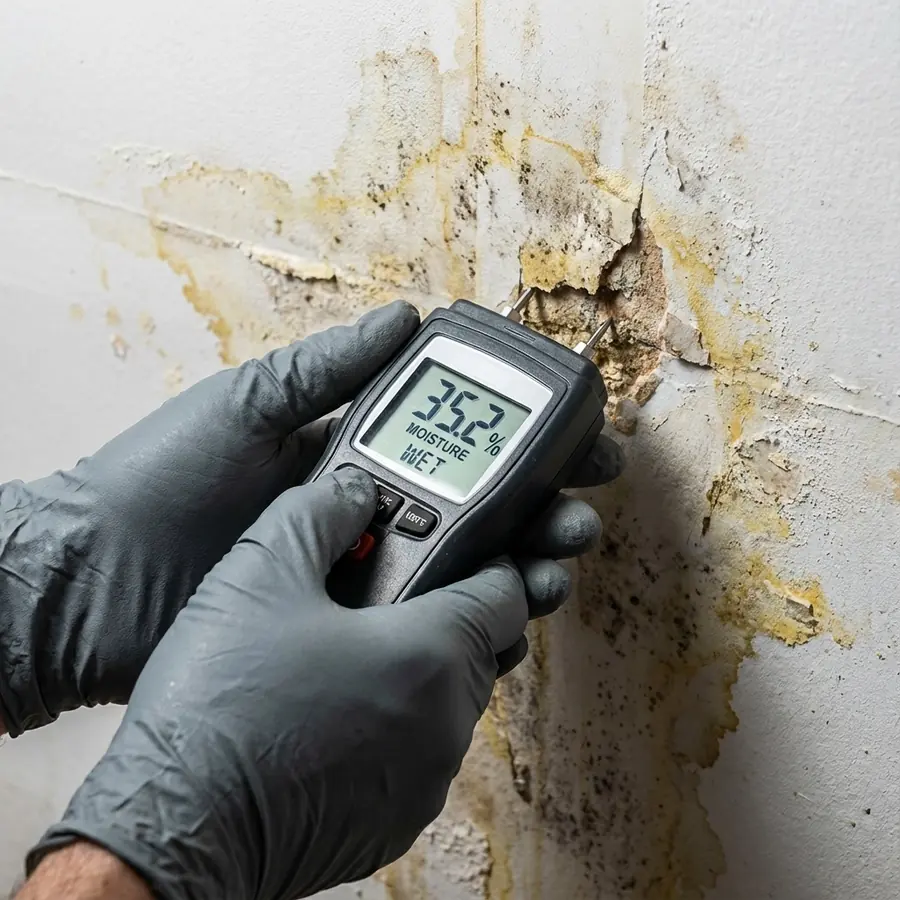
Older homes, older materials
Test Before You Tear: Lead and Asbestos in Albany's Old Homes
With about 42.6 percent of Albany homes built before the 1940s, per Point2Homes citing Census data, suspect material is not an edge case in Albany demolition. It is the default assumption, and the rule is simple: test before you tear.
The ABC Water Damage Restoration Albany page states the warning plainly: drywall joint compound, popcorn ceilings and some flooring in houses built before the 1980s can contain asbestos, and paint in homes built before 1978 may contain lead. A responsible contractor tests suspect materials before demolition and follows the required safe handling rules when results are positive. That warning lands differently in Albany than in a newer city. In Center Square, the Mansion District and Arbor Hill, the pre 1980 house is not the exception on the street. It is the street.
Water damage creates the pressure to skip testing, because every hour of delay is an hour of wet material. The answer is not to skip; it is to test fast and dry smart. Materials can be sampled quickly, drying can start on unaffected areas immediately, and demolition of suspect assemblies waits the short time the results take. The alternative, tearing out asbestos containing joint compound dry, without containment, converts a water claim into a contamination event with a far larger scope and a far worse conversation with the insurer.
Lead follows the same logic. Pre 1978 paint is common across Albany's housing stock, and demolition dust is the exposure route. RestoPros of Hudson Valley, serving the Capital Region, lists EPA Lead-Safe certification among its credentials, which is the credential to ask about when lead paint will be disturbed. Children in the home raise the stakes further, and in a city where about 52 percent of households rent, the question of who arranges testing in a rental belongs in the first landlord conversation, not the last.
Two short videos explain the testing mindset better than paragraphs do. Home RenoVision DIY's Water Damage? Do This BEFORE Mold Takes Over walks through what to do before growth takes hold, and Certified Restoration's Test Before You Tear makes the case for testing materials before demolition. Both are linked here as general guidance from their channels, watched and verified by this site on other pages; neither is an Albany job, and neither replaces the testing your own house needs.
Renters, landlords and shared walls
Renters and Landlords: Who Calls, Who Pays, Who Documents
About 52 percent of Albany households rent, per Water Damage Xpert citing American Community Survey 2020 to 2024 estimates, and in the ZIP codes of the city core the renter share runs to 74 and 75 percent. Water damage in Albany is therefore very often a two household problem, and this section is written for both sides of the lease.
If you rent
Your jobs are speed and evidence. Report the leak or flood to your landlord immediately, in writing where you can, because the time you reported it becomes a fact in every later conversation. Photograph and video your rooms and your belongings before anything is moved, and keep the record off the premises, in cloud storage or with a friend. Move what you can carry to dry ground and keep damaged items until they are documented. Your belongings are covered, if at all, by your own renters insurance, not by the landlord's building policy, so open that claim early too. And protect your health first: stay out of sewage affected rooms, and be plain with the landlord and the crew about children, breathing conditions and pets in the home.
If you own and rent out
Your jobs are response and documentation. The building systems, pipes, roof, drains, structure, are yours, and so is the drying of the building itself. Respond fast and be seen to respond: the landlord who dispatches a water damage restoration Albany crew the same day, and can prove it with the call log and the drying file, is in a different position from the landlord who waited out the weekend. Keep the tenant informed in writing, document conditions before and after, and remember that in a two family or three family rowhouse, your tenant's ceiling is another tenant's floor, and the job is the whole building's job whether the lease says so or not.
Shared plumbing, shared walls, shared claims
Albany's two and three family rowhouses run on shared systems: one stack serving stacked bathrooms, supply lines crossing between units, a single lateral under both halves of the building. When an upstairs bathroom overflows into the unit below, two households, two contents claims and one building claim can all open on the same loss. The restoration file serves all of them if it is built properly: source identified, path of the water mapped, readings per unit. The crews that work Albany rentals learn to document as if three adjusters will read the file, because often three will.
Condos and co-ops in Albany
Condo losses split along the association documents: the unit owner carries the interior, the association carries the common elements and the building shell, and the line between them decides whose policy dries the wall cavity. Get the declaration and bylaws into the conversation on day one, notify the association alongside your own insurer, and expect the building's access and work rules to shape the drying schedule. The water damage restoration Albany process does not change; the paperwork multiplies, and early notice to every party is what keeps a wet wall from becoming a governance dispute.
Hire with your eyes open
Choosing a Water Damage Company in Albany
Albany's market is fragmented: three SERVPRO franchises, strong local firms, national brands and referral pages that are not contractors at all. The RainMasters Albany page lists its own top four companies; directories rank by their own methods. This page will not crown a winner. It will give you the checks that separate a contractor from a call centre.
| Check | What good looks like | What to avoid |
|---|---|---|
| Identity | A real company, with a real service area, that performs the work itself | A referral page that routes your call to an unknown contractor; two of the top ranking Albany pages state plainly that they are referral services, not contractors |
| Drying verification | Moisture meters, a moisture map, daily readings against a dry standard, a drying log you can see | Drying by calendar, equipment pulled because it feels dry, no readings offered |
| Both halves of the job | Mitigation and rebuild under one point of contact, scheduled as one job | A drying only crew with no rebuild plan, leaving open walls and a second hiring process |
| Mold law | The Article 32 answer: licensed assessor and separate licensed remediator over 10 square feet | One company offering to assess and remediate the same mold job, which New York law forbids |
| Insurance file | Photos before cleanup, moisture maps, drying logs, line item estimates in the adjuster's format | A verbal scope and a single lump figure with no documentation habit |
| Older homes | Testing for lead and asbestos before demolition in pre 1980 construction | Demolition first in a pre-war rowhouse, questions later |
A word about the big names
SERVPRO fields three franchises around Albany: South Albany County, East Albany with East Greenbush, and Central Albany from Latham. Their pages are professional and their process is the national template, but the template is the point: the South Albany County page's own case study is a family kitchen in Coral Springs, Florida. KPM Restoration runs a real Albany office downtown and lists the city's neighbourhoods by name. Clifton Development Group wrote the most Albany specific contractor page in this market. The Dry Boys of Albany are water and mold specialists founded in 2021. A homeowner comparing water damage restoration Albany companies should weigh local specificity, the rebuild question and the documentation habit ahead of brand size, because the job is won in your basement, not in a national advertisement.
Questions that end the search
- How do you verify dryness, and can I see yesterday's readings?
- Who does the rebuild, and when is it scheduled?
- What does my adjuster receive, and when?
- If mold over 10 square feet is found, who assesses and who remediates?
- In my pre-war home, what gets tested before demolition?
- Who is my single point of contact from first call to final walkthrough?
The company that answers all six plainly, without reaching for a slogan, is the company this page's process describes. That standard, not a ranking, is what a water damage restoration Albany homeowner should buy.
Stop the next one
Prevention: The Albany Freeze and Thaw Calendar
Albany water damage runs on a calendar: freeze season, thaw season, storm season. The prevention work is cheap, seasonal and specific, and it is the difference between reading this page as research and reading it at 2 a.m. with wet feet.
Before the freeze: October and November
Insulate pipes in exterior walls, crawlspaces and attics, the runs that burst every January. Disconnect and drain outside hoses and shut the inside valves to outside faucets. Know where your main shutoff is, in most Albany homes the basement next to the meter, and turn it once to prove it moves. Service the heating system before the cold does, because a furnace failure in a January cold snap is a burst pipe event on a timer. Check the roof and attic before snow: the ice dam you prevent is built in the autumn, with insulation and ventilation, not in February with a hammer.
During deep cold
When temperatures head below zero, and Albany winters regularly send them there, per Clifton Development Group, keep the house heated evenly, open cabinet doors on exterior walls to let warm air reach the pipes, and let a vulnerable faucet drip slowly. If you travel in winter, the choices are a heated house with a water alarm and a neighbour with a key, or a drained system. An empty, unheated Albany house in January is a water damage restoration Albany appointment being made in advance.
Before the thaw: February and March
Test the sump pump by pouring water into the pit until the float lifts and the pump runs, and confirm the discharge actually leaves the house. Check the discharge line for ice blockage. Confirm battery backup is charged, or install one; the storm that brings the melt is the storm that takes the power. Move storage off the basement floor and out of cardboard. Clear snow away from the foundation where you can, and make sure downspouts carry roof water away from the house, because meltwater management is the whole game in March.
All year
Replace washing machine hoses on a schedule instead of on a failure, and fit a water alarm behind the washer, at the water heater and in the sump pit. Look under sinks twice a year. Photograph your basement and utility room as they are now, dry and ordinary; those photographs are the before pictures every water damage restoration Albany claim wishes it had.
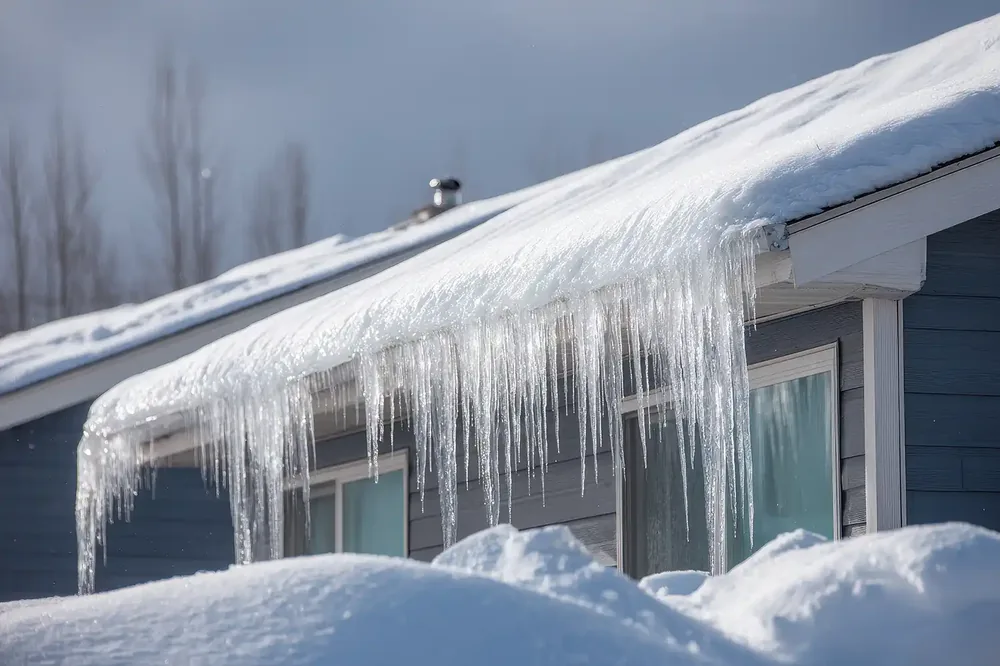
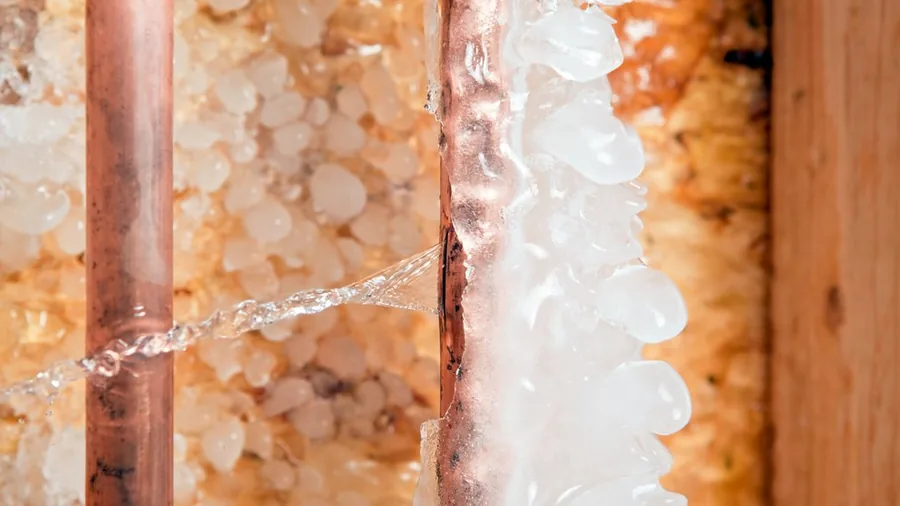
Businesses and landlords
Commercial Water Damage Restoration in Albany
Albany is a working capital: state government buildings, universities, hospitals, offices, retail and restaurants, per KPM Restoration's Albany page, and a commercial loss is measured in downtime as much as in drying days.
The commercial difference starts with occupancy. A wet office floor in a government building, a flooded retail stockroom, a university residence with students in the corridor: the job is to dry the building while the building keeps working, or to close the smallest possible part of it for the shortest possible time. That means after hours extraction, containment that seals the work zone from the occupied zone, negative air where the category of water demands it, and a drying schedule built around the tenant's day, not the crew's convenience.
Documentation multiplies too. Facilities managers, risk managers, insurers and, in multi tenant buildings, several tenants' insurers all read the same file. The moisture map, the daily logs and the line item estimate are written for that audience from the first morning. Commercial water damage restoration Albany work also meets the building's own rules: access windows, loading dock and elevator bookings, certificate of insurance requirements, and security escorts in government and hospital settings. None of that is difficult. All of it has to be arranged before the first dehumidifier rolls in, not discovered at the door.
Multi unit residential buildings are the commercial case Albany knows best. A riser or stack failure in an apartment building is a water damage restoration Albany job with a landlord, several households, the Article 32 mold rules waiting at the 10 square foot line, and a building wide interest in the drying log. The renter and landlord section of this page covers the household side; the commercial discipline covers the building side: one scope, one file, unit by unit readings, and communication that reaches every affected tenant in writing.
For businesses, the prevention conversation is also different. A water alarm on a commercial hot water system, a documented shutoff map that night staff can actually find, and a standing relationship with a restoration company before the loss: those three items decide whether a commercial flood is a bad weekend or a bad quarter. Call (518) 555-0147 (placeholder) to set up the conversation before you need it, which is the only time it is a calm one.
Putting it back
Home Restoration: The Rebuild Half of the Job
ABC Water Damage Restoration's Albany page makes the point this section is built on: there is a difference between drying out and putting it back together, and homeowners get stuck in the gap between the two.
The rebuild starts from a verified dry structure and a written scope. Drywall goes back with the texture matched to the room, orange peel, knockdown or smooth, because a patch you can see is a repair that announces itself every day. Flooring is replaced or refinished to match: salvageable hardwood sanded and refinished where drying saved it, new carpet, vinyl plank, laminate or tile where it did not. Cabinets are repaired at the base where toe kicks failed, or replaced where the boxes went. Painting runs over stain blocking primer wherever water marked the surface, so the stain stays in the past tense.
Timelines are honest ranges. A single wall and paint can close in a few days. A kitchen with new cabinets and flooring takes a few weeks, especially when materials must be ordered. Larger rebuilds in Albany can involve city permits, and schedules shift with material lead times and with how busy every contractor in the Capital Region is after a big storm, a caveat the ABC page states and this page repeats because it is true.
The failure mode to avoid is the handoff gap: the drying company declares the job done, removes its equipment, and the homeowner starts a second search, a second schedule and a second negotiation with the adjuster, with open walls the whole time. A complete water damage restoration Albany service carries the job from first extraction to final walkthrough under one point of contact, with the rebuild scope agreed while drying is still running, so the wall closes days after it verifies dry, not months.
The final walkthrough is a real step, not a courtesy. Walk every repaired room with the scope in hand. Check texture matches in daylight, floor transitions, cabinet alignment, paint lines. The job is finished when the room looks like the loss never happened and the file, maps, logs, photos, invoices, is complete enough to close the claim. Anything less is a job at 90 percent, and 90 percent is where disputes live.
Your belongings
Contents, Pack Out and Odor: Saving What the Water Touched
A water loss is an inventory event as much as a building event. What happens to your belongings in the first 48 hours decides how much of your home's contents survive it.
Everything starts with photographs, item by item where the value justifies it, room by room at minimum. Wet contents are triaged into three honest groups. Clean and dry fast: hard furniture, metal, glass, ceramics, and documents moved quickly, with soaked important papers frozen to stop mold until they can be dried properly, per WikiHow's basement drying guidance. Clean with effort: upholstered pieces and rugs that took clean water, salvageable if cleaning and drying start immediately. Document and dispose: porous items that absorbed Category 3 water, where cleaning is not a real option and pretending otherwise puts contaminated material back into a clean house.
Pack out is the logistics of the middle group and of everything in the way of the work: items cleaned, dried, boxed, inventoried and moved to secure storage while the structure dries and rebuilds, then returned against the same inventory. SERVPRO's Albany pages list contents packout and restoration with secure storage as a standard service, and the standard to hold any water damage restoration Albany company to is the inventory: if it was not photographed and listed going out, it will be argued about coming back.
Odor, treated as evidence
Post flood odor is information. A musty smell that fades as drying completes is the normal signature of a job ending. A smell that persists after verified dry readings means a source remains: a wet cavity, a forgotten pad, a drain that took sewage and was never treated. The correct responses are cleaning, source removal, sealing where a surface needs it, and deodorization with equipment such as hydroxyl generators, which The Dry Boys of Albany list among their disinfection tools. The incorrect response is fragrance over a damp wall. Insist that odor be chased to its source and metered, not masked.
Electronics, instruments and the irreplaceable
Electronics that sat in water are a safety question before they are a salvage question: do not power them, and let drying and inspection decide. Photographs, documents and family papers justify the freezer trick and, for volume, professional document drying. The honest sentence for this whole section is that contents outcomes are decided by hours: the same sofa is a cleaning job on day one and a disposal line on day five. That is the contents version of the rule that runs this entire page. Call early, photograph everything, and let the triage happen while triage can still change the ending.
Short answers, sourced
Quick Answers About Water Damage in Albany
Twelve questions Albany homeowners ask first, answered in the length a voice assistant would read aloud: one direct answer each, 40 to 60 words, with the detail carried in the sections above.
What is water damage restoration in Albany?
Water damage restoration Albany work is the process of extracting standing water, drying the structure with commercial dehumidifiers and air movers, treating mold risk, verifying dryness with moisture meters, and repairing the damage back to pre-loss condition, with every step documented for your insurer.
How fast does mold start after water damage?
Mold can begin growing within 24 to 48 hours on materials that stay wet, and it can show within 3 to 5 days in a wet Albany basement. That is why water damage restoration Albany extraction and drying start the same day the water is found, and why verified drying matters more than surface dryness.
How long does drying take in an Albany home?
Most clean water losses on a water damage restoration Albany job dry in 3 to 5 days with commercial equipment running around the clock and daily meter checks. Plaster, hardwood and stone in pre 1940 homes release moisture slowly and can take longer. Drying ends when readings meet the dry standard, not when surfaces feel dry.
Where is my main water shutoff?
In most Albany homes the main shutoff is in the basement, next to the water meter, per Water Damage Xpert. Turn it and the whole house supply stops. Find it on a dry day, turn it once to prove it moves, and show everyone in the house where it is.
Does insurance cover a burst pipe in Albany?
Usually yes. A burst or frozen pipe is a sudden and accidental loss, the kind homeowners policies are built for, and pipe bursts are the most common water loss in the Capital Region, per Clifton Development Group. Photograph the damage, keep the failed pipe section, and call your water damage restoration Albany crew the same day.
Does insurance cover Hudson River flooding?
No. Standard homeowners insurance in New York excludes flooding from outside water, including the Hudson River, the Normans Kill and groundwater. That cover comes only from a separate National Flood Insurance Program or private flood policy, and most new flood policies take 30 days to take effect.
What do I do when the sump pump fails?
Photograph the high water line and the failed pump before pumping, keep clear of water near electrics, and call for extraction the same day. Ask your insurer about a sump pump or water backup endorsement, because that endorsement is usually what pays. Then fit battery backup before the next melt.
Can I clean up a sewage backup myself?
No. Sewage and combined sewer backup water is Category 3, carrying bacteria that soak into porous materials and stay there. Drywall, insulation, carpet and padding that absorbed it must be removed, and the cleanup needs protective equipment, containment and disinfection. Keep children and pets out until the area is cleared.
When does New York mold law apply?
Article 32 of the New York Labor Law applies to mold projects over 10 square feet, statewide, since 1 January 2016. It requires a licensed mold assessor to write the remediation plan and a separate licensed remediation contractor to do the work. The same company cannot do both on one project.
How long does my insurer have to respond?
Under New York Regulation 64, your insurer must acknowledge your claim within 15 business days, begin investigating within 15 business days, and accept or deny within 15 business days after a completed proof of loss. After a declared natural disaster, an agreed settlement must be paid within 4 business days.
Should old Albany homes be tested before demolition?
Yes. Joint compound, popcorn ceilings and some flooring in homes built before the 1980s can contain asbestos, and paint from before 1978 may contain lead. With about 42.6 percent of Albany homes built before the 1940s, testing suspect material before demolition is the default, not the exception.
Who pays when a rental floods in Albany?
The landlord's policy covers the building and its systems; the tenant's renters insurance covers the tenant's belongings. About 52 percent of Albany households rent, so both claims often open on one loss. Tenants should report leaks immediately and photograph everything; landlords should document the response and the drying.
Homeowner questions
Frequently Asked Questions About Water Damage Restoration in Albany
Thirty questions, answered the way they are answered on the phone: directly, with the Albany and New York detail that changes the answer, and with no price figures, because no honest figure exists before a meter has been in your walls.
How much does water damage restoration cost in Albany, NY?
There is no honest figure before an inspection, which is why this page publishes none. The scope is set by what a moisture meter finds: one wet wall or three, clean water or sewage, drywall or plaster, and how much material can be dried in place instead of removed. Albany firms that publish ranges base them on exactly those variables. The route that protects you is a free inspection, a moisture map, and an exact written quote on site before any work begins, with everything documented for your insurer. Call (518) 555-0147 (placeholder) to start there.
How quickly can you respond to a water emergency in Albany?
Water damage restoration Albany dispatch runs 24 hours a day, every day, across the city and the Capital Region, and the first call matters as much as the drive. While a crew is on the road, a technician talks you through the shutoff, the power safety check and the first photographs, so the loss stops growing before anyone arrives. Standing water spreads through flooring and wall bases by the hour, and mold can begin within 24 to 48 hours, so the same day start is the standard this page works to. Call (518) 555-0147 (placeholder) and the clock starts on that call.
What should I do in the first 60 minutes after finding water damage in Albany?
Stop the water first if you can do it safely: in most Albany homes the main shutoff sits in the basement next to the meter. Keep clear of wet outlets, panels and standing water near anything electrical. Photograph and video every room before you move a single item, then call your insurer to open the claim and call a water damage restoration Albany crew inside the first hours. Move what you can carry to dry ground, keep damaged items for the adjuster, and stay out of any room where sewage has come up through a drain.
How long does water damage restoration take in Albany from start to finish?
The drying phase of a typical water damage restoration Albany job runs 3 to 5 days for a clean water loss in one or two rooms, and longer where plaster, hardwood or a finished basement holds moisture deep in the assembly. The rebuild phase depends on how much material had to come out: a single room can close out in a few weeks, while a kitchen with new cabinets and flooring takes longer, especially when materials must be ordered. Verified dry out readings come first, every time, because closing a wall over hidden moisture trades a short job for a mold problem months later.
How long does it take to dry out water damage in an Albany home?
Most Albany homes dry in 3 to 5 days with commercial dehumidifiers and air movers running around the clock, and a technician checking moisture readings every day. Older Albany construction changes the math: plaster and lath, solid hardwood and stone foundations release moisture slowly, so pre 1940 homes in Center Square, Pine Hills and the Mansion District often need extra days. Drying is finished when meter readings meet the dry standard for each material, not when the surface feels dry to a hand. Equipment comes out only after those readings hold.
How quickly does mold grow after water damage?
Mold can begin colonizing within 24 to 48 hours in warm, humid conditions, and it can show visibly within 3 to 5 days in a wet Albany basement or crawl space. That clock is why extraction and drying start the same day the water is found on every water damage restoration Albany job. Growth hides where homeowners cannot see it: inside wall cavities, under flooring and behind cabinets. Fast, verified drying is the prevention. If growth is already established over more than 10 square feet, New York law requires a licensed assessor and a separate licensed remediator, covered in the mold section of this page.
Does homeowners insurance cover water damage restoration in Albany?
Usually, when the loss is sudden and accidental: a burst pipe, a failed water heater, an appliance hose that lets go, an ice dam that forces water through the roof. Gradual leaks that ran for months are typically excluded, and flooding from outside water needs its own flood policy. Every policy differs, so the claim turns on your wording, your deductible and your documentation. Photograph everything before cleanup, keep damaged items until the adjuster documents them, and keep a written log of when the loss was found and what was done. The insurance sections of this page walk through the New York clocks that govern your claim.
Does homeowners insurance cover flooding from the Hudson River or the Normans Kill?
No. Standard homeowners insurance in New York does not cover flooding from external sources: river water, groundwater, storm overflow and spring melt rising into a basement all sit on the flood side of the line. That coverage comes from a separate flood policy through the National Flood Insurance Program (NFIP) or a private flood carrier. Most new NFIP policies take 30 days to take effect, and the program is authorized only through 11 December 2026, so a policy bought today starts after that deadline. The NFIP section of this page explains the timing in full, with sources.
What is the difference between water mitigation and water damage restoration?
Mitigation is the emergency half: stop the source, extract standing water, remove what cannot be saved, set drying equipment and stabilize the building so the loss stops growing. Restoration is everything after: the verified dry out, the cleaning and sanitizing, and the rebuild that puts walls, floors, cabinets and paint back to pre-loss condition. Homeowners get stuck when the drying company packs up its fans and nobody is scheduled to fix the open walls. A complete water damage restoration Albany job carries both halves under one point of contact, from the first extraction to the final walkthrough.
What does water damage restoration include in Albany?
A complete water damage restoration Albany service includes emergency water extraction, moisture mapping with meters and thermal imaging, structural drying with commercial dehumidifiers and air movers, daily moisture readings and drying logs, removal of material that cannot be dried, cleaning and antimicrobial treatment matched to the water category, contents pack out and cleaning where needed, mold prevention, and the rebuild: drywall, flooring, trim, cabinets and paint. It also includes the paperwork: photo reports, moisture maps and a line item estimate in the format adjusters use. Anything less is a partial job, and the gaps usually surface as mold or a disputed claim.
Can wet floors, cabinets and drywall be saved after water damage in Albany?
Often, yes, when drying starts quickly and the water was clean. Hardwood that cups can recover if it is dried slowly and the subfloor is addressed, while engineered flooring and laminate frequently delaminate and have to go. Drywall that took clean water briefly can sometimes dry in place; drywall soaked by sewage cannot. Cabinet toe kicks swell and delaminate quietly, so they are metered, not guessed at. Plaster in older Albany homes dries slower than drywall but often survives. The honest answer comes from meter readings taken material by material, which is how every water damage restoration Albany inspection on this page is run.
Is it safe to stay in a flooded home?
It depends on the water and the systems it reached. Clean water in one room, with power safely off to that area, is usually manageable while drying runs. Sewage, floodwater from outside, or water that reached outlets, panels or a furnace changes the answer: those are stay out situations until a professional clears them. Children, older adults and anyone with breathing problems should be kept away from wet areas regardless, because mold begins within 24 to 48 hours. When in doubt, ask the water damage restoration Albany crew on the phone before you re-enter a wet room, and never walk through standing water near live electrics.
How do you restore water damage in a pre 1940 Albany rowhouse?
Slowly, and by the meter. About 42.6 percent of Albany homes were built before the 1940s, per Point2Homes citing Census data, and rowhouses in Center Square, Pine Hills and the Mansion District share walls and plumbing with the neighbours on both sides. Plaster dries slower than drywall but often does not need to come out. Cast iron drains and clay or Orangeburg laterals are part of the diagnosis, not an afterthought. Suspect materials are tested for lead and asbestos before any demolition. Drying is verified cavity by cavity, because a shared wall can hold moisture that belongs to two homes at once.
My pipe burst in an Albany winter. What happens next?
Shut the main off, usually in the basement next to the meter, and keep clear of wet electrics. A burst pipe is the most common water loss in the Capital Region, per Clifton Development Group, and Albany winters regularly send temperatures below 0 degrees Fahrenheit, per the same source. The crew extracts, opens the wall only where meters say water travelled, and dries the cavity before any repair. Sudden and accidental pipe bursts are the losses homeowners policies most often cover. Photograph the split pipe and the damage before anything is discarded, and keep the failed section of pipe for the adjuster.
What causes ice dams in Albany, and is the ceiling damage covered?
Heat escaping through a poorly insulated, poorly ventilated attic melts snow on the upper roof; the meltwater runs down to the cold eave, refreezes, and builds a dam that forces water under the shingles and into ceilings and walls. The ceiling stain you see is often only 10 to 20 percent of the actual saturation area, per Clifton Development Group. Ice dam leaks are sudden events, so the interior damage is commonly claimed, though the dam removal itself is usually a maintenance cost. The lasting fix is attic insulation and ventilation, covered in the winter section of this page.
My sump pump failed during spring melt in Albany. What should I do?
Treat it as a race against the water table. Spring snowmelt combined with rain raises groundwater fast across Albany, and a failed pump or a power outage can put inches of water into a basement in hours. If the water is clean groundwater and power is safe, extraction can start right away; if drains backed up with it, treat the water as contaminated. Photograph the high water line before pumping, keep the failed pump for the adjuster, and ask whether your policy carries a sump pump or water backup endorsement, because that endorsement is usually what pays for this loss. Battery backup is the upgrade that prevents the repeat.
Is floodwater or sewage backup safe to clean up myself in Albany?
No. Floodwater from storms, rivers and sewer backups is Category 3 water: it carries bacteria and contaminants that soak into porous materials and stay there. Albany's combined sewer system, serving much of the urban core, can push that water up through floor drains and toilets during intense rain, per local restoration pages describing the system. Porous materials that absorbed Category 3 water, drywall, insulation, carpet and padding, must come out, and the work needs protective equipment, containment and proper disinfection. Small clean water spills are a homeowner job. Anything that came up through a drain is not.
What materials must be removed after flood damage in Albany?
After Category 3 flood or sewage water, porous materials that absorbed the water must be removed: drywall and insulation up to above the water line, carpet and carpet padding, and particleboard or manufactured wood cabinetry that has swollen or delaminated. Concrete block, poured concrete and solid lumber framing can often be cleaned, treated with antimicrobial products and dried in place. Hardwood may be salvageable if extraction begins within the first 24 to 48 hours. Clean water losses remove far less, which is one more reason the water category is identified before any demolition starts on a water damage restoration Albany job.
Who is responsible for water damage in an Albany rental, the tenant or the landlord?
About 52 percent of Albany households rent, per Water Damage Xpert citing American Community Survey 2020 to 2024 estimates, so this question decides many Albany jobs. The landlord owns the building systems: pipes, roof, drains and the structure itself, and building repairs after a plumbing failure normally sit with the owner. The tenant owns their belongings, and renters insurance is what covers those. Tenants should report leaks immediately, photograph everything, and keep a written record of when they reported it. Landlords should document the response and the drying. In two family and three family rowhouses with shared plumbing, one unit's leak is often the whole building's job.
Do I need a licensed mold assessor and a separate remediator in New York?
Yes, for any mold project over 10 square feet. Article 32 of the New York Labor Law, in force statewide since 1 January 2016, licenses mold assessors and mold remediation contractors separately, and the same licensee may not assess and remediate the same project. The assessor inspects and writes the remediation plan; the remediator writes a work plan that meets it and cannot start without that assessment, even if the owner offers to waive it. Owners may work on their own property without a licence. Licences run two years and can be checked with the New York State Department of Labor. The mold section of this page explains how the split protects you.
How long does an insurer have to respond to a claim in New York?
New York Regulation 64, 11 NYCRR Part 216, sets the clocks. An insurer must acknowledge your claim within 15 business days of notification, begin its investigation within 15 business days, and accept or deny within 15 business days after receiving a properly executed proof of loss and everything it requested. If it needs more time, it must explain in writing and keep updating you while the claim stays open. After a declared natural disaster, Insurance Law section 2618 sets a 4 business day pay clock on an agreed settlement. The suit limit on the standard policy is 24 months, per Insurance Law section 3404, so check your own policy wording.
What is the NFIP 30 day wait, and what is the 11 December 2026 deadline?
The National Flood Insurance Program (NFIP) is the federal flood insurance program run by the Federal Emergency Management Agency (FEMA). Most new NFIP policies take effect at 12:01 a.m. on the 30th calendar day after application, under federal regulation 44 CFR 61.11(d), with narrow exceptions such as loan closings. Separately, the program itself is authorized only through 11:59 p.m. on 11 December 2026, per the extension signed 2 September 2026. Existing policies stay in force to their own term; 11 December is an authorization deadline, not a policy expiry date. A policy bought today starts after that deadline because of the 30 day wait.
What questions should I ask an Albany restoration company before hiring?
Ask who performs the work and who supervises it. Ask how dryness is verified, and expect an answer built on moisture meters and daily readings, not on touch. Ask whether the rebuild is handled by the same company or handed off. Ask how the job is documented for your insurer, and whether estimates are written in the line item format adjusters use. Ask how they handle mold if it is found, and expect the Article 32 answer: a licensed assessor and a separate licensed remediator. Ask what happens with your contents. A water damage restoration Albany company that answers all of those plainly is the kind this page describes how to choose.
Do you handle both water extraction and reconstruction in Albany?
Yes, and that continuity is the point. The emergency half, extraction, drying and verified dry out, decides how much of the home survives. The rebuild half, drywall, flooring, cabinets, trim and paint, decides how the home looks and feels afterwards. When two companies split those halves, the handoff is where Albany homeowners lose weeks and where scopes get disputed. One point of contact from the first call to the final walkthrough keeps the drying log, the insurance file and the rebuild schedule in the same hands. Ask any water damage restoration Albany company you call whether one crew owns both halves of your job.
Do you handle basement flooding in Albany?
Yes. Basement flooding is the signature Albany loss: sump pump failure in spring melt, foundation seepage, storm drain backup and combined sewer surcharge all end in the same place. The work starts with identifying which water it is, because clean groundwater, storm water and sewage each get a different cleanup standard. Extraction, removal of what cannot be saved, structural drying of walls, floors and contents, and a verified dry out follow. The basement section of this page covers Albany's high water table, clay heavy soils and the Hudson River, Normans Kill and Patroon Creek low ground that floods first.
Do you work on commercial properties in Albany?
Yes. Albany is the state capital, and its commercial stock, offices, state government buildings, universities, hospitals, retail and restaurants, cannot sit wet while a claim is argued. Commercial water damage restoration Albany work runs on documentation and downtime: after hours extraction, containment that keeps unaffected areas open, daily drying logs for the insurer and the facilities team, and a rebuild schedule built around operating hours. Multi unit residential buildings add the Article 32 mold rules and shared plumbing complications covered elsewhere on this page. Call (518) 555-0147 (placeholder) and describe the building; the first questions will be about access, power and who needs the paperwork.
How do I clean up water damage in a home, in the safe order?
Safety first: no walking through standing water near outlets or panels, and no contact with sewage water without protective equipment. Stop the source and shut off the main if the loss is plumbing. Photograph everything before moving it. Remove standing water with a wet vac or pump if the amount is small and the water is clean, and move belongings to dry ground. Then stop and call a professional for anything beyond a small clean spill: household fans cannot dry wall cavities, and surface dry is not structural dry. WikiHow's basement drying guidance makes the same point about speed: dry within 48 hours, because mold follows moisture that stays.
What areas around Albany do you serve?
Water damage restoration Albany coverage runs across the city neighbourhoods, Downtown, Center Square, Pine Hills, the Mansion District, Arbor Hill, the South End, Helderberg and Washington Park, and across the Capital Region towns named on this page: Colonie, Guilderland, Bethlehem and Delmar, Slingerlands, Latham, Loudonville, Watervliet, Menands, Cohoes, Rensselaer, East Greenbush and Troy, with Schenectady served as part of the wider Capital Region. The areas section of this page maps the water risk neighbourhood by neighbourhood and ZIP by ZIP, from 12202 through 12211 and beyond, so you can see the risks on your own street before you ever need to call.
Should I test for lead and asbestos before demolition in an older Albany home?
Yes. Drywall joint compound, popcorn ceilings and some flooring in homes built before the 1980s can contain asbestos, and paint in homes built before 1978 may contain lead, per the ABC Water Damage Restoration Albany page. With about 42.6 percent of Albany homes built before the 1940s, per Point2Homes citing Census data, suspect material is the norm here, not the exception. A responsible contractor tests before demolition and follows the required safe handling rules when results are positive. Testing takes little time; disturbing asbestos or lead paint without it creates a second, worse problem inside the first one.
How do restoration companies help with insurance claims in Albany?
By producing the file an adjuster can approve: dated photographs from before cleanup, a moisture map showing exactly what is wet, daily drying logs with meter readings, a record of every material removed and why, and a line item estimate in Xactimate, the estimating software most adjusters use, per the KPM Restoration Albany page. The company also meets the adjuster on site, answers scope questions with readings instead of opinions, and keeps the New York clocks in view: Regulation 64 response deadlines, the Insurance Law 2618 pay clock after a disaster, and the 24 month suit limit. Good documentation is not paperwork for its own sake; it is what gets a claim paid in full.
Words and sources
Glossary
- Mitigation: the emergency half of the job: stop the source, extract, remove what cannot be saved, dry and stabilize.
- Dry standard: the moisture reading of the same material in an unaffected part of the house, used as the water damage restoration Albany drying target.
- Category 1, 2, 3: the IICRC water categories, from clean supply water to grossly contaminated sewage and floodwater.
- Class 1 to 4: the IICRC drying classes, set by how much material is wet and how deep the water sits in it.
- Combined sewer: a system carrying storm water and sanitary sewage in the same pipes, serving much of Albany's urban core.
- Building lateral: the owner's sewer pipe from the house to the street main.
- Backwater valve: a one way valve on the building drain that refuses street water back into the house.
- Article 32: the New York Labor Law article licensing mold assessors and remediators separately, in force since 1 January 2016.
- Regulation 64: New York's claims handling regulation, 11 NYCRR Part 216, setting the 15 business day insurer clocks.
- NFIP: the National Flood Insurance Program, the federal flood insurance program run by FEMA.
Sources
Facts on this page are stated with their sources in the sentence or table where they appear. The principal sources read on 19 November 2026: the National Weather Service account of Hurricane Irene, 28 August 2011; Wikipedia, Albany, New York; Point2Homes Albany demographics and Water Damage Xpert, both citing United States Census Bureau and American Community Survey data; FEMA OpenFEMA claim and disaster figures as cited by Water Damage Xpert, retrieved 14 November 2026; New York Regulation 64 (11 NYCRR Part 216) text and summaries; Insurance Law sections 2618 and 3404 summaries; New York State Department of Labor Mold Program summaries for Labor Law Article 32; federal regulation 44 CFR 61.11(d) for the NFIP waiting period; and the Albany pages of Clifton Development Group, KPM Restoration, SERVPRO of South Albany County, SERVPRO of East Albany and East Greenbush, RestoPros of Hudson Valley, PuroClean of North Albany, The Dry Boys of Albany, The RainMasters, Largo and ABC Water Damage Restoration, read in full for competitor coverage and local practice.
Live Google results, People Also Ask boxes and AI engine answers for this keyword could not be verified at the time this page was written, so nothing on this page claims a live search ranking or a live local pack position. Figures from directories and competitor pages are labelled with their source wherever they appear, and the business details for this site remain placeholders, as the trust section states.
Emergency contact
Water in Your Albany Home Right Now?
Call the 24/7 water damage restoration Albany line and a technician will walk you through the first moves while a crew is dispatched: what to shut off, what to move, what to photograph. The inspection is free, the quote is written and on site, and the drying log starts today.
(518) 555-0147 (placeholder)
Water damage restoration Albany dispatch is open 24 hours, 7 days, across Albany and the Capital Region: Colonie, Guilderland, Bethlehem, Delmar, Latham, Loudonville, Watervliet, Cohoes, Rensselaer, East Greenbush and Troy. If the water is still rising and anyone could be near live electrics in standing water, keep clear of the area and call from a dry, safe place.